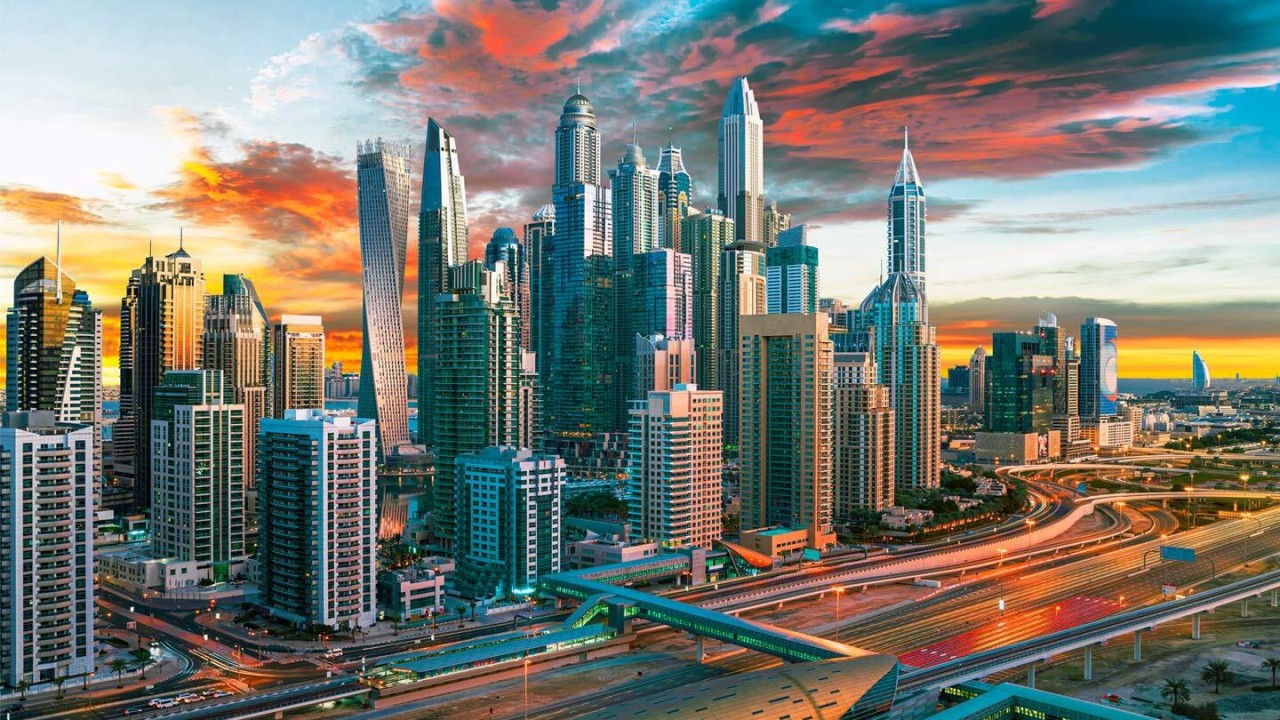
In today’s rapidly changing world, the conversation around sustainability and green building demand has never been more urgent. As families seek safety and quality of life in global cities, they are increasingly drawn to sustainable living options. This article explores how digital safety concerns are reshaping family relocations, particularly in the context of sustainability and green building practices.
The migration of families towards urban areas is influenced by a variety of factors. Digital safety concerns, including data privacy and cybersecurity, play a significant role. Families want to ensure not only their physical safety but also the security of their digital lives. As they move, they increasingly prioritize locations that offer not just safety but also sustainability.
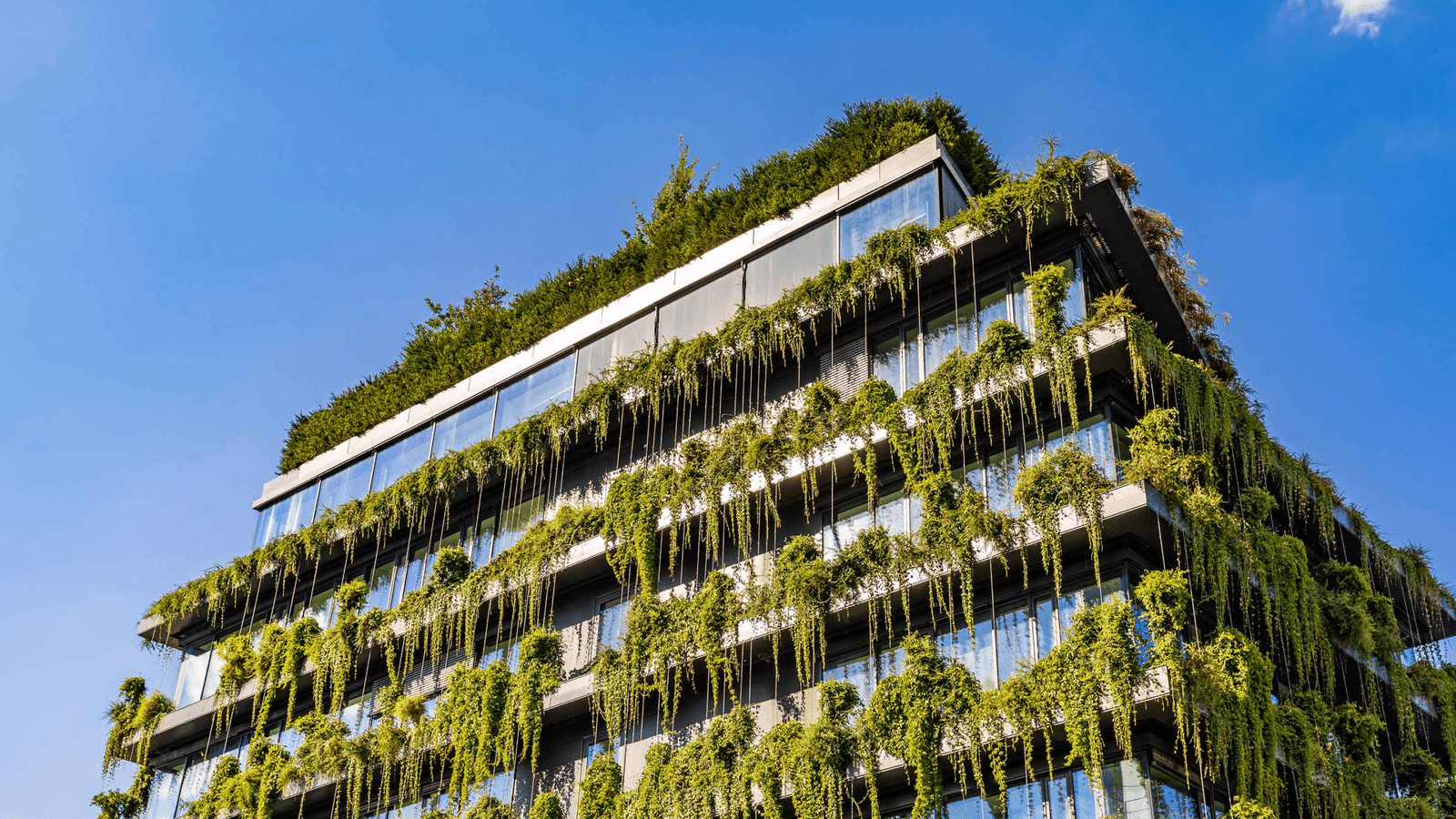
Families are looking for urban environments that incorporate green building practices. These structures often feature energy-efficient designs, sustainable materials, and innovative waste management systems. The rising demand for such buildings is a response to a collective desire for healthier living spaces that also contribute to environmental well-being.
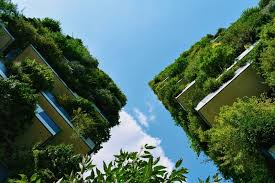
The relationship between sustainability and green building demand and digital safety is intricate. Families are not only concerned about physical safety; they are also aware of the digital footprint they leave behind. With the rise of smart homes equipped with interconnected devices, the security of these systems becomes paramount.
Green buildings often integrate advanced technologies that promote energy efficiency while ensuring robust cybersecurity measures. This fusion of sustainability and digital safety is appealing to families who wish to live in modern, eco-friendly homes that also protect their privacy and data.
Urban planners are responding to the dual demands for sustainability and digital safety. Cities are beginning to prioritize green building certifications and eco-friendly designs, ensuring that new developments meet stringent environmental standards. These initiatives not only enhance the aesthetic appeal of urban areas but also contribute to the overall quality of life.
Moreover, cities are integrating smart technologies into their infrastructure. This includes everything from energy-efficient lighting to advanced waste management systems. By investing in these technologies, urban planners are creating safer environments that align with the growing sustainability and green building demand.
Community plays a crucial role in promoting sustainability. Families moving to urban areas are often attracted by neighborhoods that foster a sense of belonging and shared values. These communities encourage sustainable practices, such as community gardens, recycling programs, and local farmer’s markets.
As families engage with their surroundings, they contribute to the demand for greener buildings and practices. This collective effort not only enhances the quality of life but also amplifies the call for sustainable urban development. Community involvement can drive change, making it a vital component of both digital safety and sustainability.
Choosing green buildings is not only an ethical decision but also a financially sound one. Sustainable buildings often come with lower utility costs due to their energy-efficient designs. Over time, these savings can significantly ease the financial burden on families relocating to urban areas.
Additionally, cities that prioritize sustainability tend to experience increased property values. As demand rises for eco-friendly homes, families are more likely to see a return on their investment. This economic incentive further fuels the interest in sustainability and green building demand among families looking for safe urban havens.
Despite the growing interest in sustainable urban living, challenges remain. The cost of green building materials and technologies can be prohibitive. Additionally, there may be resistance to change from established practices in construction and urban planning.
However, these challenges present opportunities for innovation. As technology evolves, so too does the potential for more affordable and accessible green building solutions. Collaboration between governments, businesses, and communities can foster an environment where sustainability thrives, ultimately benefiting families seeking safe and eco-friendly living spaces.
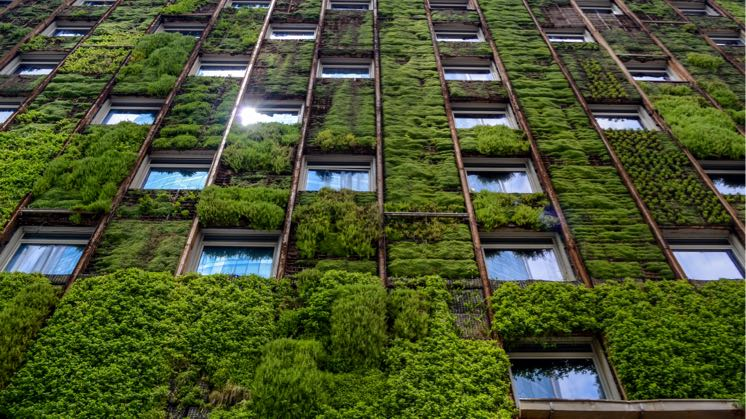
As families continue to navigate the complexities of relocation, the emphasis on both digital safety and sustainable living will only grow stronger. The demand for green buildings will likely rise as communities adapt to changing needs and preferences.
Families are increasingly becoming advocates for sustainability, driving demand for greener practices and technologies. This shift will shape the future of urban living, guiding cities toward more sustainable and secure environments.
In summary, the intersection of sustainability and green building demand with digital safety concerns is reshaping family relocations to global cities. As families prioritize safe, eco-friendly living spaces, urban areas must respond by embracing sustainable practices that not only protect the environment but also enhance the quality of life.
The journey towards greener urban living is not just a trend; it’s a necessary evolution that promises to create healthier, safer, and more vibrant communities for future generations.
Do Follow Estate Magazine on Instagram
Read More:- Wellness‑Centric Housing Features Transform Family Living with Exceptional Comfort