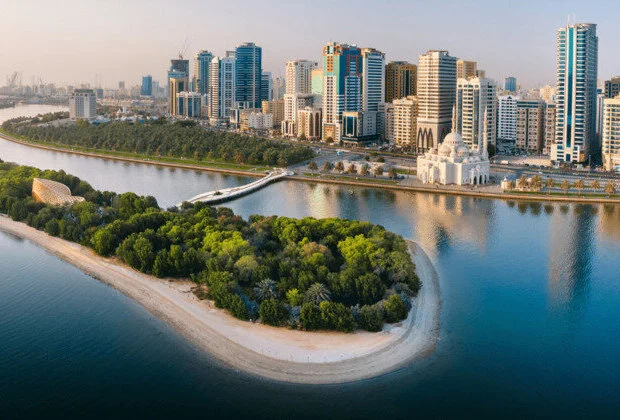
Abu Dhabi, the capital of the UAE, has long been recognized for its forward-thinking approach to urban development. With rapid urbanization, rising energy demands, and the need for environmental responsibility, the city embarked on an ambitious mission: transforming itself into a sustainable smart city. This vision combines cutting-edge technology with sustainable practices, aiming to enhance quality of life, reduce environmental impact, and build a future-ready urban ecosystem.
The concept of a smart city is not just about technological innovation; it’s about creating a living environment where people, infrastructure, and nature coexist harmoniously. Abu Dhabi’s smart city initiatives focus on energy efficiency, intelligent transport systems, eco-friendly buildings, and digital governance, all designed to make everyday life seamless and environmentally responsible.
Technology is at the heart of Abu Dhabi’s smart city ambitions. From artificial intelligence to the Internet of Things (IoT), the city leverages advanced digital tools to improve infrastructure, optimize resources, and enhance urban services.
Smart grids, for example, ensure electricity is distributed efficiently while minimizing wastage. IoT-enabled sensors monitor water usage, traffic patterns, and waste management, allowing city planners to respond quickly to changing conditions. Even street lighting is being transformed, with energy-efficient LED lights equipped with motion sensors to reduce unnecessary energy consumption.
But technology is not just about convenience. It is also a powerful tool for sustainability. Data-driven insights allow authorities to predict energy demand, reduce carbon emissions, and ensure resources are allocated efficiently. Abu Dhabi’s smart city model demonstrates that technology, when combined with a clear sustainability agenda, can create a resilient and future-ready urban environment.

Abu Dhabi’s commitment to sustainability is evident in its urban planning and architecture. Green buildings, designed with energy efficiency and minimal environmental impact in mind, are becoming the norm rather than the exception.
These buildings incorporate renewable energy sources such as solar panels, energy-efficient HVAC systems, and sustainable construction materials. Additionally, smart building management systems allow real-time monitoring of energy and water consumption, helping residents and businesses reduce waste.
Urban planning also plays a crucial role. Abu Dhabi prioritizes public spaces, green belts, and walkable neighborhoods. Parks, tree-lined streets, and community gardens not only improve air quality but also enhance the city’s aesthetic and livability. The integration of green spaces within urban development ensures that Abu Dhabi remains a city that balances modernity with nature.
Transportation is a major contributor to carbon emissions worldwide. Abu Dhabi recognizes this challenge and is actively pursuing smart mobility solutions to reduce its environmental footprint.
Electric buses, ride-sharing platforms, and autonomous vehicles are part of the city’s sustainable transport strategy. Public transport is being integrated with real-time tracking apps, making it easier for residents to choose eco-friendly travel options. Smart traffic management systems help reduce congestion, shorten commute times, and minimize vehicle emissions.
By prioritizing public transport and encouraging the use of electric and autonomous vehicles, Abu Dhabi is not only reducing pollution but also promoting a culture of sustainability among its residents.
One of the most significant aspects of Abu Dhabi’s sustainable smart city plan is its focus on renewable energy. The city is investing heavily in solar and clean energy projects to reduce reliance on fossil fuels.
Massive solar parks harness the abundant sunlight, powering homes, offices, and public facilities. These initiatives are complemented by energy storage solutions that ensure a stable and reliable power supply. Moreover, policies promoting energy efficiency in industries and households further support the city’s goal of reducing carbon emissions.
Environmental responsibility is also a social endeavor in Abu Dhabi. Educational campaigns and community programs encourage residents to embrace sustainable practices, from recycling to energy conservation. This collective effort ensures that sustainability is not just a government initiative but a shared commitment across society.
Abu Dhabi’s smart city transformation relies heavily on digital governance. By integrating technology into public services, the city ensures efficiency, transparency, and citizen participation.
Residents can access municipal services through online platforms and apps, from paying bills to reporting issues in real time. Feedback systems allow authorities to respond promptly, ensuring that urban services are aligned with community needs.
Citizen engagement is also key to driving sustainability. Smart city platforms encourage residents to monitor their energy and water usage, participate in recycling initiatives, and adopt eco-friendly habits. This combination of technology and active public participation fosters a sense of ownership and responsibility toward building a sustainable city.
Abu Dhabi’s journey toward becoming a sustainable smart city is inspiring cities worldwide. By integrating technology, sustainability, and citizen engagement, it showcases how modern urban centers can thrive without compromising environmental responsibility.
The city’s success demonstrates that building a sustainable future requires vision, collaboration, and a willingness to adopt innovative solutions. Abu Dhabi is proving that smart cities are not just a technological concept but a practical approach to creating livable, resilient, and eco-conscious urban environments.
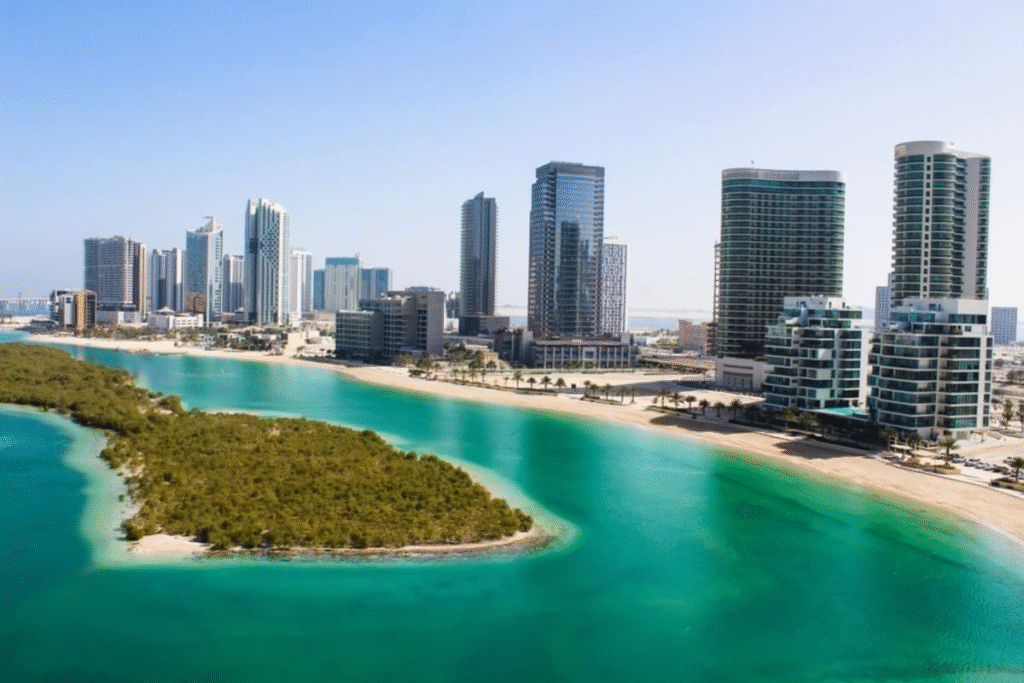
While Abu Dhabi has made remarkable progress, challenges remain. Rapid population growth, climate change, and resource management are ongoing concerns. Ensuring that technology remains accessible and inclusive is also crucial.
However, the city’s proactive planning, investment in renewable energy, and commitment to citizen-centric governance provide a strong foundation for addressing these challenges. With continuous innovation and public participation, Abu Dhabi is poised to not only achieve its smart city goals but also set new global standards for sustainable urban living.
Abu Dhabi’s transformation into a sustainable smart city is a testament to what visionary planning, technology, and community engagement can achieve. By prioritizing renewable energy, intelligent infrastructure, smart mobility, and citizen participation, the city is creating a future where sustainability and modernity go hand in hand.
As the world faces increasing urbanization and environmental pressures, Abu Dhabi stands as a shining example of how cities can evolve intelligently, responsibly, and sustainably. Its journey is not just about becoming a smart city it is about making a sustainable reality that benefits both people and the planet.
Do Follow Estate Magazine on Instagram
Read More:- Sharjah and Ajman Real Estate Surges with Record Value Demand 2026