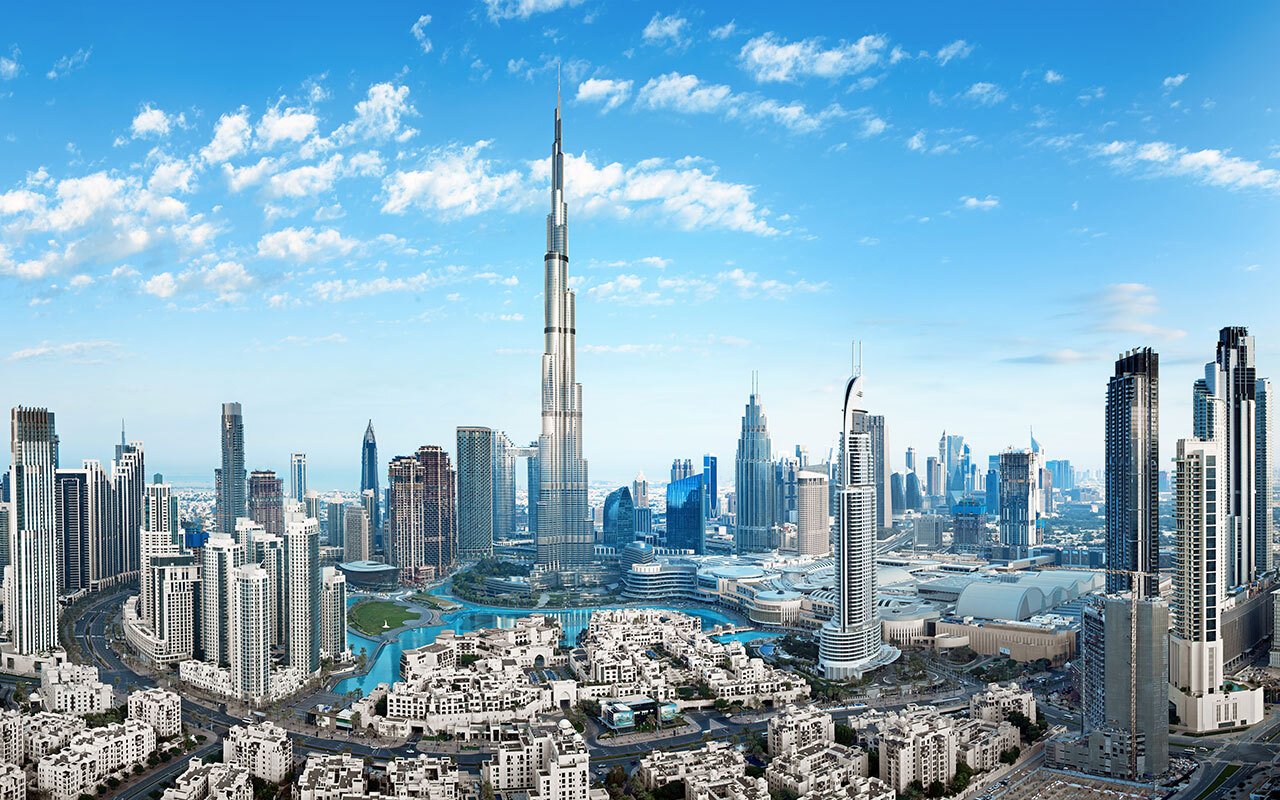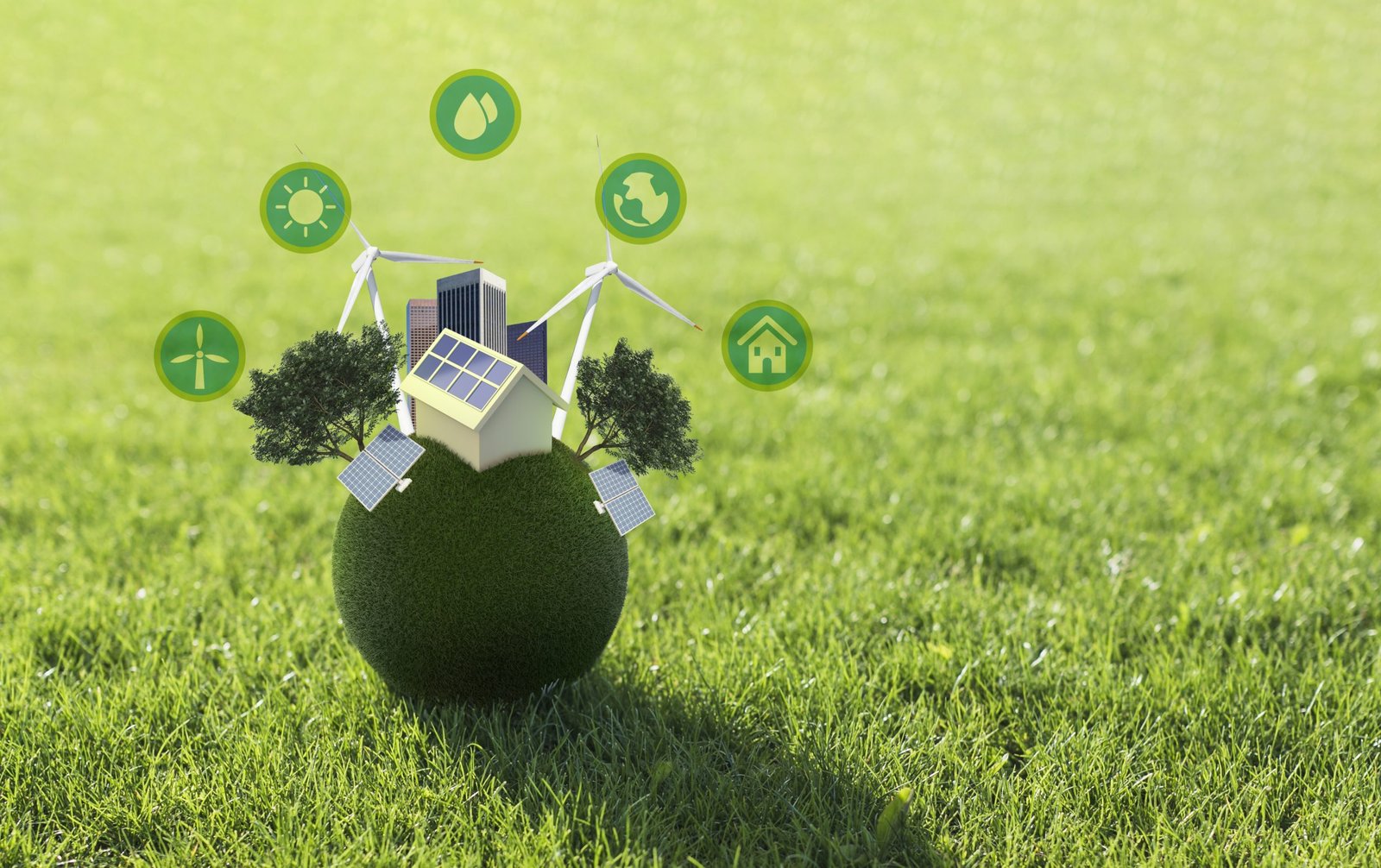
The UAE has entered a defining era in which sustainability is no longer a niche concept but a driving force behind modern living. From Dubai’s energy-saving villas to Abu Dhabi’s pioneering eco-communities, environmentally responsible homes are shaping the future of residential development. This shift is not just a trend. It reflects a deep cultural transformation where comfort, innovation and environmental responsibility coexist beautifully.
Eco-friendly homes are becoming a preferred choice for families, investors and developers who want long-term value and a healthier lifestyle. This guide explores how sustainable homes work, what features truly matter, and why the UAE is quickly becoming a global leader in green residential design.
One of the most essential pillars of a sustainable home is energy efficiency. In the UAE’s climate, cooling systems are vital, and reducing their energy consumption can significantly cut household costs and environmental impact. Homes designed with optimized insulation, smart thermostats and advanced ventilation systems maintain indoor comfort while lowering energy use.
Solar energy has also become a powerful addition to modern villas and townhouses. Rooftop solar panels, battery storage systems and solar water heaters help homeowners reduce their dependence on traditional power sources. Many new communities are integrating solar-ready structures, allowing residents to easily adopt renewable energy solutions.
The materials used in a home have a long-term effect on energy performance and indoor wellbeing. UAE developers are increasingly using recycled steel, eco-friendly concrete, organic insulation, and locally sourced materials to reduce carbon emissions.
Homes built with sustainable materials offer stronger durability and better temperature stability. They make indoor living healthier by reducing pollutants and improving air quality.
Technology plays a major role in making a home eco-friendly. Smart lighting systems, intelligent AC controls, automated blinds and water-saving devices create an environment that adapts to the lifestyle of residents.
These technologies monitor consumption in real time, helping homeowners make informed adjustments. In many communities, AI-driven energy dashboards provide daily insights on water and electricity usage, encouraging more mindful living.
Water is one of the UAE’s most precious resources, and homes designed with conservation in mind use advanced fixtures to reduce wastage. Low-flow taps, dual-flush toilets and efficient shower systems help maintain comfort while significantly lowering consumption.
Greywater recycling systems treat water from sinks and showers so it can be reused for irrigation or flushing. This reduces pressure on municipal water supplies and promotes sustainable gardening. Some green communities also integrate rainwater harvesting as an additional resource to maintain landscaped areas.
Sustainable homes increasingly use native plants and desert-friendly greenery that require minimal irrigation. These landscapes thrive naturally in the region’s climate and reduce the need for daily watering. It also creates a more authentic, eco-responsive outdoor environment.
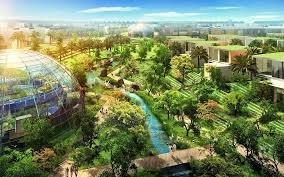
The UAE’s traditional architectural heritage offers valuable lessons in sustainability. Features like wind towers, deep balconies and carefully positioned windows improve airflow and reduce the need for artificial cooling. Developers are now blending these traditional ideas with modern design to create high-efficiency homes.
Eco-friendly homes are thoughtfully positioned to capture daylight without overheating indoor spaces. Skylights, light-reflective paints and well-placed windows help reduce artificial lighting needs while keeping rooms cooler. This design approach enhances comfort and reduces energy bills.
Green roofs are gaining popularity as they offer natural insulation and reduce heat absorption. Similarly, advanced wall insulation keeps indoor temperatures stable and minimizes reliance on cooling systems. These features contribute to long-term savings and improved energy ratings.
Eco-friendly homes prioritize air quality, ensuring that residents breathe cleaner indoor air. Smart HVAC systems filter dust, toxins and allergens, creating healthier spaces—especially important in dusty desert climates. Low-VOC paints, natural flooring and non-toxic adhesives are increasingly used in new properties.
Wood, bamboo and organic fabrics contribute to a warm, natural interior atmosphere while maintaining sustainability standards. These materials are safer, more durable and create soothing environments that support emotional and physical wellbeing.
Modern sustainable developments are designed for walkability. They feature shaded pathways, bicycle lanes, community gardens and easy access to daily conveniences. This reduces reliance on cars and creates healthier, more connected neighborhoods.
Some of the UAE’s leading eco-communities share centralized solar or geothermal energy networks. This ensures consistent efficiency and reduces overall carbon footprints. These neighborhoods are often integrated with smart grid systems that balance energy usage across homes.
UAE developers now include recycling stations, composting areas and waste segregation practices within residential communities. These initiatives help residents adopt more mindful consumption habits and reduce landfill waste.
Energy- and water-efficient homes significantly reduce monthly bills. Over time, these savings become substantial, making sustainable properties financially attractive.
Sustainability is quickly becoming a key selling point in the UAE real estate market. Buyers and tenants are actively seeking green-certified homes due to their enhanced comfort, modern amenities and long-term durability.
Homes designed with natural light, clean air and toxin-free materials contribute to healthier living. Families feel more comfortable and energized, experiencing a noticeable improvement in daily life.
As government regulations evolve and environmental awareness grows, sustainable homes will remain relevant and desirable. Investing in green living ensures that homeowners stay ahead of market trends.
While not mandatory, certifications such as Estidama, LEED or green building ratings help buyers identify high-performance homes. These labels guarantee that the property meets strict sustainability standards.
A truly sustainable home should maintain consistent indoor temperatures with minimal energy use. Proper insulation, shading and a strong ventilation design make a significant difference in daily comfort.
Even if solar panels are not installed, ensure the home is solar-ready. Smart systems that monitor energy use are an added advantage.
Greywater systems, efficient fixtures and drought-resistant landscaping indicate a property built for long-term conservation.
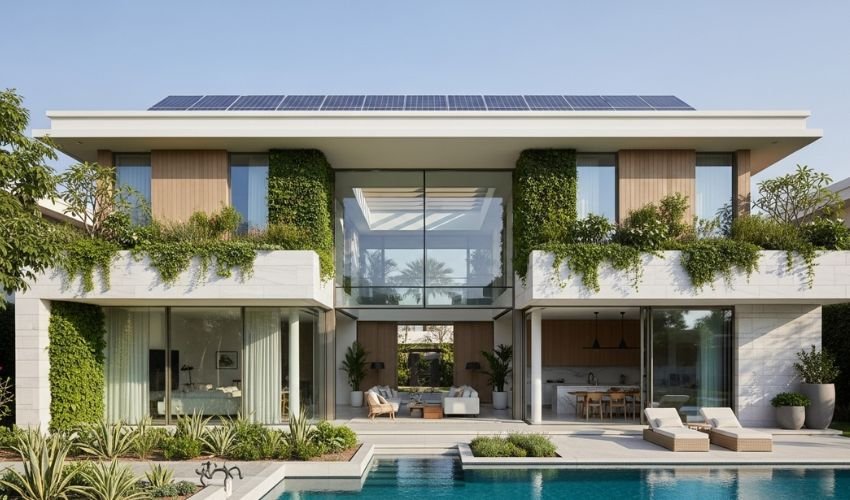
The UAE’s commitment to sustainability is shaping a new standard for living—one that blends technology, tradition and environmental responsibility. As cities expand and new communities rise, eco-friendly homes will play a major role in defining the country’s modern identity.
From innovative architecture to renewable energy solutions, these homes reflect a future where luxury meets responsibility. They create healthier lifestyles, support long-term savings and bring the UAE closer to its ambitious environmental goals.
Sustainable and eco-friendly homes in the UAE are more than a housing trend—they are a meaningful shift toward a better way of life. They offer comfort, reduce environmental impact and empower families to live more consciously. As the movement grows, residents will enjoy a cleaner, smarter and more balanced life built on responsibility and innovation.
The UAE’s green living revolution is here, and it is reshaping not just homes, but the way people experience daily life.
Do Follow Estate Magazine on Instagram
Read More:- Why Eagle Heights in Dubai Sports City is a Smart Investment 2025