As we step into 2026, the landscape of home buying is undergoing a profound transformation. The shift towards sustainable and smart homes is not merely a trend; it’s a revolution driven by conscious consumers eager to embrace eco-friendly living and cutting-edge technology. Today’s buyers are not just looking for a place to live; they want a home that aligns with their values and enhances their quality of life. In this article, we will explore the key features that define sustainable and smart homes, and what buyers are actively seeking in this new era.
In recent years, the urgency of climate change has prompted many consumers to rethink their lifestyles, including where they choose to live. Sustainable homes are increasingly attractive because they offer numerous benefits. Beyond the appeal of reducing one’s carbon footprint, these homes often lead to lower utility bills, improved health, and a sense of community.
An eco-conscious buyer in 2026 is likely to prioritize homes that utilize renewable energy sources, such as solar panels, and those built with sustainable materials. This shift signifies a growing awareness of environmental impact, making sustainability a non-negotiable aspect of home buying.
While sustainability is a priority, technology plays an equally vital role in the homes of 2026. Smart home features are no longer just trendy gadgets; they are essential components that enhance convenience, security, and energy efficiency. Buyers are keen on homes equipped with smart thermostats, advanced security systems, and integrated home automation.
Imagine walking into a home that adjusts its temperature based on your preferences, communicates with your smart appliances, and even alerts you of potential security breaches—all while being energy efficient. This seamless integration of technology is what today’s buyers desire, as it simplifies daily living and promotes a modern lifestyle.
Energy efficiency is a cornerstone of sustainable homes. In 2026, buyers are expected to seek properties that showcase energy-efficient designs and appliances. This includes features like high-performance insulation, energy-efficient windows, and LED lighting. These elements not only contribute to a lower environmental footprint but also provide financial savings over time.
Moreover, homes equipped with energy management systems that monitor and optimize energy consumption are becoming increasingly desirable. Buyers want the assurance that they are making an investment in a home that will provide long-term benefits, both economically and environmentally.
In the quest for sustainability, the materials used in home construction and renovation are of utmost importance. Buyers in 2026 will gravitate towards homes made from recycled, reclaimed, or sustainably sourced materials. Bamboo flooring, reclaimed wood, and low-VOC paints are just a few examples of what eco-conscious buyers will look for.
The appeal of these materials extends beyond their environmental benefits; they also provide a unique aesthetic that is both modern and timeless. As buyers become more educated about the impact of construction materials, the demand for eco-friendly options will continue to rise.
A significant aspect of sustainable living is ensuring a healthy indoor environment. In 2026, buyers will increasingly prioritize homes that promote excellent indoor air quality. Features such as advanced ventilation systems, air purifiers, and non-toxic building materials will be highly sought after.
The COVID-19 pandemic has heightened awareness around health and hygiene, making air quality a vital consideration for many. Homes that provide a sanctuary from outdoor pollutants and allergens will stand out in the market, appealing to buyers who prioritize their health and well-being.
In addition to energy efficiency, smart technology plays a crucial role in enhancing the comfort and efficiency of modern homes. Buyers in 2026 will be looking for homes with integrated systems that allow them to control lighting, heating, cooling, and security through their smartphones or voice-activated devices.
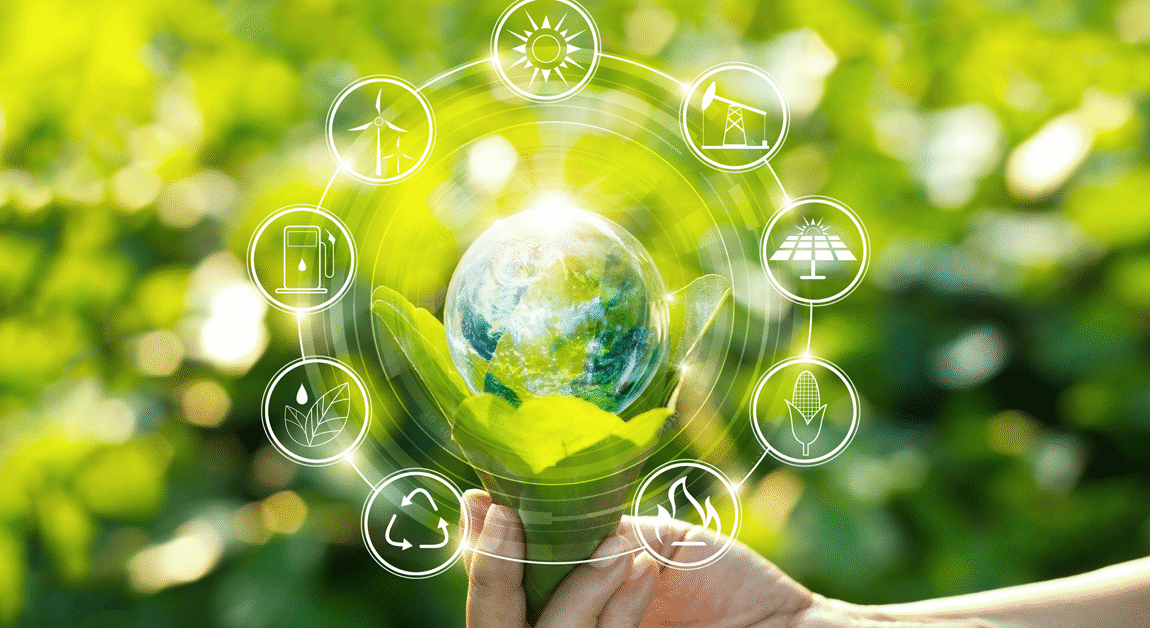
Smart home technology not only offers convenience but also contributes to energy savings. For example, smart lighting systems can adjust based on occupancy, while smart thermostats learn the homeowner’s schedule to optimize energy use. This level of customization and control is a significant selling point for tech-savvy buyers.
As the demand for sustainable and smart homes grows, so does the emphasis on community. Buyers in 2026 will increasingly value neighborhoods that foster connectivity and sustainability. Developments that incorporate green spaces, community gardens, and shared amenities will be particularly appealing.
Moreover, homes that are located near public transport, walkable areas, and local businesses will attract buyers looking to reduce their reliance on cars. The desire for a sense of community, combined with eco-friendly living, will shape the neighborhoods of the future.
As climate change continues to pose challenges, resilience will become a key consideration for homebuyers. In 2026, buyers will look for homes designed to withstand extreme weather events, incorporating features like flood resistance, fire-resistant materials, and robust structural designs.
Investing in resilient homes not only offers peace of mind but also protects the value of the property in the long term. Buyers will seek homes that are built to adapt to changing environmental conditions, reflecting a proactive approach to homeownership.
While sustainability and smart technology are in high demand, affordability remains a crucial factor for many buyers. In 2026, there will be a growing need for solutions that bridge the gap between sustainable living and budget constraints.
Developers and builders will need to explore innovative ways to offer eco-friendly homes at various price points. This could involve utilizing cost-effective technologies, government incentives, or community-based initiatives aimed at making sustainable housing accessible to a broader audience.
As we look ahead to 2026, the vision for sustainable and smart homes is one that encompasses more than just individual features. Buyers will seek a holistic approach that combines sustainability, technology, community, and resilience.
The homes of the future will not only be energy-efficient and equipped with smart technology, but they will also foster connections among residents and promote a healthy lifestyle. This comprehensive understanding of what constitutes a desirable home will shape the real estate market for years to come.
In conclusion, sustainable and smart homes are redefining what buyers want in 2026. The integration of energy efficiency, eco-friendly materials, advanced technology, and a strong sense of community will be at the forefront of homebuyer preferences. As consumers become increasingly aware of their impact on the environment and the importance of technology in their lives, the demand for homes that reflect these values will only grow.
As we move forward, it is essential for builders, real estate agents, and developers to stay attuned to these evolving preferences. The homes that resonate with buyers will be those that not only meet their functional needs but also align with their aspirations for a sustainable future.
Do follow Estate Magazine on Instagram
Read More:- Trend Shift: Dubai Real Estate Decisions Are Becoming More Logic-Based