
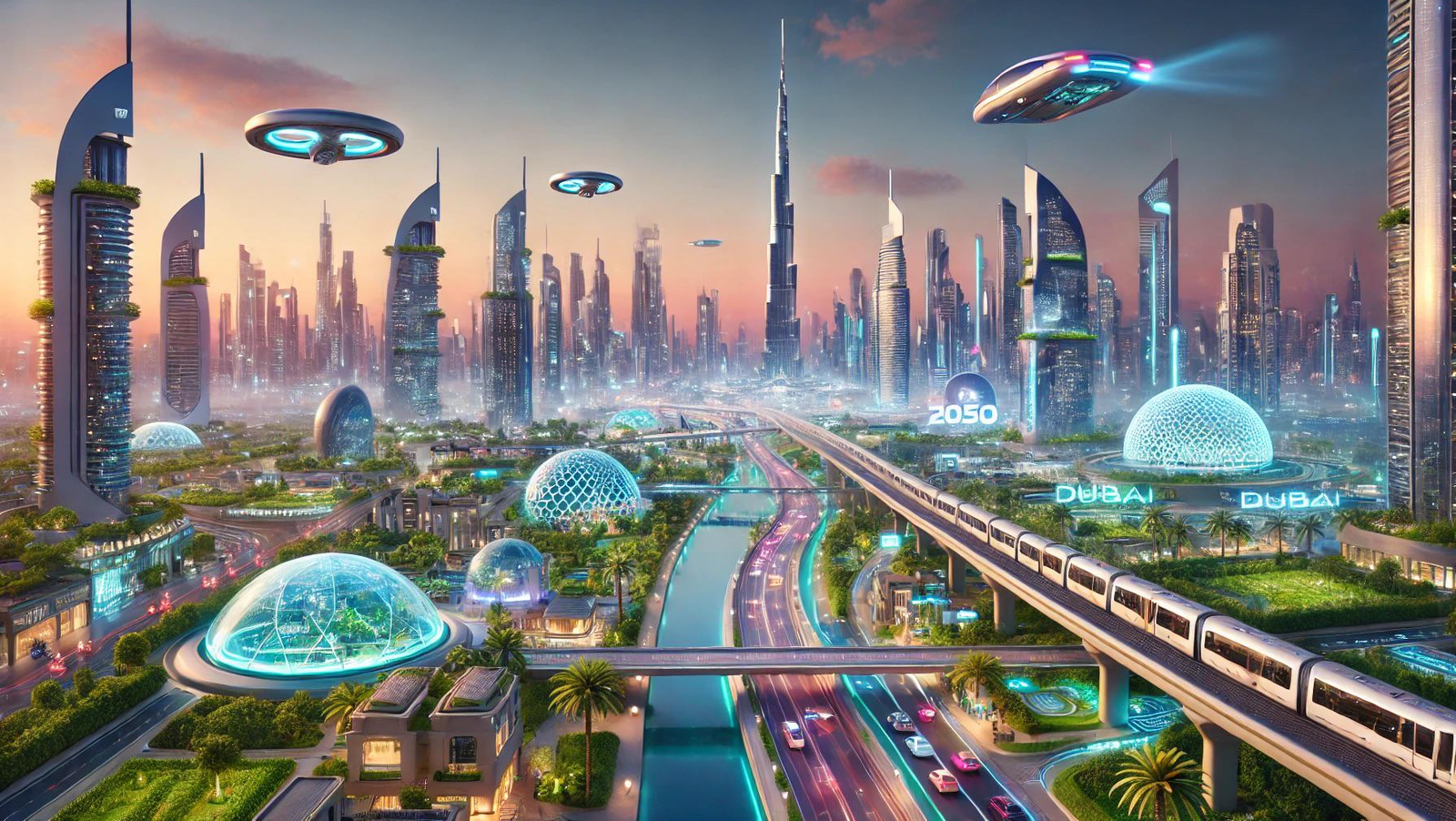
The United Arab Emirates (UAE) has emerged as a global leader in sustainability, and technology is at the heart of this transformation. As the country pushes toward ambitious environmental goals, including the UAE Net Zero by 2050 Strategic Initiative, digital innovation and smart solutions are playing a critical role in creating a sustainable future.
The UAE’s commitment to sustainability is evident in its investment in renewable energy, eco-friendly infrastructure, and smart city projects. Technology is not just a supporting tool it is shaping the way the nation generates energy, manages resources, and reduces its carbon footprint.
One of the most notable areas where technology impacts sustainability is renewable energy. The UAE is home to some of the world’s largest solar power projects, such as the Mohammed bin Rashid Al Maktoum Solar Park. Advanced technologies like artificial intelligence (AI) and the Internet of Things (IoT) are used to optimize solar panel efficiency and monitor energy consumption in real time.
Smart grids also play a crucial role in managing energy distribution. These grids use AI and data analytics to balance electricity supply and demand efficiently, reducing energy wastage. By integrating renewable sources with smart grids, the UAE can move closer to its goal of producing 50% of its energy from clean sources by 2050.

Technology is transforming urban planning in the UAE. Smart city initiatives, such as those in Dubai and Abu Dhabi, utilize data-driven solutions to enhance resource management. IoT sensors in buildings monitor water usage, air quality, and energy consumption, allowing cities to operate more efficiently and reduce environmental impact.
Building Information Modeling (BIM) and AI-powered design tools help architects and engineers construct eco-friendly buildings. These tools predict energy consumption, optimize natural lighting, and ensure that materials are used sustainably. As a result, the UAE is setting new standards for green architecture in the region.
Water scarcity is a major challenge in the UAE, making technological innovation essential. Smart irrigation systems, powered by IoT and AI, are used in agriculture and landscaping to reduce water consumption significantly. Sensors detect soil moisture levels and deliver water precisely when needed, ensuring minimal waste.
In waste management, AI and robotics help separate and recycle materials more efficiently. Smart bins equipped with sensors track waste levels and optimize collection schedules, reducing unnecessary trips and cutting down on carbon emissions. These technologies not only support sustainability but also enhance urban living conditions.
The UAE is rapidly embracing electric vehicles (EVs) and smart transportation systems. AI-powered traffic management systems optimize traffic flow, reducing congestion and emissions. Electric public transport, such as buses and metro lines, is expanding, supported by charging infrastructure and renewable energy sources.
Autonomous vehicles and AI-driven ride-sharing platforms further reduce carbon emissions by improving efficiency. These innovations align with the UAE’s vision of creating a low-carbon, sustainable transportation network.
Industries in the UAE are adopting smart technologies to minimize environmental impact. Automation, AI, and predictive analytics improve energy efficiency in factories and reduce waste. 3D printing is being used to manufacture parts with less material, contributing to resource conservation.
Moreover, the adoption of clean technologies in heavy industries, such as cement and steel production, helps reduce greenhouse gas emissions. By integrating digital solutions into industrial processes, the UAE is setting an example for sustainable manufacturing in the Middle East.
Technological advancement alone is not enough. Government policies and international collaboration play a key role in ensuring sustainable growth. The UAE government supports innovation through initiatives like the UAE Energy Strategy 2050 and the Green Economy for Sustainable Development initiative.
Collaborations with international tech companies and research institutions help the UAE access cutting-edge solutions for renewable energy, smart cities, and sustainable infrastructure. This combination of policy support and technological innovation accelerates the nation’s journey toward sustainability.
Technology also empowers citizens and businesses to contribute to sustainability. Mobile apps and smart platforms provide real-time data on energy use, water consumption, and carbon footprint. These tools encourage responsible behavior and promote environmental awareness.
Businesses are increasingly leveraging digital solutions to monitor sustainability metrics, reduce emissions, and adopt greener practices. By combining technology with awareness, the UAE is fostering a culture of sustainability at all levels of society.
The UAE’s vision for a sustainable future is being driven by technology across every sector from energy and infrastructure to transportation and industry. With AI, IoT, smart grids, and digital innovation, the country is reducing its environmental footprint while promoting economic growth.
As the UAE continues to invest in technology and sustainable solutions, it sets a global example of how innovation can lead to a greener, more sustainable future. The role of technology in this journey is not just supportive it is transformative, shaping the UAE into a model of modern sustainability.
READ MORE:- Inside the World of Business Acquisitions: Secrets of Corporate Growth 2025