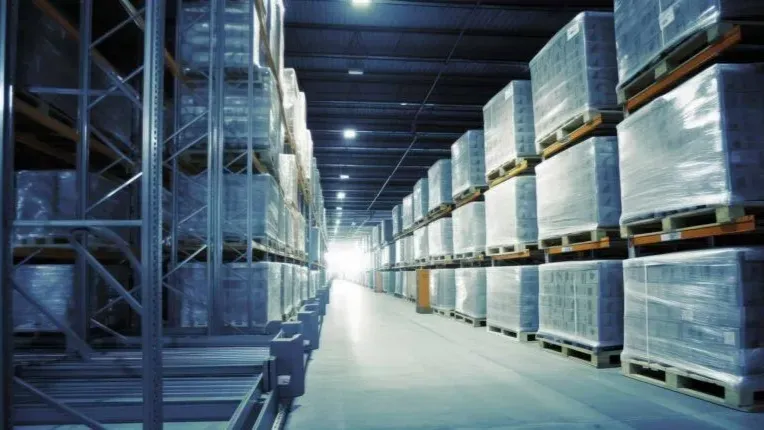
In a world where consumer expectations, product sensitivity, and logistics efficiency have become top priorities, the need for temperature-controlled warehouses has surged like never before. Whether it’s pharmaceuticals, fresh food, or high-end electronics, temperature consistency plays a key role in maintaining quality, compliance, and customer trust. This transformation has redefined how businesses manage their storage and distribution networks across industries.
Let’s explore why these specialized warehouses are becoming the backbone of modern supply chains, their benefits, and what makes them a long-term investment opportunity for both businesses and investors.
A temperature-controlled warehouse is a facility designed to maintain specific temperature ranges for stored goods. Unlike conventional warehouses, these are equipped with advanced HVAC systems, insulation materials, and humidity controls to ensure stable environmental conditions.
Depending on the nature of goods, these warehouses are often divided into categories:
Each of these units plays a vital role in preventing spoilage, degradation, and contamination, ensuring that products remain in their best condition from manufacturer to end consumer.
In recent years, the global logistics landscape has undergone a radical shift. Several key factors have fueled the rise in demand for temperature-controlled warehousing solutions.
1. Growth of E-Commerce and Online Grocery Delivery
The e-commerce boom, especially in grocery and pharmaceutical segments, has accelerated the need for precise storage and distribution. Consumers expect faster delivery of fresh products, pushing retailers to expand temperature-sensitive logistics infrastructure.
2. Rising Pharmaceutical and Healthcare Needs
With the expansion of biotechnology and the global pharmaceutical industry, maintaining product stability has become essential. Vaccines, biologics, and diagnostic reagents all require specific temperature conditions, making controlled warehouses indispensable.
3. Stringent Food Safety Regulations
Governments and international bodies have introduced stricter standards for food safety. Compliance with temperature monitoring is now mandatory, encouraging food companies to invest in controlled environments.
4. Increasing Focus on Product Quality and Shelf Life
Manufacturers today aim to reduce waste and maximize product lifespan. Temperature consistency not only preserves quality but also minimizes the risk of financial loss from damaged goods.
5. Global Supply Chain Resilience
Post-pandemic supply chain disruptions emphasized the need for reliable cold storage facilities that can handle emergency stockpiling and international logistics demands.
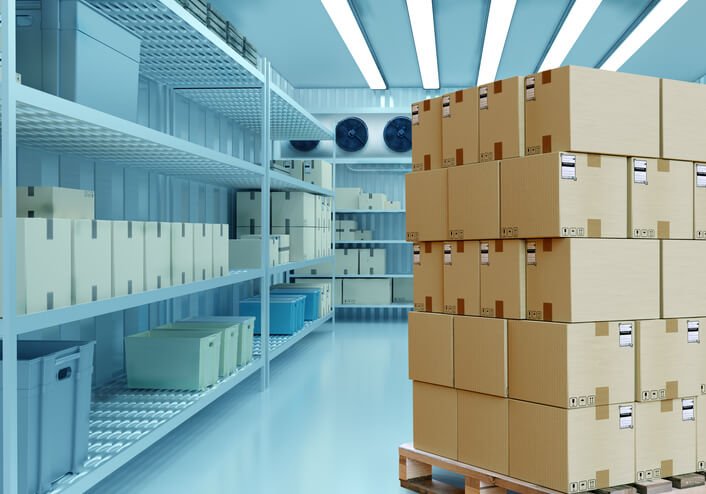
Temperature-controlled storage isn’t limited to one sector—it supports multiple industries that rely on precision and quality.
1. Food and Beverage Industry
Perhaps the largest user of cold and temperature-controlled warehouses, this sector requires optimal conditions to maintain taste, freshness, and safety standards for products ranging from fresh produce to frozen desserts.
2. Pharmaceuticals and Healthcare
Vaccines, medicines, and biologically sensitive products must be stored within specific temperature limits. Even slight deviations can compromise effectiveness, making these warehouses a regulatory necessity.
3. Cosmetics and Personal Care
High-end cosmetics and skincare items often require stable climates to preserve texture, fragrance, and composition—especially in hot or humid regions.
4. Electronics and Technology
Certain electronic components are sensitive to heat and humidity. Climate-controlled environments ensure protection from corrosion and performance degradation.
5. Chemicals and Industrial Goods
Industrial materials such as adhesives, paints, and specialty chemicals can be temperature-sensitive. Controlled warehousing prevents separation, hardening, or chemical reactions.
The success of temperature-controlled warehousing depends on infrastructure, technology, and design. Some essential features include:
1. Advanced Insulation and Refrigeration Systems
High-quality insulation materials minimize energy loss and maintain stable internal conditions. Coupled with efficient refrigeration systems, they ensure precise control over temperature and humidity.
2. Real-Time Monitoring and Automation
Modern warehouses are equipped with IoT sensors that provide real-time updates on temperature and humidity levels. Automated alerts and control systems prevent fluctuations that could damage goods.
3. Zoned Temperature Management
Larger facilities often have multiple zones with distinct temperature settings, allowing businesses to store various types of goods within the same building efficiently.
4. Backup Power Systems
Power failures can be catastrophic for temperature-dependent goods. Backup generators and redundant systems are essential to maintain stability during outages.
5. Sustainable and Energy-Efficient Designs
Green building materials, solar-powered refrigeration, and smart ventilation systems help reduce energy consumption and operational costs, aligning with sustainability goals.
While these warehouses offer clear advantages, they also come with challenges that require strategic management and investment.
1. High Operational and Maintenance Costs
Energy consumption for refrigeration systems is significant. Operators must invest in energy-efficient technologies to keep long-term costs manageable.
2. Skilled Workforce Requirement
Managing temperature-controlled environments requires specialized training. From equipment maintenance to monitoring compliance, skilled technicians are essential.
3. Technological Integration
Not all companies are equipped with the right digital tools. Integrating IoT, AI, and warehouse management systems demands capital and technical expertise.
4. Limited Availability of Strategic Locations
Ideal warehouse sites near transport hubs are often limited or costly. This affects logistics efficiency and increases competition among operators.
5. Compliance and Regulatory Challenges
Regulations for food, pharmaceuticals, and chemical storage vary across countries, requiring continuous monitoring and documentation to maintain certification.
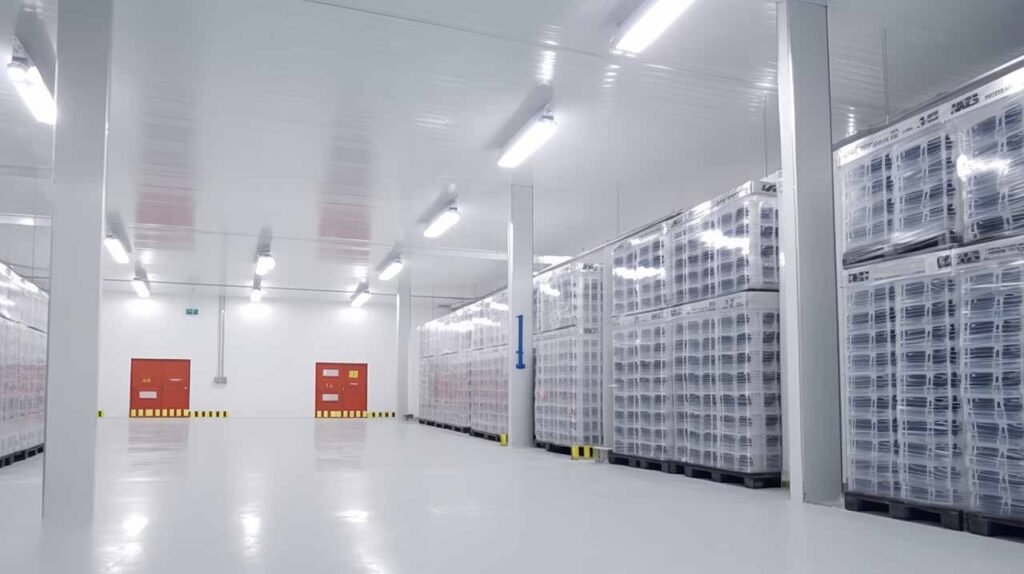
Innovation is at the heart of this sector’s evolution. New technologies are transforming how temperature-controlled warehouses operate.
1. Internet of Things (IoT) and Smart Sensors
IoT-based sensors collect and transmit live data on temperature, humidity, and air quality. This enhances accountability and minimizes human error.
2. Artificial Intelligence (AI) and Predictive Analytics
AI algorithms predict temperature trends, identify energy inefficiencies, and help prevent costly breakdowns before they occur.
3. Robotics and Automation
Automated guided vehicles (AGVs) and robotic arms ensure quick, accurate movement of goods while maintaining a consistent environment.
4. Blockchain for Traceability
Blockchain ensures transparent tracking of products from manufacturer to consumer, especially critical for pharmaceuticals and food products that require full traceability.
5. Cloud-Based Warehouse Management Systems (WMS)
Cloud integration allows companies to manage inventory, monitor environmental data, and coordinate logistics remotely and in real time.
As environmental awareness grows, sustainability has become a key focus in warehouse design and operation.
1. Renewable Energy Adoption
Solar panels and wind energy are increasingly being used to power cooling systems, reducing dependency on fossil fuels.
2. Eco-Friendly Refrigerants
The industry is transitioning toward refrigerants with low global warming potential (GWP) and ozone-friendly properties.
3. Smart Energy Management
Energy management systems optimize power use, switching between sources and adjusting cooling intensity based on occupancy and product type.
4. Recyclable Building Materials
From insulated panels to sustainable flooring, eco-friendly materials are being adopted to reduce environmental footprints.
The commercial potential of temperature-controlled warehousing has attracted investors, developers, and logistics providers globally.
1. Strong ROI and Long-Term Contracts
Businesses often lease these facilities through long-term agreements due to the critical nature of their operations, offering consistent revenue streams to investors.
2. Integration with 3PL and 4PL Providers
Third-party logistics (3PL) and fourth-party logistics (4PL) companies are integrating temperature-controlled facilities to offer complete supply chain solutions, enhancing efficiency and competitiveness.
3. Strategic Partnerships Between Developers and Retailers
Real estate developers are collaborating with retail and pharmaceutical giants to build custom cold storage networks closer to consumer markets.
4. Government Incentives and Infrastructure Development
Many countries are offering tax benefits, grants, and infrastructure support to promote the growth of cold chain logistics, recognizing its importance in food security and healthcare.
As technology and global trade evolve, the future of this sector looks dynamic and promising.
Temperature-controlled warehouses are no longer a luxury—they are a necessity. They safeguard product integrity, ensure compliance, and enhance supply chain reliability. From food to pharmaceuticals, their role in modern commerce cannot be overstated.
As sustainability, technology, and consumer expectations continue to evolve, these warehouses will define the next era of smart logistics. Businesses that adapt to this cold revolution today will not only safeguard their products but also future-proof their operations in a rapidly changing global market.
Do Follow Estate Magazine on Instagram