The GCC real estate market has always been a focal point of interest for investors, homeowners, and industry professionals alike. This region, known for its rapid growth and economic diversification, offers a unique blend of opportunities and challenges in real estate. As we delve into the dynamics of this market, we will uncover the driving forces behind its expansion, the most sought-after locations, and the future prospects that make it an enticing landscape for investment.
The Gulf Cooperation Council (GCC) comprises six countries: Saudi Arabia, the United Arab Emirates, Qatar, Kuwait, Oman, and Bahrain. Each nation brings its own flavor to the real estate market, influenced by local regulations, economic conditions, and cultural preferences.
In recent years, the GCC real estate market has experienced significant transformations. Economic diversification efforts, especially in the UAE and Saudi Arabia, have led to a surge in demand for residential, commercial, and industrial properties. These nations are not only focusing on tourism and trade but are also investing heavily in infrastructure, which creates a ripple effect on the real estate sector.
Several factors contribute to the growth of the GCC real estate market. Understanding these drivers can help potential investors make informed decisions.
One of the primary drivers is the increased population. Rapid urbanization and a steady influx of expatriates seeking employment opportunities have spurred demand for housing. Cities like Dubai and Riyadh are witnessing booming residential projects to accommodate this growing population.
Another critical factor is government initiatives aimed at stimulating the property market. For instance, the relaxation of ownership laws for foreign investors has opened up new avenues in the GCC real estate market. Programs encouraging foreign investment have led to innovative projects, ranging from luxury apartments to affordable housing.
Additionally, tourism plays a pivotal role. Countries like the UAE are investing in mega developments and luxury resorts, not only to attract tourists but also to create integrated communities that offer a high quality of life. This focus on tourism and lifestyle amenities directly impacts the attractiveness of real estate investments in these areas.
As technology continues to evolve, the concept of smart cities has gained traction within the GCC real estate market. Smart cities leverage technology to enhance the quality of life for residents while promoting sustainability. Initiatives in cities like Dubai and Riyadh include smart infrastructure, advanced transportation systems, and energy-efficient buildings.
The integration of technology in urban planning makes these cities more appealing to both residents and investors. People are increasingly looking for homes that offer convenience and connectivity, and the GCC is rising to meet these expectations.
When discussing the GCC real estate market, certain cities stand out due to their unique characteristics and growth potential.
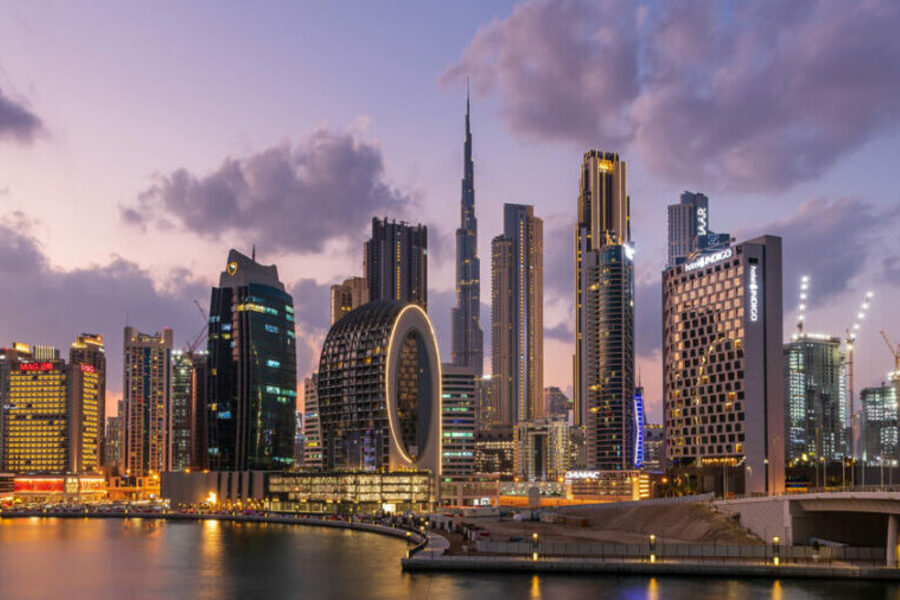
Dubai remains a perennial favorite, known for its luxury developments and iconic skyline. The city’s diverse property offerings, from waterfront villas to high-rise apartments, cater to a wide range of buyers. Moreover, events like Expo 2020 have further boosted Dubai’s international profile, attracting investors from around the globe.
Another noteworthy market is Riyadh, which is undergoing a significant transformation under Saudi Arabia’s Vision 2030 initiative. The government’s commitment to diversifying the economy and enhancing the living standards of its citizens has resulted in extensive urban development and infrastructure projects, making Riyadh an attractive option for real estate investors.
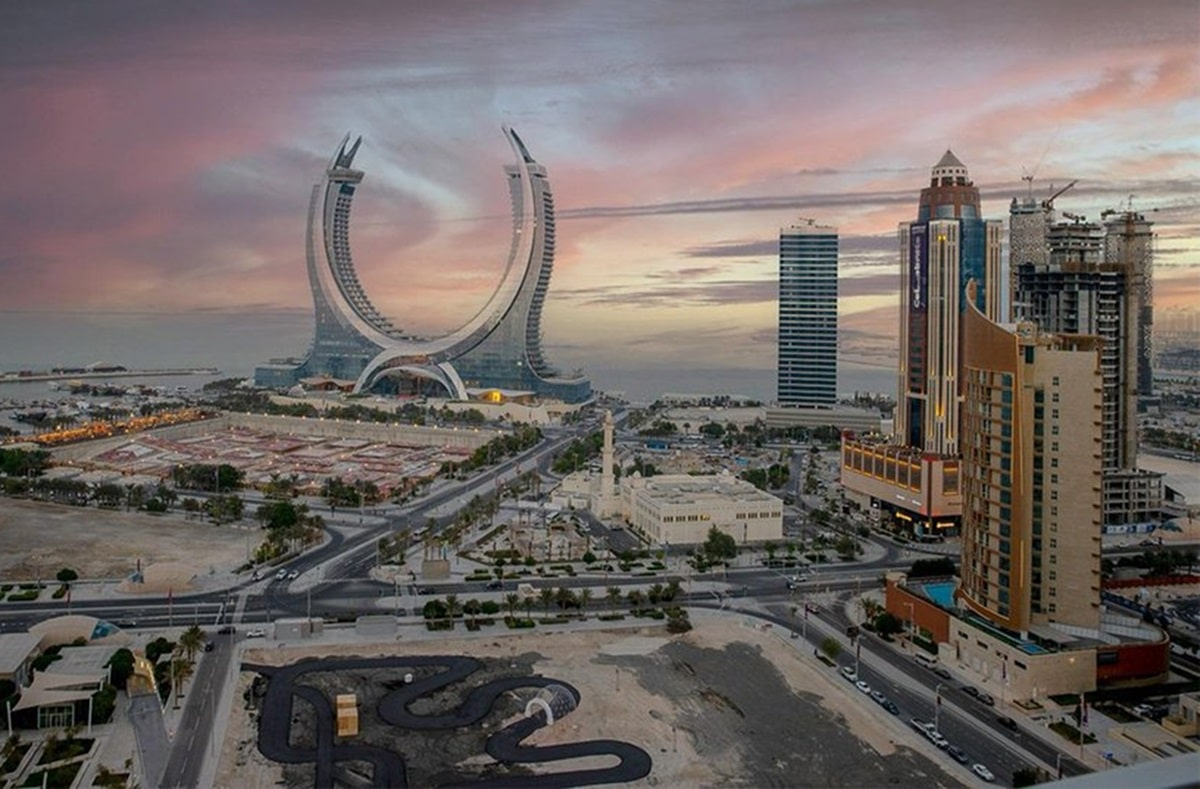
Doha, the capital of Qatar, is also gaining traction as a real estate hub. The city is preparing for the FIFA World Cup 2022, which has led to substantial investments in both residential and commercial properties. This influx of capital has made Doha a hotspot for potential investors looking for growth opportunities.
While the GCC real estate market presents numerous opportunities, it is not without its challenges. Fluctuations in oil prices can have a significant impact on economic stability, influencing buyer sentiment and investment decisions. The dependency on oil revenue in some GCC countries makes it essential to adapt to global economic shifts.
Moreover, the pandemic has tested the resilience of the real estate sector. The temporary slowdown in construction and the initial decrease in demand highlighted the need for adaptability and innovation within the marketplace. However, as the world gradually recovers, the GCC real estate market is showing signs of resilience and resurgence.
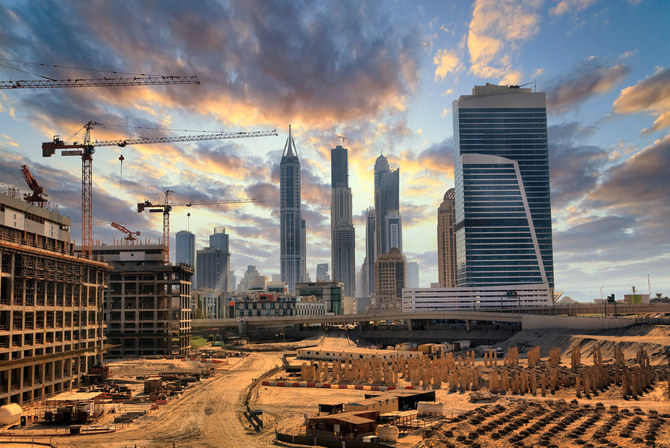
Looking ahead, the GCC real estate market is poised for continued growth. The ongoing commitment to economic diversification, coupled with the adoption of innovative technologies, suggests that the landscape will evolve to meet the needs of future generations.
Investors can expect to see a rise in sustainable developments that prioritize environmental responsibility. With increasing awareness of climate change, there is a growing demand for eco-friendly buildings that incorporate green technologies.
Furthermore, as the region continues to promote itself as a global business hub, the demand for commercial real estate is likely to increase. The rise of remote work may also influence the types of properties in demand, with a potential shift toward flexible workspaces.
In summary, the GCC real estate market presents a captivating blend of opportunities and challenges. From the rapid urbanization and influx of expatriates to government initiatives and advancements in technology, the region is transforming into a dynamic landscape for investors.
As we navigate through the complexities of this market, it becomes clear that the GCC is not just a regional player but a key contender on the global real estate stage. Those who are willing to engage with this evolving market stand to benefit immensely from its promising future.
Do Follow Estate Magazine on Instagram
Read Next – The Allure of Waterfront Developments and Community Transformation