

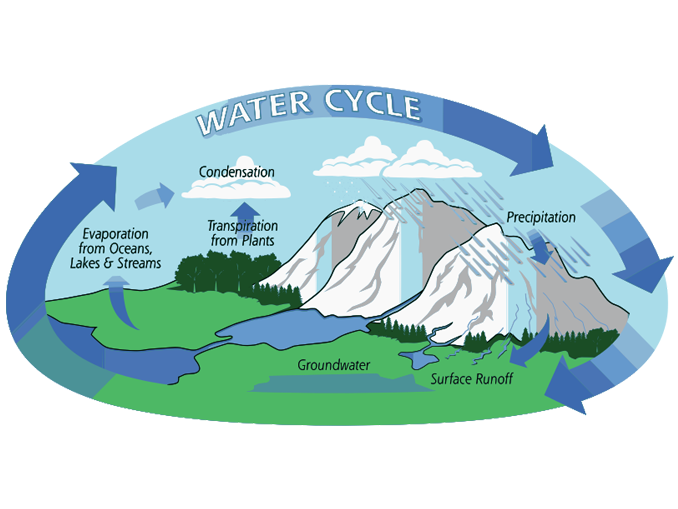
When most of us think about the water cycle, we picture rainfall, rivers, evaporation, and clouds. But there is a vital stage of this cycle that goes almost unnoticed: groundwater recharge. This essential process involves water moving down through the soil to replenish underground aquifers. Without it, we would not have a reliable source of fresh water for drinking, farming, and industry. Yet groundwater recharge is often ignored, leaving this critical resource at risk.
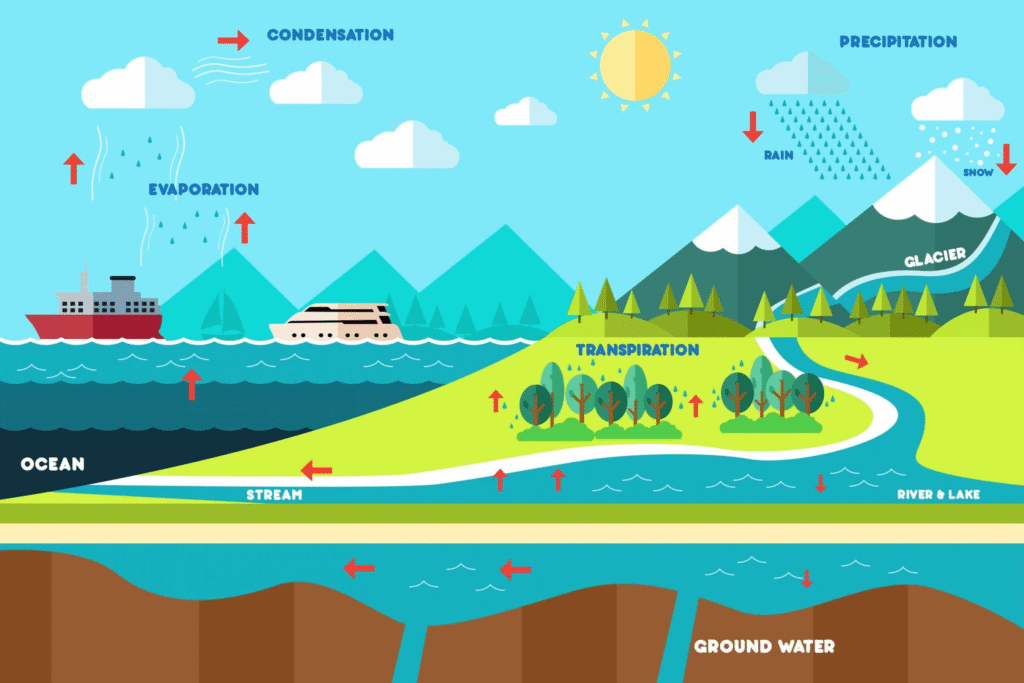
Groundwater acts as a hidden water bank for billions of people around the world. In many regions, especially in arid and semi-arid zones, groundwater is the only dependable water source during dry periods. But as climate change and population growth put more pressure on water resources, our aquifers are getting depleted faster than they can be recharged.
Groundwater recharge is nature’s way of refilling these aquifers. Rainwater, river water, and even floodwater can seep through soil layers and replenish underground reserves. This not only ensures future water supplies but also supports the health of wetlands, forests, and other ecosystems that depend on steady groundwater levels.
Groundwater recharge happens in several ways. Natural recharge occurs when rainwater infiltrates the ground, filtering through soil and rock layers. Sometimes, rivers overflow their banks, and excess water seeps underground. In forested areas, tree roots and healthy soil structure help water move deeper into the ground.
Artificial or managed recharge is another way to boost groundwater. Governments and local communities build recharge ponds, check dams, and percolation tanks to direct water into the soil. Treated wastewater can also be used in a safe and controlled way to recharge aquifers, offering a sustainable solution in water-stressed regions.
People often ignore groundwater recharge because it happens underground, out of sight. Unlike a lake or a river, we cannot easily see groundwater reserves or measure them by the naked eye. The recharge process is slow and invisible, making it less dramatic than a flowing river or a waterfall.
In addition, public awareness about water scarcity usually focuses on surface water — reservoirs, lakes, and rivers — rather than underground water systems. This lack of awareness has led to poor management of groundwater resources in many countries.
Studies show that nearly one-third of the world’s largest aquifers are under stress. India, for example, is the largest user of groundwater in the world, but nearly 60% of its districts face a severe groundwater crisis. In the United States, parts of California’s Central Valley are sinking because excessive groundwater pumping has caused the land to collapse.
As aquifers shrink, wells dry up, farmers lose crops, and entire communities face drinking water shortages. Restoring groundwater recharge can be a key strategy to reverse this crisis.
Climate change makes groundwater recharge even more important. As rainfall patterns become more unpredictable, floods and droughts are happening more often. Floods can help recharge aquifers if the water is properly managed instead of running off into the sea. On the other hand, droughts make us rely more on groundwater, which needs to be replenished to avoid long-term damage.
By improving recharge practices, we can build resilience against climate extremes and safeguard water for future generations.
Around the world, communities are starting to pay attention to groundwater recharge. For example, in India’s Rajasthan state, local villagers have revived traditional rainwater harvesting structures called johads, allowing water to seep underground and revive dried-up wells.
In California, farmers are testing “flood-managed aquifer recharge,” where excess river water is deliberately flooded onto fields to soak into the ground. This not only refills aquifers but also reduces flood risk downstream.
Cities like Perth in Australia are using advanced technology to inject treated stormwater into aquifers, creating a secure reserve for dry years.
These examples show that with the right planning, groundwater recharge can be a powerful water security tool.
Experts say that groundwater recharge needs more attention in water policies and planning. Governments should invest in mapping aquifers, monitoring groundwater levels, and encouraging community participation in recharge projects. Farmers and industries must also learn sustainable water practices, such as limiting over-extraction and switching to water-efficient crops or processes.
Educational campaigns are vital too. When people understand where their water comes from, they are more likely to support projects that protect it. Schools, local leaders, and environmental groups can work together to raise awareness about groundwater recharge.
Water security is one of the greatest challenges of our century, and groundwater recharge is a simple yet powerful part of the solution. It is a reminder that nature already has mechanisms in place to manage water sustainably — we just need to respect and support them.
By recognizing groundwater recharge as a crucial stage of the water cycle, we can ensure healthy aquifers, thriving ecosystems, and secure water supplies for our children and grandchildren.
The next time you think of the water cycle, remember that it is not complete without groundwater recharge. It may be out of sight, but it should never be out of mind.
Read More:- Deyaar’s Latest Announcement Shakes Up the UAE Property Market