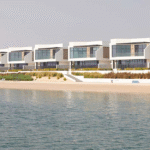

The real estate landscape in the UAE is undergoing a remarkable transformation. The rise of fractional ownership and tokenization in UAE real estate is reshaping how investors approach property acquisition. This innovative trend is democratizing access to real estate investments, enabling a broader audience to participate in a market that was once exclusive to the affluent.
As we delve deeper into this phenomenon, it becomes clear that fractional ownership and tokenization are not just passing trends; they represent a fundamental shift in the investment paradigm. This article explores how these concepts are revolutionizing the UAE’s real estate sector and what it means for both investors and property developers.
Fractional ownership allows multiple individuals to share the ownership of a single property, significantly lowering the barrier to entry for investors. This model has gained traction in the UAE, where high property prices can deter potential buyers. By pooling resources, investors can own a fraction of a property, enjoying the benefits without the burdens associated with full ownership.
In the UAE, fractional ownership is particularly appealing for vacation properties, luxury apartments, and commercial spaces. Investors can enjoy a share of rental income and capital appreciation, making it a win-win for those looking to diversify their portfolios without committing to full ownership costs.

Tokenization involves creating digital representations of real estate assets on a blockchain. This technology allows for the division of property into tokens, which can be bought and sold on a digital platform. The rise of fractional ownership and tokenization in UAE real estate is intertwined, as tokenization facilitates fractional ownership by making it easier to buy and sell shares in properties.
Investors benefit from increased liquidity, as tokens can be traded more easily than traditional property investments. This newfound flexibility appeals to a tech-savvy generation of investors who value speed and efficiency. With tokenization, the complexities of property transactions are streamlined, making real estate investments more accessible and transparent.
The rise of fractional ownership and tokenization in UAE real estate offers numerous advantages for investors:
Lower Investment Thresholds: Investors can enter the market with lower capital, making real estate accessible to a wider audience.
Diversification: By owning fractions of multiple properties, investors can diversify their portfolios and mitigate risk.
Passive Income: Fractional ownership allows investors to earn rental income proportional to their share in the property.
Enhanced Liquidity: Tokenized real estate can be traded on digital platforms, providing investors with the ability to liquidate their assets more easily.
Transparency and Security: The blockchain technology behind tokenization ensures a secure and transparent record of ownership, reducing the potential for fraud.
Despite the advantages, there are challenges associated with the rise of fractional ownership and tokenization in UAE real estate. Regulatory frameworks are still evolving, and investors must navigate a landscape where laws and compliance requirements are not yet fully established.
Moreover, potential investors should conduct thorough due diligence before committing to fractional ownership or tokenized investments. Understanding the terms of ownership, management fees, and exit strategies is crucial to ensure a positive investment experience.

Looking ahead, the rise of fractional ownership and tokenization in UAE real estate is likely to continue shaping the investment landscape. As more platforms emerge to facilitate these investment opportunities, the market will become increasingly competitive, driving innovation and better services for investors.
Real estate developers are also recognizing the potential of this trend. By offering properties in fractional ownership or tokenized formats, they can attract a broader range of investors and secure funding for new projects. This symbiotic relationship between investors and developers is set to enhance the vibrancy of the UAE real estate market.
The rise of fractional ownership and tokenization in UAE real estate represents a significant shift in how individuals engage with property investment. By lowering barriers and increasing access, these innovations are democratizing real estate, allowing a diverse range of investors to participate. As the market continues to evolve, staying informed about these trends will be crucial for anyone looking to navigate this exciting new landscape.
In summary, the future is bright for fractional ownership and tokenization in UAE real estate, promising to reshape the way we think about property investment for years to come.
Do Follow Estate Magazine on Instagram
Read More:- Proptech Adoption Revolutionizing UAE Property Transactions 2026