
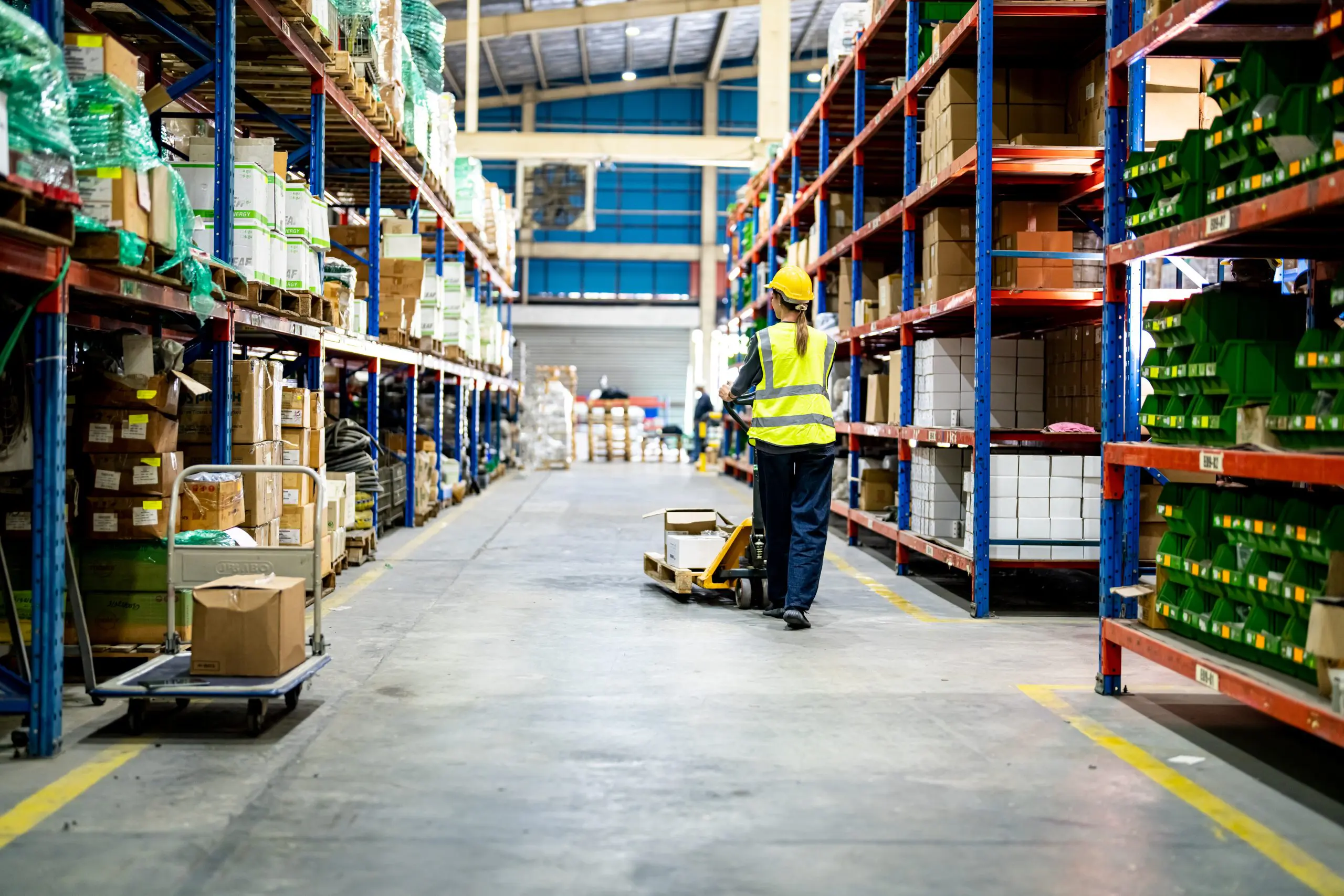
In today’s fast-moving world of commerce, logistics is the backbone of every successful business. Whether it’s retail, e-commerce, or manufacturing, the ability to move goods efficiently and on time determines profitability and customer satisfaction. Among all logistical assets, warehouses with easy road access have become one of the most valuable resources for companies looking to improve their supply chain performance.
These strategic storage facilities don’t just hold goods; they act as high-performance hubs that ensure smoother transportation, faster deliveries, and reduced operational costs.
In the logistics industry, time is money — literally. Every minute saved on transportation or loading means greater efficiency and higher customer satisfaction. As urban infrastructure expands and e-commerce surges, the demand for warehouses near major road networks has grown dramatically.
Easy road access allows trucks and delivery vehicles to enter, load, and exit quickly without unnecessary delays caused by congested routes or remote locations. This advantage plays a crucial role in minimizing transit time and optimizing distribution.
For example, warehouses near expressways or ring roads offer direct connectivity to ports, airports, and major city centers. Businesses benefit from lower fuel costs, better vehicle utilization, and improved turnaround times.
When companies evaluate warehouse locations, accessibility becomes a deciding factor. A warehouse that’s well-connected to key highways or arterial roads provides multiple operational benefits:
In short, the better the road network, the smoother the supply chain.

Modern logistics hubs are no longer chosen randomly. Businesses invest heavily in analyzing strategic locations that combine space, connectivity, and scalability. These hubs are usually positioned near:
For instance, a warehouse located within 10 kilometers of a major expressway can significantly reduce delivery times to key metropolitan areas. Similarly, warehouses near border highways simplify regional trade, benefiting importers and exporters.
In cities like Dubai, Mumbai, or Singapore, logistics companies often lease warehouses near logistics corridors or freight terminals to ensure seamless last-mile connectivity.
Warehouses with easy road access are often built with modern infrastructure to handle high traffic and large volumes. Beyond location, their design contributes to efficiency. Key design features include:
These structural elements make a tangible difference in reducing turnaround time and increasing throughput capacity — two essential KPIs in logistics.
The e-commerce revolution has redefined how companies view warehousing. Previously, warehouses were massive, centralized facilities located far from cities. Today, the trend has shifted toward decentralized warehousing — smaller, strategically positioned units with easy access to highways and urban centers.
Why this change? Because customers expect faster delivery. Same-day and next-day delivery models can only succeed if goods are stored close to the demand zones and road networks.
This shift has led to the rise of “last-mile warehouses” — compact storage spaces located near major population centers, often at the intersection of major roads. These facilities enable online retailers to fulfill orders within hours rather than days.
The advantages of such warehouses are numerous, extending beyond logistics performance. Here are the top benefits businesses enjoy:
1. Enhanced Supply Chain Visibility
Efficiently connected warehouses simplify route planning, real-time tracking, and data management, giving logistics managers greater visibility across the entire distribution chain.
2. Lower Operational Costs
With reduced travel distances and fuel expenses, companies achieve better cost efficiency. Additionally, faster deliveries lead to improved customer retention, increasing long-term profitability.
3. Improved Inventory Turnover
Warehouses with easy access allow for faster replenishment cycles. Goods can enter and leave the facility quickly, minimizing storage time and optimizing inventory flow.
4. Sustainable Logistics
Shorter travel distances reduce carbon emissions, aligning with modern sustainability goals and corporate ESG targets.
5. Competitive Advantage
Businesses that can deliver faster and cheaper inevitably gain a market edge. Efficient warehousing and road connectivity make this possible.
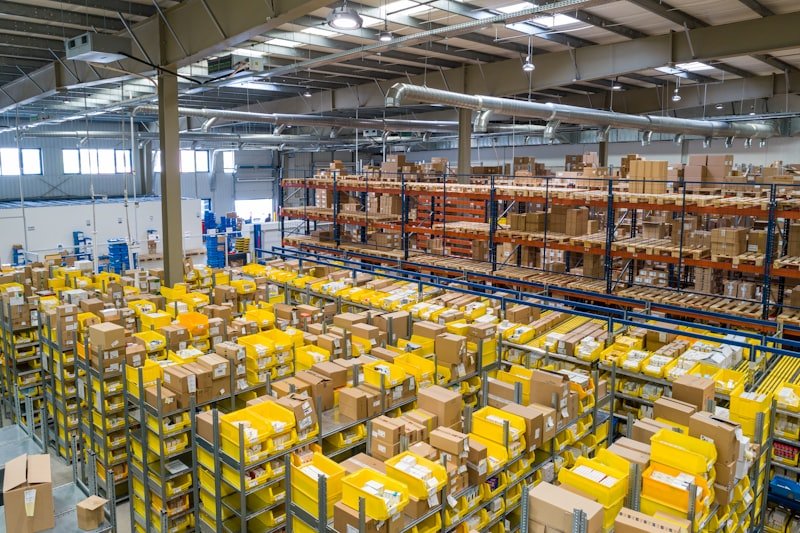
While every sector benefits from better logistics, certain industries rely heavily on road-accessible warehouses:
Each of these sectors prioritizes time, cost, and reliability — all supported by well-connected warehouse locations.
Selecting a warehouse is not just about space — it’s about strategy. Companies should consider the following factors before finalizing a warehouse with road connectivity:
By evaluating these criteria, businesses can find a warehouse that truly supports their long-term logistics goals.
The future of warehousing is intelligent, sustainable, and hyper-connected. As logistics technology advances, warehouses with easy road access are integrating smart solutions like:
Governments worldwide are also improving logistics infrastructure through highway expansion, freight corridors, and industrial zone connectivity — further amplifying the value of accessible warehouses.
Consider a logistics company managing nationwide distribution. When it shifted operations to a warehouse located just 2 kilometers from a major expressway, the results were striking:
This transformation highlights how simple geographical advantages translate directly into measurable business performance.
When warehouses are well-connected, it’s not only logistics companies that benefit. The entire economy thrives. Better connectivity leads to:
Thus, the development of warehouses with road access contributes to economic growth far beyond their immediate vicinity.
The logistics industry is evolving rapidly, and businesses can no longer afford to overlook the role of accessibility. Warehouses with easy road access are no longer optional; they are a strategic necessity for any company aiming to stay competitive in the modern supply chain ecosystem.
From faster deliveries and lower costs to sustainable operations and customer satisfaction, the benefits are undeniable. As global trade and e-commerce continue to expand, the demand for well-connected, smart warehouses will only rise.
In the end, success in logistics comes down to one simple principle — access matters. The easier the road to your warehouse, the smoother the path to your business growth.
Do Follow Estate Magazine on Instagram