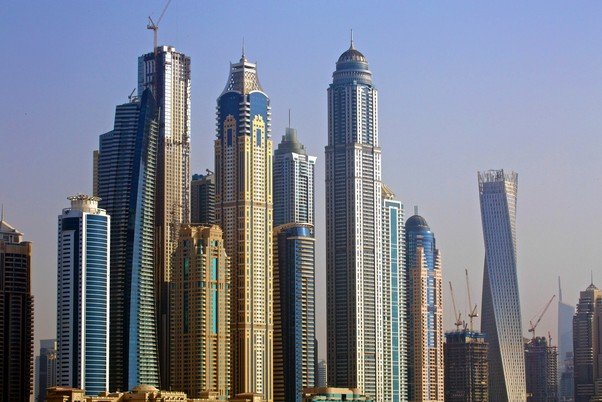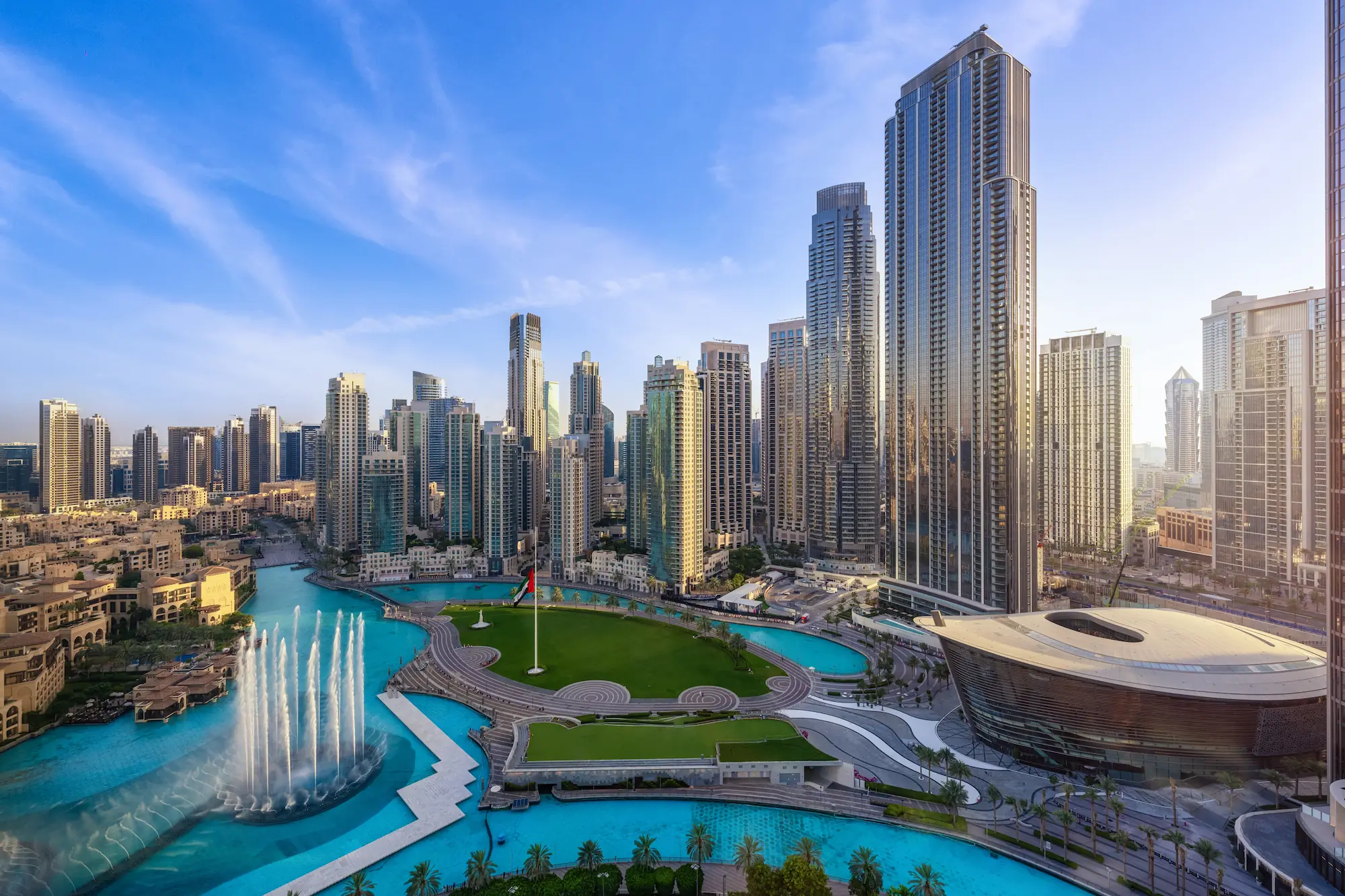
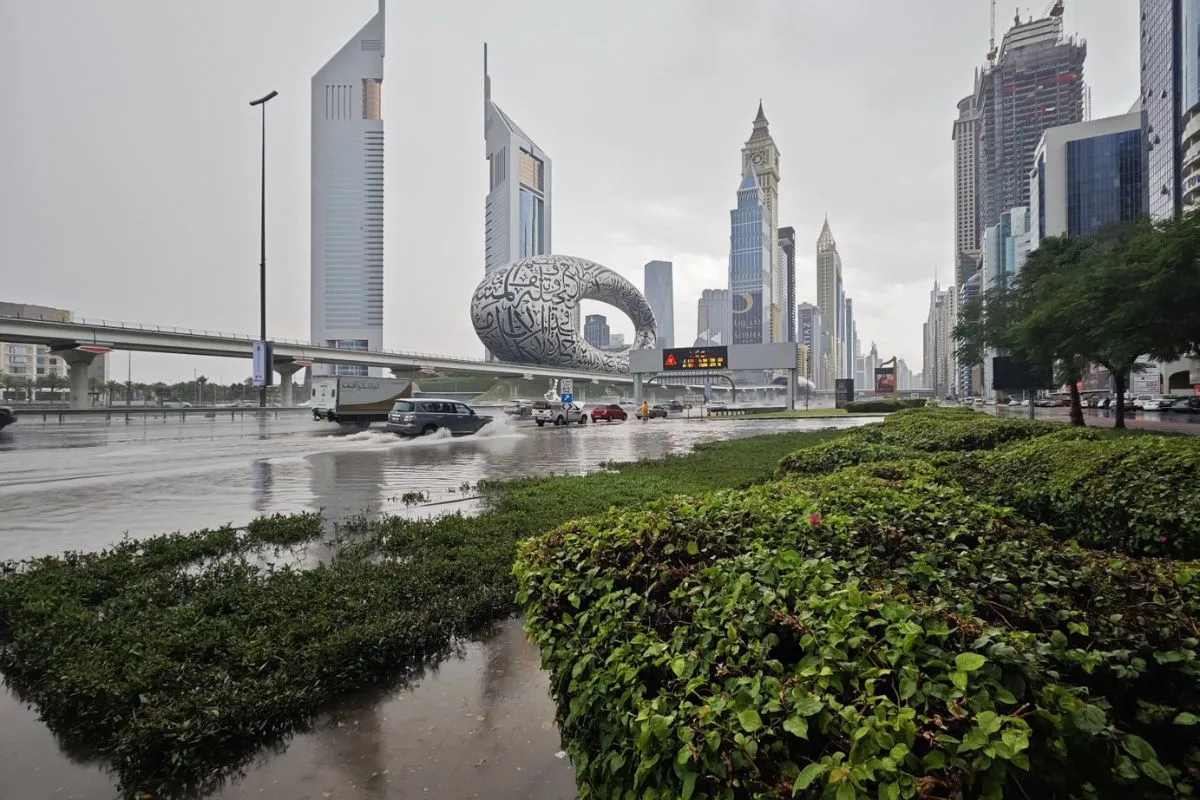
Dubai is one of the most visited cities in the world. Known for its luxury lifestyle, modern skyline, shopping festivals, and desert adventures, the city welcomes millions of tourists every year. But there is one factor that plays a bigger role than most travelers realize: the climate. Dubai’s hot desert climate has a direct impact on tourism patterns, influencing when visitors come, what they do, and even how long they stay.
In recent years, climate has not only shaped peak travel seasons but has also started to affect long-term planning in the tourism and hospitality industry. From rising temperatures to shifting global travel habits, climate is now central to Dubai’s story.
Dubai’s calendar is strongly linked to its weather. The period between November and March is considered the peak season. During these months, temperatures average between 20°C to 30°C, making it perfect for outdoor activities like desert safaris, beach holidays, shopping festivals, and cultural tours.
This cooler period also overlaps with major events such as the Dubai Shopping Festival, Dubai World Cup, and New Year celebrations, which attract millions of visitors. Hotels, airlines, and restaurants report their highest occupancy rates during this time, and the city comes alive with international tourists seeking a winter escape.
For many travelers from Europe, North America, and Asia, Dubai offers warm sunshine when their own countries face cold, snowy winters. This seasonal contrast gives Dubai a natural advantage as a winter holiday destination.
The story is very different in summer, from June to September. With daytime temperatures often rising above 40°C and humidity levels making outdoor activities uncomfortable, slows down. Many international tourists avoid visiting Dubai during this period.
However, Dubai has turned this challenge into an opportunity by developing strong indoor options. Air-conditioned malls, theme parks, aquariums, ski resorts like Ski Dubai, and cultural centers provide year-round entertainment. Summer promotions and discounted hotel rates also encourage regional travelers from neighboring Gulf countries to visit.
Still, compared to the cooler months, the summer season remains less busy, showing how strongly climate affects tourist numbers.
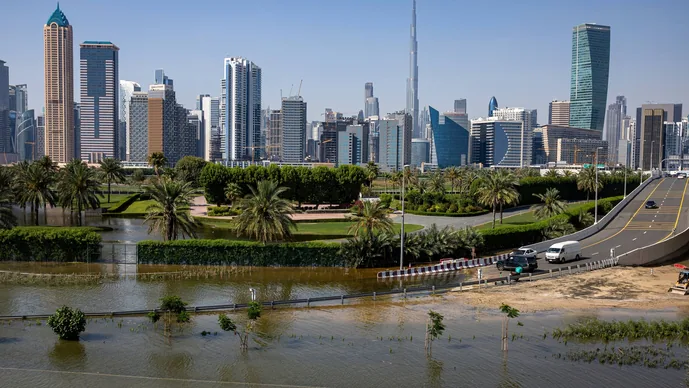
While Dubai’s tourism has always been linked to weather patterns, climate change is adding a new layer of complexity. Rising global temperatures mean summers may get hotter and longer, affecting outdoor tourism and making the peak season shorter. Heatwaves in recent years have already shown how sensitive can be to sudden climate shifts.
At the same time, global travelers are becoming more aware of sustainability. Many tourists now prefer destinations that invest in green practices and climate resilience. For Dubai, this means its future tourism growth will depend not just on luxury and entertainment but also on how it adapts to climate challenges.
Dubai’s government and tourism authorities are already preparing for a climate-driven future. Several strategies are being used to make tourism more climate-friendly and resilient:
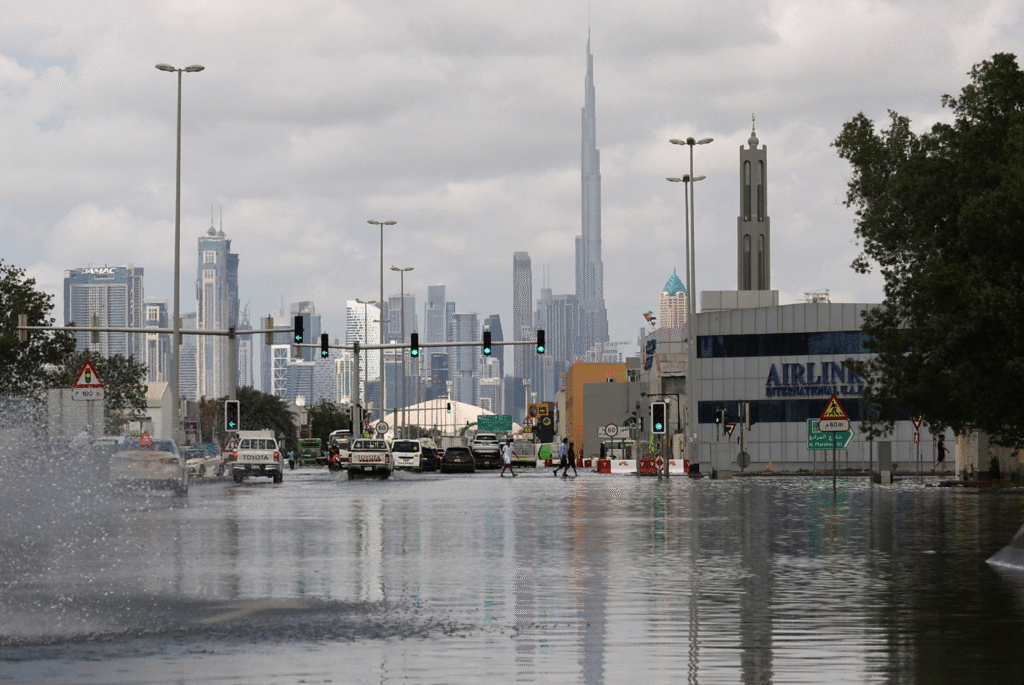
Climate not only impacts when tourists visit Dubai but also what they choose to do. During cooler months, demand for desert safaris, open-air dining, beach resorts, and adventure activities is very high. Tourists love outdoor sightseeing, old Dubai walking tours, and visiting landmarks like Burj Khalifa and Miracle Garden.
In contrast, during the hotter months, tourists spend more time in malls, luxury resorts, spas, and indoor attractions. Families often choose theme parks and aquariums, while business travelers make use of world-class conference facilities.
Interestingly, the rise of wellness tourism in Dubai is also linked to climate. Many visitors now come to enjoy spas, wellness retreats, and medical tourism packages that are not affected by outdoor weather conditions.
Dubai’s tourism is also shaped by climate conditions in other countries. For example, when European winters are harsher, more tourists travel to Dubai for sunshine. Similarly, heatwaves in other regions sometimes push travelers to seek destinations with advanced cooling infrastructure, giving Dubai an advantage.
The city’s position as a global aviation hub also helps. Dubai International Airport connects travelers from all continents, meaning that seasonal climate shifts in multiple regions impact its visitor flow.
Dubai’s ability to adapt to climate will be crucial for its future as a top global destination. While climate has always influenced tourism patterns, the added pressure of climate change requires more innovation and sustainable planning.
The emirate is already moving in this direction by expanding year-round indoor attractions, promoting eco-tourism, and investing in green hospitality. If Dubai successfully balances climate challenges with smart tourism development, it can continue to grow as one of the world’s most resilient and attractive destinations.
For now, tourists planning a visit to Dubai should always check the weather, choose the right season for their activities, and enjoy the city’s unique mix of desert, luxury, and modern entertainment because in Dubai, climate always sets the stage for tourism.
READ MORE:- Shobha Realty Launches Its Most Luxurious Project Yet—Full Details Inside 2025