
The real estate industry is evolving at an unprecedented pace. What once was a traditional sector driven by personal connections, physical visits, and manual paperwork is now being transformed by cutting-edge technology and artificial intelligence. From property search to investment analysis, AI and digital platforms are reshaping every aspect of real estate, creating smarter, faster, and more efficient ways to build, buy, and manage properties.
Technology is no longer just an add-on in real estate; it is at the heart of innovation. Online platforms have replaced traditional property listings, allowing buyers and renters to explore thousands of options with a click. Virtual tours, high-resolution images, and 3D modeling have made physical visits optional in many cases, giving people the ability to experience spaces from anywhere in the world.
Blockchain technology is also beginning to revolutionize transactions, providing secure, transparent, and fast ways to record property ownership and manage contracts. Smart contracts eliminate intermediaries, reduce fraud risk, and streamline complex legal processes, making property deals faster and more reliable.
Artificial intelligence is changing the way developers, investors, and buyers approach real estate. AI algorithms can analyze massive datasets to predict property prices, identify emerging markets, and even forecast neighborhood growth. These insights allow investors to make smarter, data-driven decisions and developers to create projects that align with market demand.
AI is also improving customer experiences. Chatbots, virtual assistants, and recommendation engines help users find properties that match their unique preferences. These tools not only save time but also provide a more personalized and seamless experience for buyers and tenants.
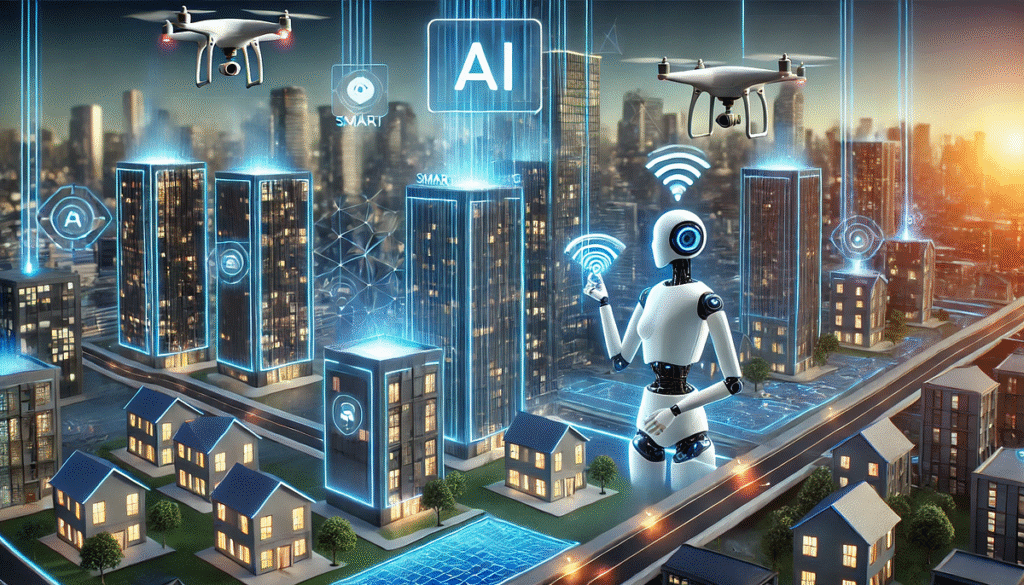
The concept of smart cities is closely tied to AI and real estate innovation. Urban planners and developers are using AI to optimize traffic flows, energy consumption, and public services. By integrating sensors, IoT devices, and predictive analytics, cities can be designed to be more sustainable, efficient, and livable.
Real estate projects are increasingly focusing on creating connected, technology-driven communities. Buildings now include smart lighting, climate control, and security systems that enhance comfort and reduce operational costs. These AI-powered solutions are not just a luxury; they are becoming essential features for modern urban living.
Managing properties has traditionally been labor-intensive and reactive. Today, AI-driven property management platforms can predict maintenance needs, track occupancy trends, and optimize rental pricing. Predictive analytics allow property managers to identify issues before they escalate, improving tenant satisfaction and reducing costs.
Automated systems also improve communication between tenants and property managers. AI chatbots handle inquiries, schedule maintenance, and provide instant updates, reducing delays and human errors. This level of efficiency is transforming property management from a reactive necessity into a proactive strategy.
Investors are increasingly relying on AI to make smarter financial decisions. Machine learning models analyze market trends, rental yields, and historical property performance to identify high-potential investments. AI also assesses risks, such as market volatility, neighborhood safety, or regulatory changes, helping investors make more informed choices.
Crowdfunding and AI-powered investment platforms are making it easier for smaller investors to access real estate markets. These platforms use AI to match investors with projects aligned with their financial goals, democratizing access to high-quality real estate opportunities.
Technology and AI are not only changing how real estate is built and managed but also how it is experienced. Personalized property recommendations, augmented reality tours, and AI-driven interior design suggestions allow buyers to envision their future home with unprecedented accuracy.
This personalization extends to financial planning as well. AI tools can help buyers understand mortgage options, predict future property appreciation, and tailor payment plans to individual financial situations. By removing uncertainty and providing clarity, technology empowers buyers to make confident decisions.
While AI and technology offer immense potential, they also present challenges. Data privacy, cybersecurity, and algorithmic bias are critical issues that developers and regulators must address. Ensuring that AI-driven decisions are transparent and fair is essential to maintain trust in the real estate industry.
Moreover, technology cannot replace human judgment entirely. The human touch—empathy, negotiation skills, and understanding of personal preferences—remains crucial in real estate. The future lies in striking a balance between automation and human insight.
The next decade promises to be transformative for real estate. AI-driven insights will enable smarter city planning, sustainable building practices, and investment strategies tailored to individual needs. Virtual and augmented reality will make property exploration immersive, while blockchain will redefine how ownership and transactions are handled.
Developers, investors, and buyers who embrace technology and AI today will be the leaders of tomorrow’s real estate landscape. The fusion of human creativity and intelligent machines is building a future where properties are not just structures but experiences, communities, and investments optimized for efficiency and growth.
Technology and artificial intelligence are no longer optional in real estate—they are essential tools shaping the industry’s future. From investment analysis to personalized experiences, AI is unlocking possibilities that were unimaginable just a decade ago. As the sector continues to evolve, those who adopt these innovations will not only stay ahead of the competition but also help build smarter, more sustainable, and more connected communities.
The future of real estate is here, and it is powered by technology and intelligence. Those who understand its potential today will shape the cities, homes, and investment opportunities of tomorrow.
Do Follow Estate Magazine on Instagram
Read More:- The Secret Behind Celebrities’ Explosive luxury Real Estate Success Revealed 2025