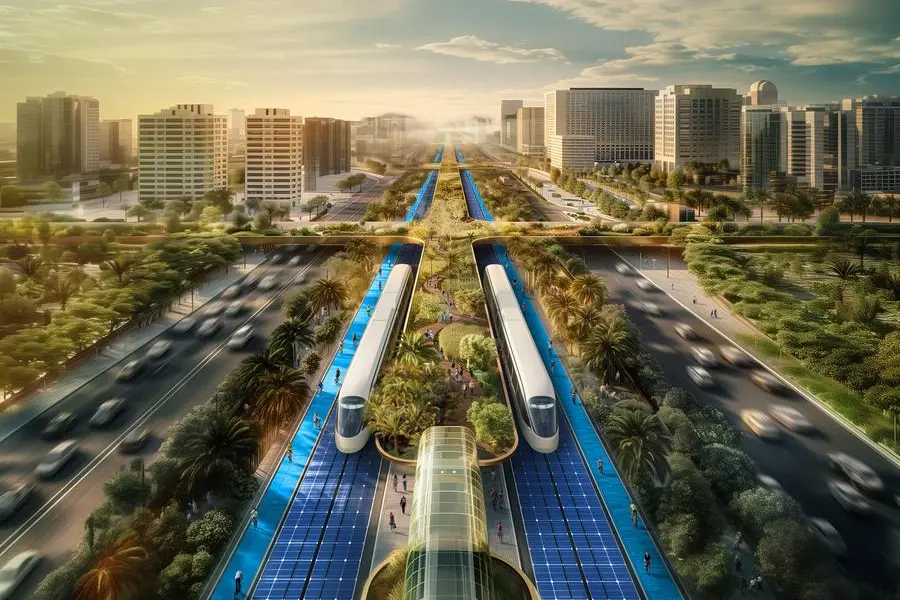
The bustling city of Dubai and the surrounding northern UAE regions are not just known for their stunning skylines and luxurious lifestyle; they are also connected via major transport corridors that enhance accessibility and foster growth. This intricate network of roads, railways, and airways plays a crucial role in linking the Emirates, making travel seamless and efficient. In this article, we will explore how these transport corridors serve as lifelines, fueling economic development and enriching the lives of residents and visitors alike.
Transport corridors are vital for any region’s connectivity. They facilitate the movement of people, goods, and services, impacting economic opportunities and social interactions. In the UAE, the strategic location serves as a gateway between East and West, making its transport corridors particularly significant.
The corridors not only connect Dubai to surrounding areas but also link the UAE to other Gulf Cooperation Council (GCC) countries. This connectivity enhances trade, tourism, and cultural exchange, contributing to the UAE’s status as a global hub.
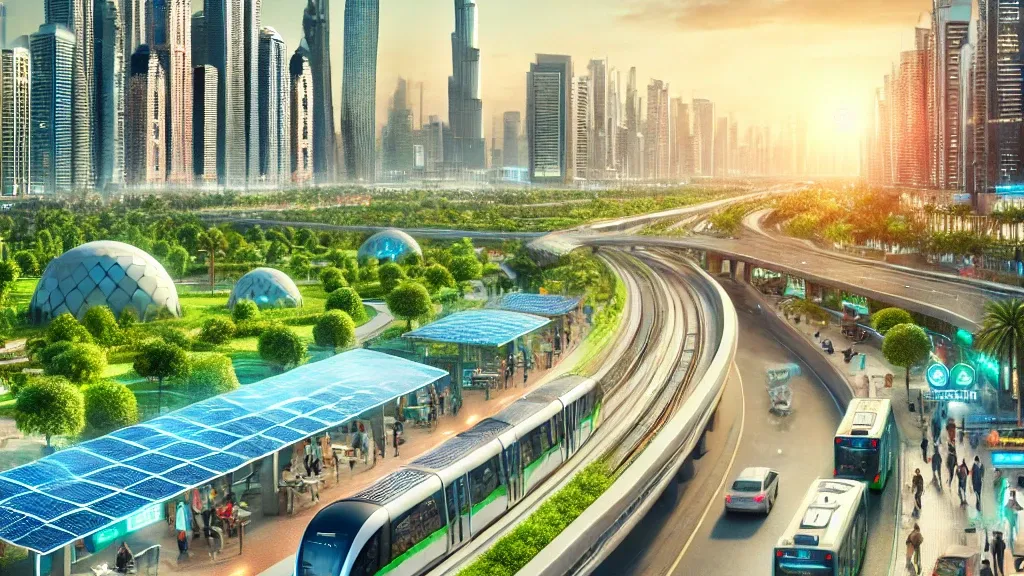
Several major transport corridors are crucial for connecting Dubai and the northern UAE. These corridors include:
Sheikh Zayed Road is one of the most prominent highways in the UAE, stretching from the Saudi Arabian border to Ras Al Khaimah. This major transport corridor runs through Dubai, connecting key areas such as Jumeirah, Downtown Dubai, and the Dubai Marina.
Traveling along this road provides access to major attractions, business districts, and residential communities, making it essential for both locals and tourists. The road is well-maintained and equipped with multiple lanes, ensuring smooth traffic flow despite the high volume of vehicles.
Emirates Road is another crucial transport corridor that connects Dubai to the northern emirates, including Sharjah, Ajman, and Ras Al Khaimah. This highway facilitates easy commuting and transportation of goods between these regions, promoting economic interdependence.
In recent years, Emirates Road has seen significant upgrades, including expansions and enhancements to safety features. These improvements have made it a preferred route for both commercial vehicles and personal transport, further integrating the northern UAE with Dubai.
Al Ain Road serves as a vital transport corridor linking Dubai to Al Ain, known as the “Garden City.” This route is essential for those traveling to the historical and cultural sites in Al Ain, including the Al Ain Oasis and the Sheikh Zayed Palace Museum.
The road also accommodates heavy traffic, particularly during weekends and holidays when families travel to Al Ain for leisure activities. The scenic drive along Al Ain Road provides travelers with a glimpse of the UAE’s beautiful desert landscape, making the journey enjoyable as well as practical.
In addition to road networks, rail links are set to transform the transport landscape in the UAE. The UAE National Rail Network, when fully operational, will connect Dubai with major cities and northern emirates, including Sharjah and Fujairah. This rail initiative aims to reduce travel time and provide a more sustainable mode of transport, significantly enhancing connectivity.
The introduction of the Dubai Metro has already demonstrated how rail systems can alleviate road congestion while providing a reliable means of transportation. As the network expands, it will further integrate Dubai with the northern regions and beyond, making travel more efficient and environmentally friendly.
Dubai International Airport is one of the busiest airports in the world, serving as a major transport corridor for international travelers. Its strategic location allows for easy access to various destinations in the northern UAE and beyond.
With numerous airlines operating from Dubai, including Emirates and flydubai, air travel is a popular choice for those looking to connect with other regions quickly. The airport’s state-of-the-art facilities and seamless connections to ground transport make it an essential part of the UAE’s transport infrastructure.
The connectivity provided by major transport corridors toward Dubai and the northern UAE has a profound impact on the economy. Improved transportation facilitates trade by reducing shipping times and costs, fostering a conducive environment for businesses.
Tourism also benefits significantly from these corridors, as easier access to attractions encourages more visitors. The increased footfall in Dubai and surrounding areas bolsters the hospitality and retail sectors, contributing to overall economic growth.
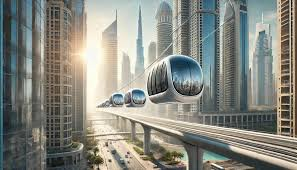
As the UAE continues to evolve, so does its transport infrastructure. Future developments aim to enhance connectivity further, with plans for new roads, rail systems, and smart transport solutions.
Innovations such as autonomous vehicles and integrated transport systems are on the horizon, promising to make travel even more efficient. The UAE’s commitment to sustainability will also drive advancements in eco-friendly transport options, ensuring that connectivity does not come at the expense of the environment.
Being connected via major transport corridors toward Dubai and northern UAE is not just about physical movement; it represents a lifeline that nurtures economic growth, cultural exchange, and personal connections. As the infrastructure continues to develop and innovate, the UAE stands poised to enhance its position as a global hub, offering unparalleled opportunities for residents and visitors alike.
In a region where tradition meets modernity, the transport corridors serve as vital arteries, facilitating the flow of life and commerce. Embracing this connectivity will undoubtedly pave the way for a brighter, more interconnected future for all.
Do Follow Estate Magazine on Instagram
Read More:- One Central Apartments Discover Pantheon Development Living 2026