
Rent in the UAE is one of the biggest expenses for most residents. With Dubai and Abu Dhabi continuing to attract expats, many tenants find themselves paying more each year for the same property. But the good news is rent is not always fixed. Tenants who understand their rights, market trends, and the right way to talk to landlords often succeed in lowering their rent or securing better terms.
Here’s a practical guide on how to negotiate lower rent in the UAE and save money without risking your tenancy.
The UAE real estate market is dynamic. Rental prices often UAE shift depending on demand, location, and supply of new properties. For example, rents in prime areas of Dubai have increased in the last two years, but in some emerging communities, prices remain stable or even fall.
Tenants who stay quiet usually end up paying more than they should. UAE But those who research and negotiate can enjoy significant savings. Negotiating rent is not only about paying less it can also lead to benefits such as:
In a country where rent takes up a large share of monthly income, even a 5–10% reduction makes a real difference.

The first rule of negotiation is to know the market. Before asking your landlord for a discount, check the average rent in your building and neighborhood.
You can do this by:
If you find similar properties at lower rates, you have a strong case to request a rent reduction.
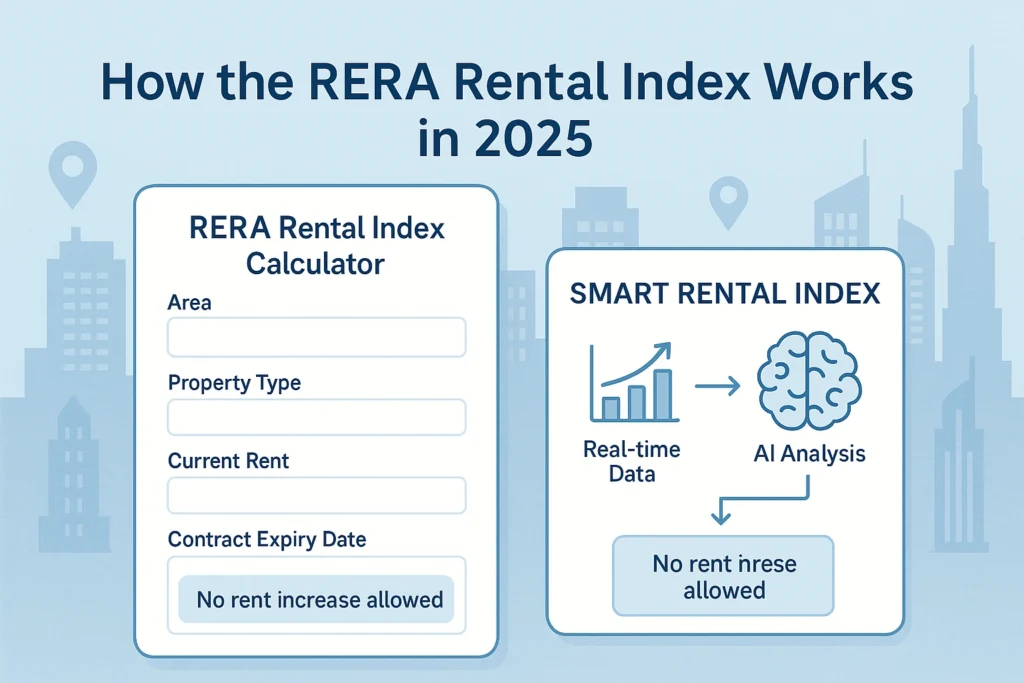
In Dubai, rent adjustments are governed by the RERA Rental Index. This official calculator helps tenants and landlords know if an increase or decrease in rent is justified.
Knowing the law strengthens your position and shows your landlord that you are informe

Landlords prefer reliable tenants who pay on time and take care of the property. Use this to your advantage during negotiation.
You can remind your landlord of:
For many landlords, keeping a good tenant is better than risking vacancy or dealing with new renters.
Sometimes landlords may not agree to cut the rent, but you can still ask for other benefits that save money, such as:
This way, even if the rent stays the same, your overall cost of living reduces.

Timing matters in negotiations. The best time to request a lower rent is a few months before your contract renewal. This gives the landlord enough time to consider your request, instead of rushing them at the last minute.
Also, if you know the market is slow, or if there are many vacant apartments in your area, you are more likely to succeed.

Many tenants make the mistake of being too aggressive when asking for a discount. A polite and professional approach works far better.
Tips for success:
Remember, landlords also have costs to cover, and a respectful negotiation increases your chances of success.
Even after trying, your landlord may not agree to reduce the rent. In that case, you have two choices:
Sometimes, simply showing that you are willing to leave can push landlords to reconsider. A vacant property can cost them more than offering you a discount.
Knowing your rights makes negotiations smoother. Key points to remember:
Being aware of the law ensures you are not pressured into paying more than you should.
Negotiating rent in the UAE is not about confrontation it’s about creating a win-win situation for both tenant and landlord. With proper research, respectful communication, and knowledge of your rights, you can often secure a better deal.
As living costs rise, saving even a small percentage on rent gives tenants more financial breathing space. For landlords, keeping trustworthy tenants also reduces risk.
So, the next time your lease renewal approaches, don’t be afraid to ask. The simple act of negotiation could save you thousands of dirhams each year.
READ MORE:- Inside the World of Business Acquisitions: Secrets of Corporate Growth 2025