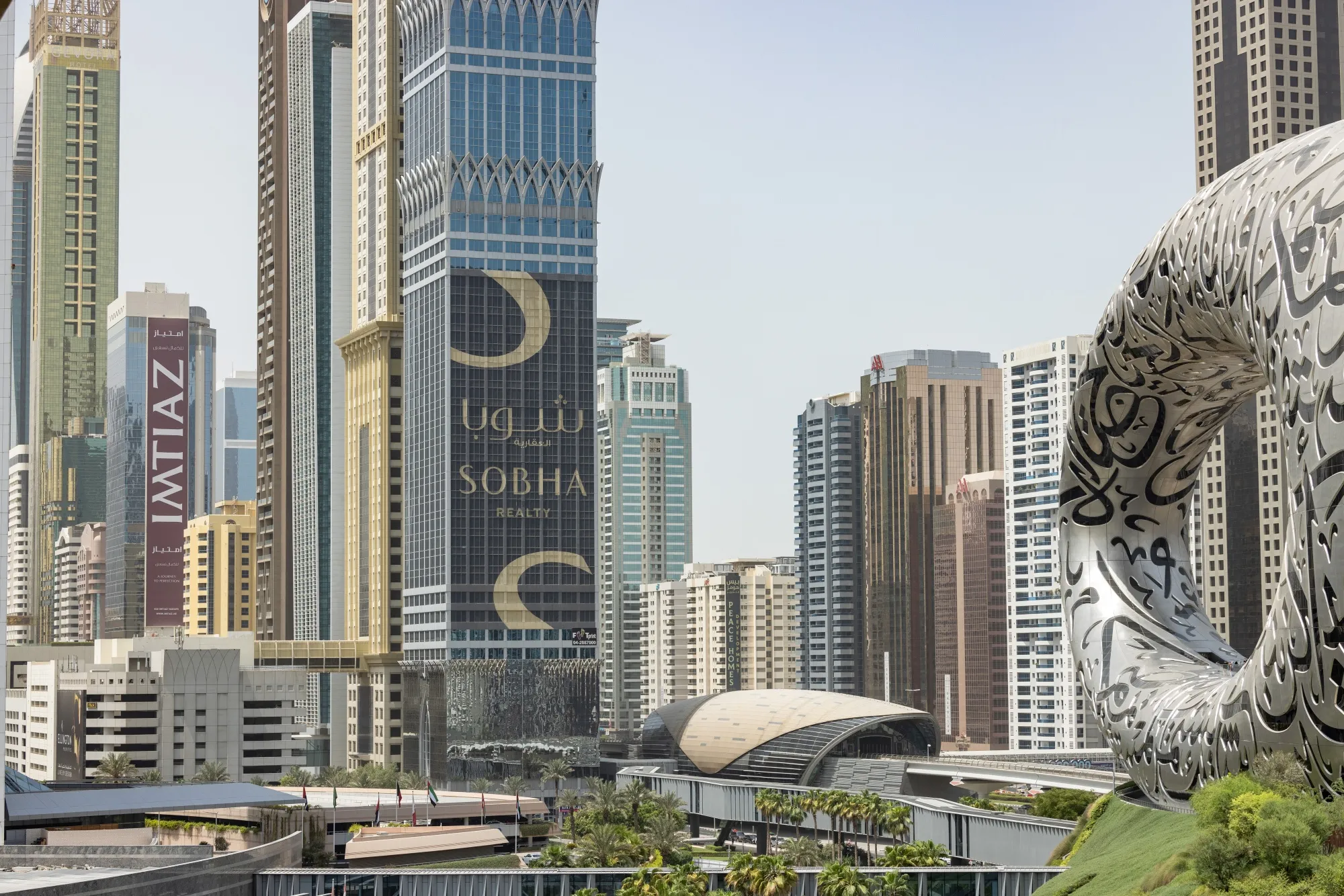
The United Arab Emirates UAE is steadily becoming a global leader in sustainability, not just through renewable energy projects and green architecture but also through its advanced waste management systems. Across cities like Dubai, Abu Dhabi, Sharjah, and Ras Al Khaimah, a new generation of sustainable waste facilities is transforming how waste is handled, recycled, and reused. These facilities are helping the UAE move closer to its vision of a zero-waste and circular economy by 2050.
As urban populations continue to grow, waste generation increases as well. The UAE produces millions of tonnes of solid waste each year, and managing this waste sustainably has become a national priority. The government has set ambitious environmental goals to reduce landfill use, promote recycling, and convert waste into useful energy. Sustainable waste facilities play a crucial role in achieving these goals by reducing environmental pollution, conserving resources, and supporting the circular economy.
In the past, much of the UAE’s waste ended up in landfills, which took up valuable land and emitted greenhouse gases. However, new facilities and strategies now focus on reducing waste at the source and recovering value from discarded materials. The approach is not only environmentally friendly but also economically beneficial, creating new jobs and industries in the green sector.
Dubai has become one of the pioneers of waste management innovation in the region. The Dubai Municipality has launched several initiatives aimed at transforming waste into resources. One of the most significant projects is the Dubai Waste Management Centre in Warsan, which is among the largest waste-to-energy facilities in the world.
Once fully operational, the facility will process around 5,600 tonnes of solid waste every day and convert it into 200 megawatts of clean energy, enough to power 135,000 homes. This project will help divert up to 90 percent of the city’s waste from landfills, significantly reducing carbon emissions.
Dubai is also promoting waste segregation at the source. Smart bins and collection systems allow residents to separate recyclables such as plastics, glass, and paper. The city’s digital platforms also educate the public about sustainable practices and provide updates on waste collection schedules, helping to encourage community participation.
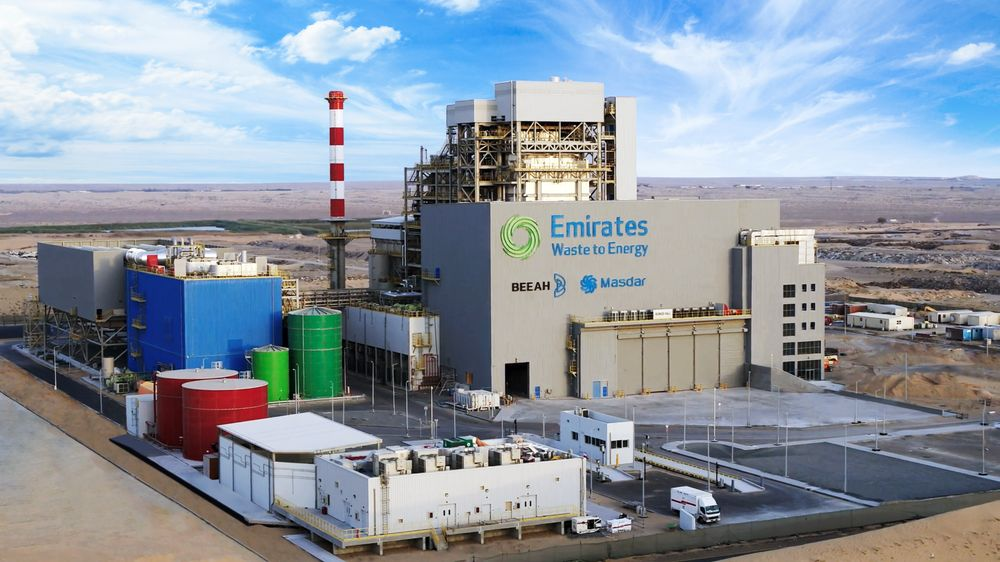
Sharjah has earned a reputation as one of the most sustainable cities in the UAE due to its advanced waste recycling system. Bee’ah, an environmental management company based in Sharjah, has set a strong example for the region. Its Material Recovery Facility is one of the largest in the Middle East, capable of processing thousands of tonnes of waste daily.
Through advanced sorting technologies, the facility recovers valuable materials such as metals, plastics, and paper for recycling. Bee’ah also runs educational campaigns to raise public awareness about waste segregation and responsible disposal. The company’s efforts have resulted in Sharjah achieving a waste diversion rate of more than 75 percent, making it one of the cleanest cities in the region.
Sharjah’s Waste-to-Energy plant, a collaboration between Bee’ah and Masdar, further adds to the city’s sustainability achievements. The plant processes non-recyclable waste and converts it into enough energy to power thousands of homes. This project is a perfect example of how technology and sustainability can work together for a cleaner future.
The capital city of the UAE has also taken major steps toward achieving sustainable waste management. Abu Dhabi Waste Management Company, known as Tadweer Group, is leading the charge with projects that support recycling, composting, and waste-to-energy conversion.
Tadweer operates modern facilities for sorting, treating, and recycling various types of waste, including construction debris, food waste, and hazardous materials. Abu Dhabi has also implemented strict regulations to encourage recycling and minimize single-use plastics.
One of Abu Dhabi’s most ambitious projects is the planned Waste-to-Energy plant in partnership with Emirates Water and Electricity Company. Once operational, it will process more than 900,000 tonnes of waste each year, reducing landfill use and generating enough electricity to power 22,000 homes.
Additionally, the city promotes the use of recycled materials in infrastructure projects, such as roads and buildings, further contributing to its sustainability goals.
Ras Al Khaimah, though smaller in size compared to Dubai and Abu Dhabi, has made notable progress in developing sustainable waste management systems. The Ras Al Khaimah Waste Management Agency focuses on increasing recycling rates and reducing landfill dependence.
The emirate has introduced community recycling centers, composting programs, and awareness campaigns to encourage residents to take part in environmental preservation. By combining local initiatives with modern technology, Ras Al Khaimah aims to achieve a 75 percent waste diversion rate by 2025.
Technology plays a central role in the UAE’s sustainable waste management revolution. Smart systems, artificial intelligence (AI), and automation have made waste sorting, tracking, and recycling far more efficient.
In some cities, smart bins equipped with sensors monitor waste levels and send alerts to collection services, optimizing pickup routes and reducing carbon emissions. AI-powered sorting machines can identify and separate recyclable materials faster than traditional methods, improving the overall efficiency of recycling facilities.
Moreover, waste-to-energy technology is becoming increasingly important. By converting waste that cannot be recycled into energy, the UAE reduces its landfill burden and generates clean power at the same time.
No waste management system can succeed without public participation. The UAE’s government, private sector, and environmental organizations are working hand in hand to educate residents about waste segregation and recycling.
Public campaigns, school programs, and community events are helping to instill environmental awareness among people of all ages. The goal is to create a culture of sustainability where every household and business takes responsibility for managing waste responsibly.
In Dubai, initiatives like “My City My Environment” encourage citizens to sort waste into color-coded bins. Sharjah’s Bee’ah School of Environment reaches thousands of students every year with lessons on environmental protection. Abu Dhabi’s Tadweer also conducts awareness drives to promote responsible disposal and recycling habits.
The UAE government encourages private companies to invest in the waste management sector. Several partnerships have been formed between local authorities and global sustainability firms. These collaborations bring expertise, innovation, and funding to large-scale projects that benefit the environment and economy alike.
Bee’ah’s partnership with Masdar for the Sharjah Waste-to-Energy plant, and Dubai’s collaboration with international firms for the Warsan project, are prime examples of how public-private partnerships are driving progress.
Additionally, companies across the hospitality, retail, and construction sectors are adopting waste reduction measures, such as minimizing packaging, recycling materials, and reusing construction debris. These collective efforts strengthen the UAE’s overall environmental performance.
The UAE’s long-term vision for waste management goes beyond recycling and energy generation. The focus is shifting toward a full circular economy where products and materials are reused continuously, reducing the need for raw materials.
This approach not only helps the environment but also promotes innovation and economic growth. The UAE Circular Economy Policy 2021–2031 provides a strategic framework to support this transition, emphasizing sustainable production, consumption, and resource management.
Despite remarkable progress, challenges remain. Rapid urbanization continues to increase waste production, and ensuring consistent recycling habits across all communities can be difficult. Some areas still lack advanced recycling infrastructure or face logistical challenges in collecting and sorting waste efficiently.
However, ongoing government commitment, technological investment, and strong community engagement are gradually overcoming these hurdles. The UAE’s focus on innovation and sustainability ensures that progress will continue at a steady pace.
In the near future, we can expect more advanced facilities, expanded recycling programs, and improved policies that promote sustainable living. As the UAE continues its journey toward zero waste, its model is likely to inspire other countries in the Middle East and beyond.
Sustainable waste facilities in UAE cities are playing a key role in transforming the nation’s environmental future. From Dubai’s world-class waste-to-energy plant to Sharjah’s high recycling rate and Abu Dhabi’s advanced systems, the UAE is setting new benchmarks in waste management and sustainability.
With strong government policies, private sector collaboration, and active citizen participation, the country is well on its way to achieving its vision of a cleaner, greener, and more sustainable future. The UAE’s journey shows that with the right blend of innovation, awareness, and commitment, waste can truly become a valuable resource for progress.
Do Follow Estate Magazine on Instagram
Read More:- UAE’s Inspiring Steps to Build Truly Accessible Cities for All 2025