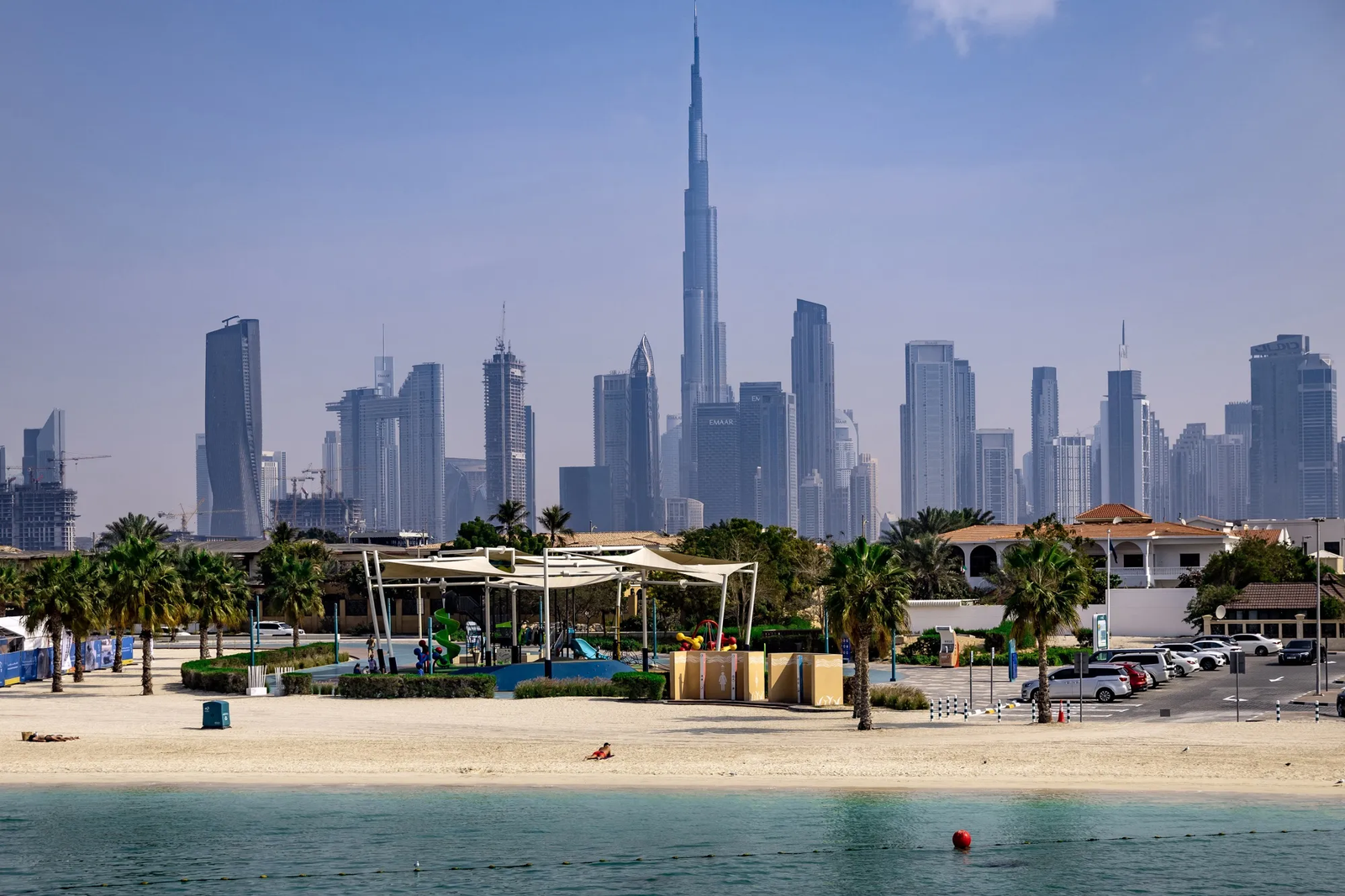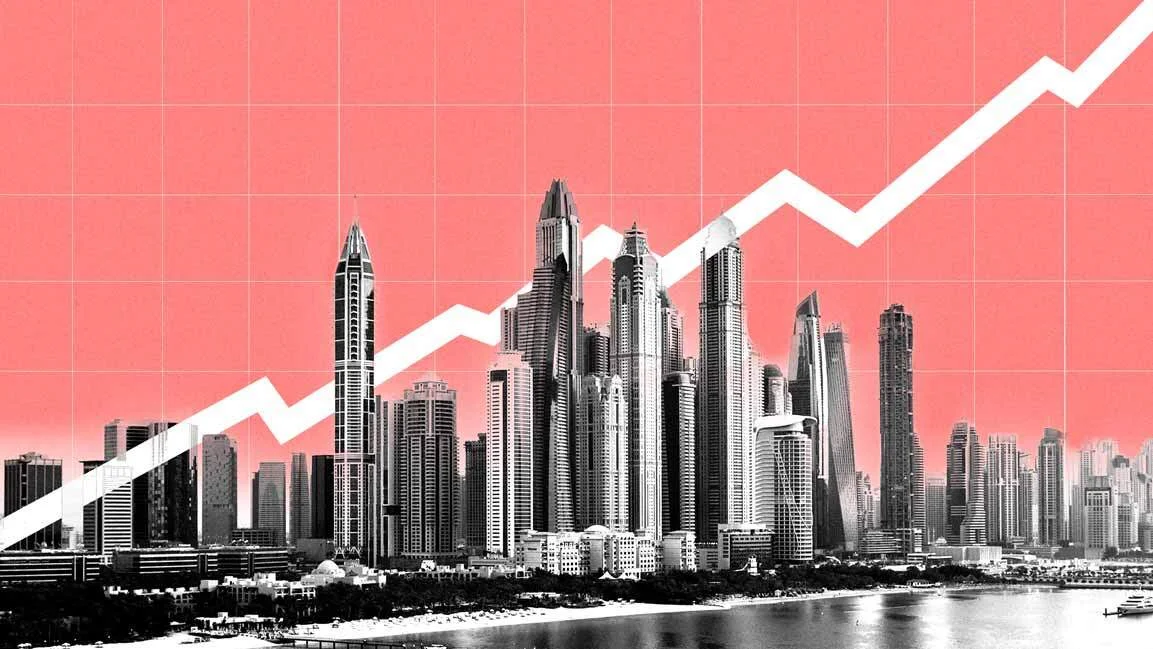
The United Arab Emirates (UAE) has long been recognized as a beacon of economic growth and innovation in the Middle East. As we look towards 2025 and beyond, understanding the UAE economic trajectory becomes crucial for investors, businesses, and policymakers alike. This article will delve into the factors shaping the UAE’s future economy, exploring key sectors, initiatives, and challenges that lie ahead.
At the core of the UAE’s economic strategy is Vision 2021, a comprehensive plan aimed at transforming the nation into a knowledge-based economy. This vision focuses on enhancing the quality of life for its citizens and residents. By investing in education, healthcare, and sustainable infrastructure, the UAE aims to diversify its economy beyond oil dependency.
The UAE has made significant strides in developing sectors such as tourism, renewable energy, and technology. These developments are set to create numerous opportunities for businesses and foreign investors, positioning the UAE as a global hub for innovation and commerce.
The UAE’s commitment to technology and innovation is a cornerstone of its economic trajectory. Initiatives like the National Innovation Strategy aim to position the UAE among the most innovative countries in the world. Investments in artificial intelligence, blockchain, and smart city technologies are expected to enhance productivity and efficiency across various sectors.
The integration of technology in traditional industries is also revolutionizing sectors like finance and logistics. With the rise of fintech solutions and e-commerce platforms, the UAE is poised to lead the digital transformation in the region.
As we look toward 2025, several key industries are expected to play a pivotal role in the UAE’s economic growth:
The UAE has established itself as a premier tourist destination, attracting millions of visitors each year. Major events, such as Expo 2020 Dubai, have showcased the UAE’s cultural diversity and innovation, further boosting tourism. The government’s focus on luxury experiences and sustainable tourism will likely continue to drive this sector forward.
With a growing emphasis on sustainability, the UAE is investing heavily in renewable energy projects. The Mohammed bin Rashid Al Maktoum Solar Park and various wind energy initiatives are leading the charge towards a greener economy. This focus on renewables not only addresses environmental concerns but also creates new job opportunities and stimulates economic growth.
The UAE’s financial sector is expanding rapidly, driven by an influx of foreign investment and regulatory reforms. The establishment of financial free zones, such as the Abu Dhabi Global Market and Dubai International Financial Centre, has attracted numerous international companies. This trend is likely to continue as the UAE enhances its reputation as a global financial hub.
While the UAE’s economic trajectory is promising, several challenges must be addressed to ensure sustainable growth. Fluctuations in global oil prices remain a concern, as the economy is still partially reliant on hydrocarbon revenues. Diversifying the revenue streams while maintaining fiscal stability will be critical for long-term success.
Additionally, the UAE faces increasing competition from other emerging markets in the region. Countries like Saudi Arabia and Qatar are ramping up their economic diversification efforts, which could impact the UAE’s attractiveness as a destination for investment.
In an interconnected world, global economic trends will inevitably influence the UAE’s economic trajectory. Factors such as geopolitical tensions, trade agreements, and technological advancements can create both opportunities and challenges. The UAE’s ability to adapt to these changes will be a vital component of its economic strategy.
As digital transformation accelerates globally, the UAE must remain at the forefront of technological adoption. This will not only improve efficiency but also enhance competitiveness in an increasingly globalized market.
The UAE’s economic trajectory in 2025 is just a stepping stone towards the ambitious goals set for 2030 and beyond. By continuing to invest in innovation, infrastructure, and human capital, the UAE aims to solidify its position as a leading global economy.
Strategic collaborations with international partners and a commitment to sustainability will be essential in navigating the future landscape. As the UAE embraces new technologies and industries, it will create a more resilient and dynamic economy.
The UAE economic trajectory in 2025 and beyond offers a wealth of opportunities for growth and innovation. By focusing on diversification, technological advancement, and sustainable practices, the UAE is well-positioned to thrive in an ever-changing global economy. The coming years will be crucial in shaping the future of this vibrant nation, and stakeholders must remain agile and forward-thinking to capitalize on the potential that lies ahead.
Do Follow Estate Magazine on Instagram
Read More:- National Food Security Initiatives: Transforming UAE’s Economy 2026