The United Arab Emirates (UAE) has long been recognized as a powerhouse in the energy sector, primarily due to its vast oil and gas reserves. However, as global dynamics shift and the demand for renewable energy rises, the UAE is taking significant strides towards export diversification beyond energy commodities. This transition is not just a strategic necessity but also an opportunity for growth and innovation.
The volatility of global oil prices highlights the risks associated with an economy heavily reliant on energy commodities. The UAE is aware that future sustainability hinges on diversification. By reducing dependency on oil and gas, the nation can enhance its economic resilience and create a more balanced economic landscape.
A diversified export portfolio can shield the UAE from economic shocks, provide new employment opportunities, and foster innovation in various sectors. The government is keenly aware that this is not merely an option but a vital strategy for long-term prosperity.

As the UAE looks to diversify its exports, several sectors are emerging as vital players in this transformative journey.
The manufacturing sector is at the forefront of the UAE’s diversification strategy. With a focus on advanced technology and innovation, the country is investing heavily in industries such as aerospace, automotive, and electronics. The establishment of free zones and industrial parks is attracting both local and international businesses, fostering a robust manufacturing ecosystem.
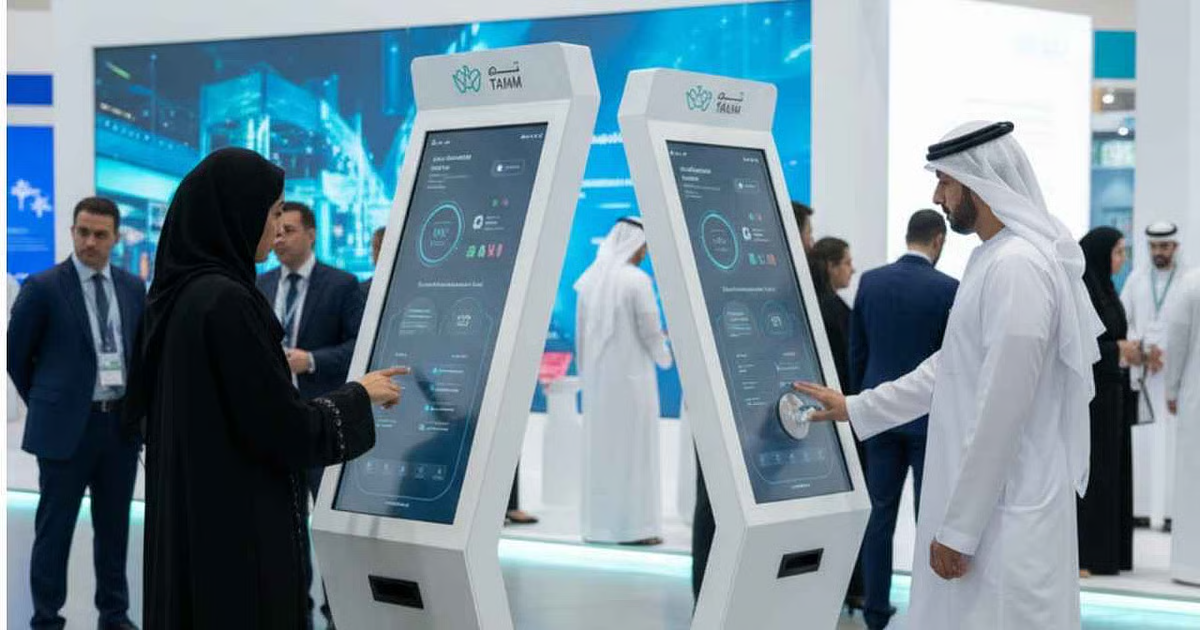
Embracing the digital revolution is another key aspect of the UAE’s diversification. The nation is positioning itself as a hub for technology and innovation, encouraging startups and tech companies to flourish. Initiatives such as the Dubai Silicon Oasis and Abu Dhabi’s Hub71 are designed to nurture entrepreneurship and attract global talent.
Tourism is yet another sector where the UAE is making significant inroads. While the country is already a global tourist destination, efforts are being made to expand beyond traditional attractions. The focus is shifting towards cultural tourism, eco-tourism, and adventure tourism, which not only enhance the visitor experience but also create diverse revenue streams.
With climate change impacting global food supply chains, the UAE is prioritizing food security by investing in agricultural technology and sustainable practices. The aim is to reduce reliance on imported food products and enhance local production capabilities, which is crucial for achieving long-term sustainability.
While the UAE is making commendable progress in export diversification beyond energy commodities, challenges remain.
A significant challenge is the need for robust infrastructure to support growth in diverse sectors. While the UAE has made substantial investments in infrastructure, continual upgrades and expansions are essential to keep pace with the demands of a diversified economy.
As industries evolve, so do the skills required to thrive in them. The UAE must focus on education and training programs to equip the workforce with the necessary skills for emerging sectors. This will ensure that the local population is ready to participate in and benefit from the diversification efforts.
As the UAE steps into new sectors, it will inevitably face competition from established players. Creating a unique value proposition in each sector is crucial to ensuring that the UAE remains competitive on a global scale.
The UAE government is actively supporting export diversification beyond energy commodities through a variety of initiatives. Policies aimed at fostering innovation, such as the UAE Vision 2021 and the National Innovation Strategy, are laying the groundwork for a more diverse economy. These initiatives not only provide funding and resources but also create an environment that encourages creativity and entrepreneurship.
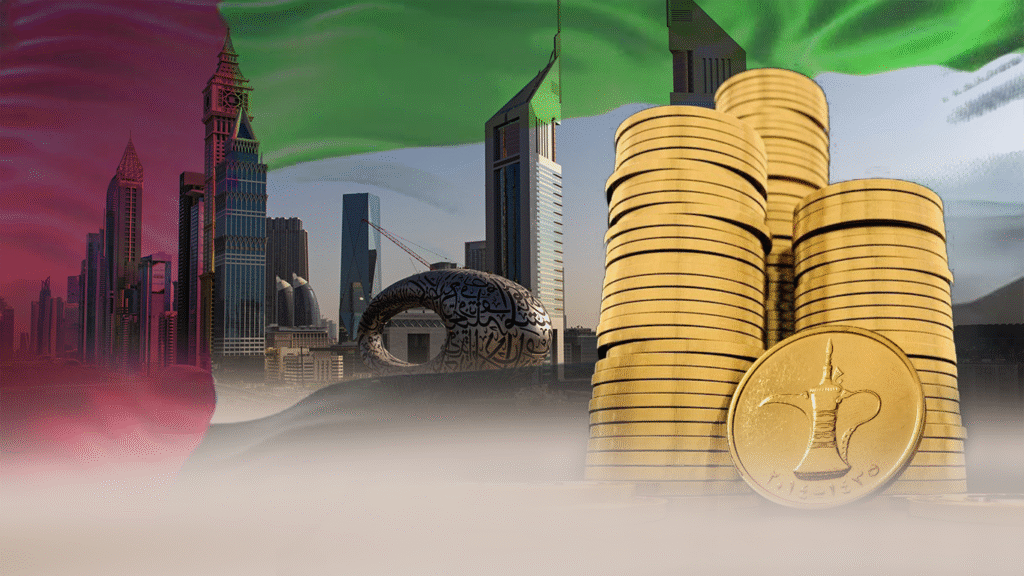
Building partnerships with international businesses and organizations is another strategy being employed. By collaborating with global leaders in technology, manufacturing, and tourism, the UAE can leverage expertise and resources to accelerate its diversification efforts.
Looking ahead, the future of UAE exports lies in its ability to innovate and adapt. As the world moves towards renewable energy sources and sustainable practices, the UAE has the opportunity to lead in sectors like green technology and sustainable agriculture.
An emphasis on research and development will be essential to maintaining competitiveness and driving growth. By investing in innovation, the UAE can position itself at the forefront of emerging markets.
In conclusion, the UAE’s journey towards export diversification beyond energy commodities is a testament to its resilience and forward-thinking approach. While challenges exist, the commitment to embracing innovation and fostering new sectors is paving the way for a sustainable economic future. By building on its strengths and focusing on diversification, the UAE is not only securing its economic stability but also setting an inspiring example for other nations.
Do Follow Estate Magazine on Instagram
Read More:- Consumer Goods Market Booyah: Performance Amid Economic Growth Explained 2026