
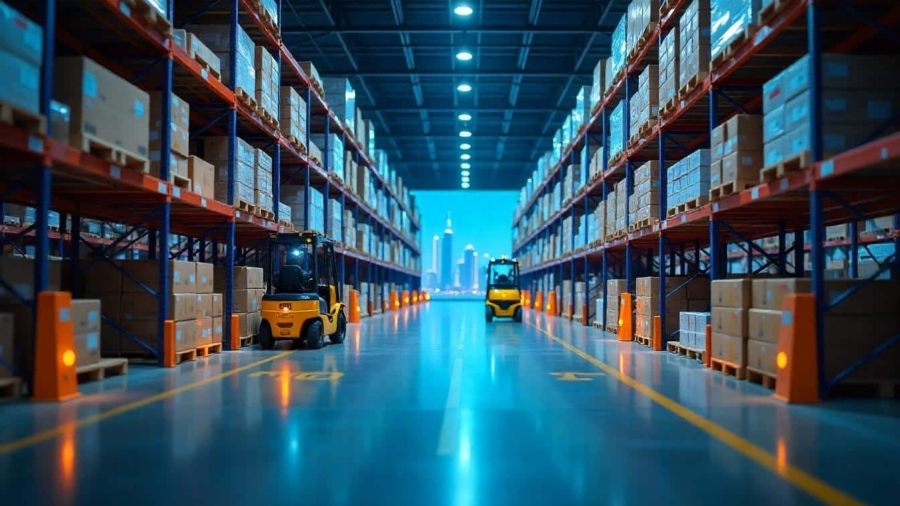
In recent years, the logistics and last-mile warehouse sector in the UAE has emerged as a pivotal player in the business landscape. As e-commerce surges and consumer expectations evolve, the demand for efficient logistics solutions and strategically located last-mile warehouses has never been more pronounced. This article will explore how logistics and last-mile warehouses are carving out a new commercial frontier in the UAE, addressing market corrections and the potential for sustained growth.
Last-mile delivery refers to the final leg of the logistics journey, where products are transported from a distribution center to the end customer. This stage is crucial, as it directly impacts customer satisfaction and overall delivery efficiency. In the UAE, where urbanization is rapid and online shopping is booming, the logistics sector faces unique challenges.
Efficiently navigating congested urban environments, managing delivery times, and ensuring cost-effectiveness are all part of the last-mile challenge. Companies are increasingly recognizing that investing in last-mile warehouses can significantly streamline operations and enhance customer experiences.

As the demand for quicker deliveries continues to rise, the importance of strategically located last-mile warehouses cannot be overstated. The UAE’s geographical advantage, positioned at the crossroads between Europe, Asia, and Africa, makes it an ideal hub for logistics companies.
Last-mile warehouses in urban areas allow businesses to reduce delivery times and optimize routes, leading to higher customer satisfaction. Warehouses located near population centers can help companies meet consumer expectations for rapid delivery, often within hours of placing an order. This trend is driving the establishment of more logistics facilities across the region, signaling a shift in how goods are stored and distributed.
Technological advancements are transforming how logistics and last-mile warehouses operate. Automation, artificial intelligence, and data analytics are becoming essential tools for managing inventory, predicting demand, and optimizing delivery routes.
For example, sophisticated warehouse management systems can facilitate real-time tracking of inventory levels, ensuring that products are readily available when needed. Drones and autonomous vehicles are also beginning to play a role in last-mile delivery, further enhancing efficiency and reducing operational costs.
These technological innovations not only improve operational efficiency but also position businesses to adapt to the ever-changing market dynamics in logistics.
While the outlook for logistics and last-mile warehouses in the UAE is promising, the industry is not without its challenges. Economic fluctuations, regulatory changes, and competition can impact the growth trajectory of this sector.
Market correction refers to the period where supply and demand realign after a phase of rapid growth or decline. As companies invest heavily in logistics infrastructure, it is essential to ensure that supply does not outpace demand. This balance is crucial to maintain sustainable growth in the long term.
Logistics companies must remain agile, adapting their strategies to market conditions while continuing to innovate in their operations. As the UAE’s economic landscape evolves, understanding these dynamics will be critical for businesses looking to thrive.

The future of logistics and last-mile warehouses in the UAE looks bright, driven by a blend of technological innovation and a growing emphasis on sustainability. As consumers become more environmentally conscious, logistics companies are exploring greener alternatives, such as electric delivery vehicles and eco-friendly packaging.
Moreover, collaboration between logistics providers and e-commerce businesses is becoming increasingly important. By working together, these entities can create a seamless customer experience that places them a step ahead of the competition.
As the UAE continues to position itself as a global trade hub, the logistics sector will play a vital role in supporting this vision. The integration of advanced technologies, coupled with strategic location advantages, will undoubtedly shape the future of logistics and last-mile warehouses in the region.
In conclusion, logistics and last-mile warehouses are redefining the commercial landscape in the UAE. The rapid growth of e-commerce, coupled with advancements in technology and the need for efficient delivery solutions, underscores the importance of this sector.
As businesses navigate the challenges of market corrections and seek sustained growth, investing in logistics infrastructure and last-mile warehouses will be crucial. By embracing this new commercial frontier, companies can enhance their operational efficiency, meet consumer demands, and ultimately thrive in a competitive market.
Do Follow Estate Magazine on Instagram
Read More:- Commercial Real Estate Financing in UAE: 7 Powerful Growth Options