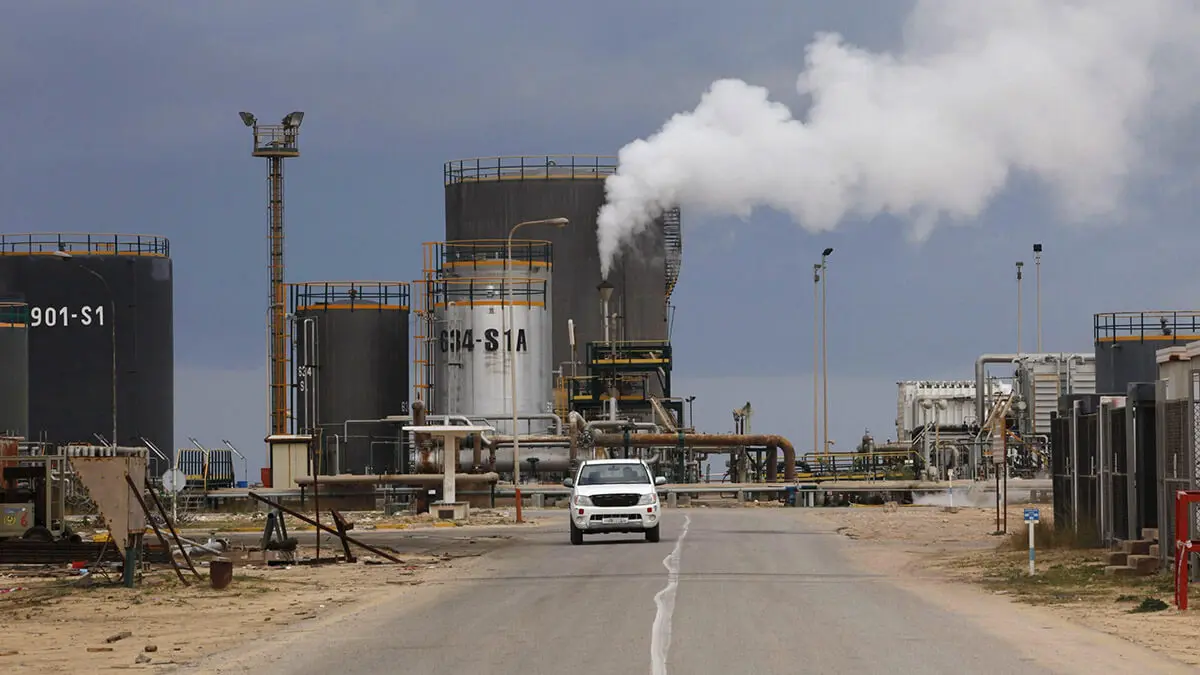
The UAE’s financial markets faced a notable downturn this week, reflecting growing investor anxiety over the fluctuating oil supply landscape. Stocks across key sectors, including energy, banking, and real estate, saw moderate losses as market participants recalibrated their positions in response to global oil dynamics.
Analysts say that the uncertainty around oil production and supply adjustments has created a ripple effect, influencing both local and regional trading behavior. Investors, who have long relied on the stability of oil revenues to gauge market performance, are now rethinking strategies, leading to increased volatility in equity prices.
Oil, a crucial pillar of the UAE economy, has been witnessing shifting supply prospects due to multiple global factors. From geopolitical tensions to unexpected production changes in key exporting nations, the market is experiencing uneven supply flows. This has led to price swings that directly affect investor sentiment in the UAE.
Energy companies listed on the local exchanges were among the hardest hit, as fluctuations in crude oil prices challenge profit forecasts. Market watchers emphasize that even a marginal shift in production levels or export policies can trigger significant market reactions, underscoring the interconnectedness of the UAE economy with global oil markets.
The ripple effect of oil market volatility has not been limited to energy stocks. Banking and finance sectors, which rely on economic stability and investor confidence, also experienced declines. Share prices of major banks showed minor yet consistent dips as investors weighed potential risks linked to economic slowdowns or reduced corporate lending capacity.
Financial analysts point out that the UAE banking sector is particularly sensitive to commodity price changes. Lending, investment portfolios, and asset valuations are often tied to the broader economic outlook shaped by oil revenue forecasts. This cautious approach reflects a short-term focus on capital preservation amid uncertainty.
Real estate, another cornerstone of the UAE’s economy, showed signs of strain. Residential and commercial property developers reported slower trading volumes, as investors became more risk-averse. Market sentiment is closely linked to disposable income and business confidence, both of which are impacted by fluctuations in oil revenue and investor risk appetite.
Despite these dips, experts suggest that long-term investment prospects remain strong, particularly for prime locations in Dubai and Abu Dhabi. Strategic acquisitions and diversified portfolios are increasingly recommended as a hedge against short-term volatility in the commodity markets.
The UAE government has historically demonstrated resilience in mitigating market instability caused by oil price swings. Initiatives aimed at economic diversification, infrastructure development, and strategic foreign investments continue to provide a buffer for domestic markets.
Authorities are closely monitoring global oil developments, working to balance supply concerns with economic growth. While short-term market dips may trigger caution among investors, policy measures and fiscal prudence have historically restored confidence, even during periods of high uncertainty.

Market sentiment in the UAE remains cautious but not pessimistic. Analysts expect that as oil supply trends become clearer, the markets may stabilize, offering renewed opportunities for investors willing to navigate short-term fluctuations.
Many market participants are adopting a wait-and-watch approach, focusing on resilient sectors such as technology, logistics, and diversified industrials, which are less directly impacted by oil market volatility. This strategic pivot reflects a growing awareness among investors that the UAE economy is gradually expanding beyond its traditional oil reliance.
Investors seeking to navigate the current market environment may consider several strategies:
The dip in UAE markets highlights the ongoing sensitivity of the local economy to global oil supply shifts. While short-term volatility may prompt cautious trading, the UAE’s diversified economic base and strategic policy frameworks provide a strong foundation for recovery. Investors who adopt informed, flexible approaches are likely to navigate the current uncertainty successfully, capitalizing on opportunities as market conditions stabilize.
The unfolding scenario is a reminder that while oil remains a key driver, the UAE’s markets are evolving, offering broader prospects for growth and investment resilience. The key for investors lies in balancing vigilance with strategic foresight, ensuring that temporary dips do not overshadow long-term potential.
Do Follow Estate Magazine on Instagram
Read More:- Bollywood Icon’s Dubai Tower Fetches Unbelievable Rs 5,000 Crore