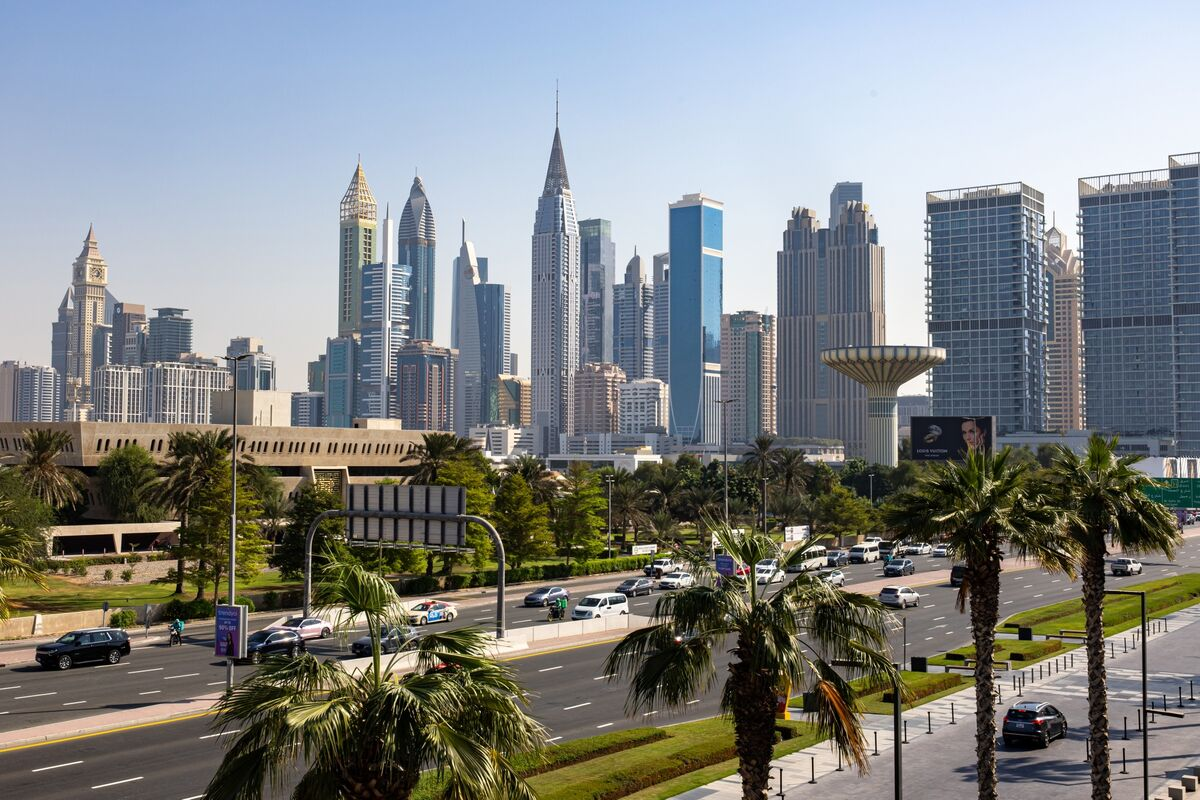
The UAE property market has always been emotional, fast-moving, and deeply aspirational. For many residents, buying a home is no longer just a financial decision. It has become a psychological journey filled with excitement, pressure, ambition, and fear. One feeling dominates conversations across Dubai, Abu Dhabi, and emerging cities: the fear of missing out.
From first-time buyers to long-term tenants, many people now admit they feel “forced” to buy a home. Not because they are fully ready, but because prices keep rising, rents keep increasing, and stories of instant property gains surround them every day. This emotional push, often driven by FOMO, is reshaping how people approach homeownership in the UAE.
The UAE real estate market has entered a phase where emotions play as much of a role as numbers. Conversations at offices, family dinners, and social gatherings often revolve around property wins, rising values, and missed opportunities.
For long-term renters, the pressure feels especially heavy. Rising rents across prime and secondary areas have created a sense of urgency. Tenants who once felt comfortable renewing leases now question whether they are wasting money by not buying.
Many residents share the same concern. Each rent hike feels like a reminder that they could have been paying towards ownership instead. Over time, this builds frustration and anxiety, pushing renters closer to buying decisions driven more by fear than clarity.
Social media, WhatsApp groups, and casual conversations amplify FOMO. Friends talk about buying a property two years ago and seeing its value rise sharply. Colleagues mention off-plan deals that sold out in hours. Headlines highlight record-breaking transactions and investor confidence.
These stories create a powerful narrative. If everyone else is buying and winning, staying on the sidelines feels risky. Even those who prefer to wait start doubting their patience.
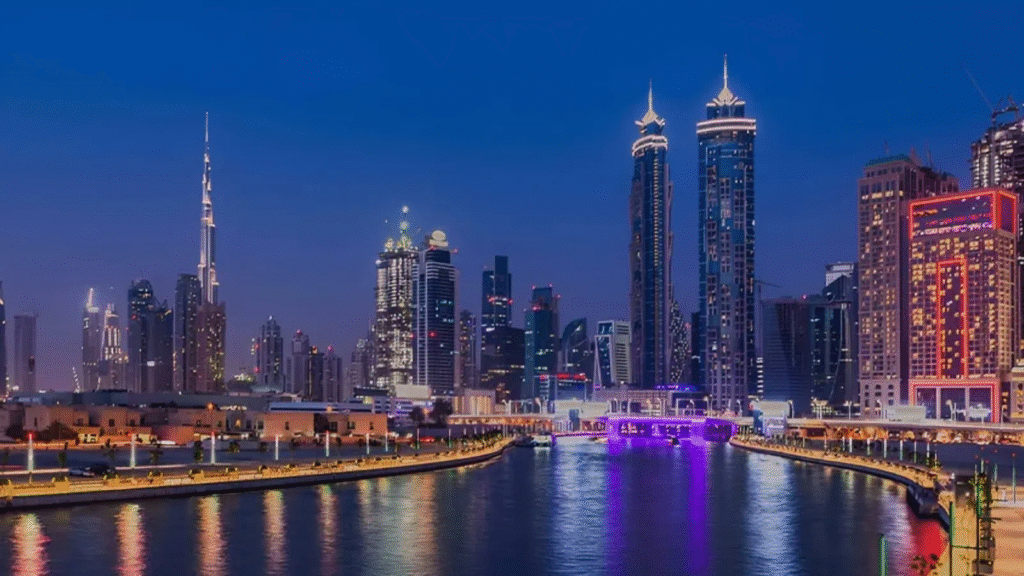
The fear of missing out in UAE property is not random. It is rooted in several structural and emotional factors that have converged at the same time.
Unlike slower global markets, UAE real estate often moves at remarkable speed. New launches sell out quickly. Prices can shift within months. This pace creates the feeling that hesitation equals loss.
Buyers feel they must act fast or risk being priced out forever. The idea of “waiting for the right time” feels increasingly unrealistic in such a dynamic environment.
Golden visas, investor-friendly regulations, and long-term residency options have changed how people see the UAE. Many residents now view the country as a permanent home rather than a temporary stop.
This shift makes buying property feel like a natural next step. When combined with rising prices, the emotional pressure intensifies. People fear that delaying ownership may mean losing their chance to fully belong.
Rental increases have become one of the biggest triggers of FOMO. When tenants face sharp hikes, buying suddenly feels like protection rather than risk.
The logic becomes emotional but compelling. Paying a mortgage feels more stable than unpredictable rent renewals. Even those who are financially cautious start feeling pushed toward ownership for peace of mind.
Behind every rushed buying decision is a quiet internal struggle. Many buyers feel torn between excitement and anxiety, confidence and doubt.
Buying a home promises stability, control, and long-term value. At the same time, it demands commitment, responsibility, and financial discipline.
Buyers often wrestle with questions they hesitate to voice. Am I buying because I truly want this, or because I am scared of missing out? Is this the right home, or just the right moment?
One of the strongest drivers of FOMO is comparison. Seeing peers buy property creates an invisible benchmark for success.
People begin to measure their progress against others, even when circumstances differ. This comparison erodes confidence and pushes individuals toward decisions that may not align with their personal readiness.

The UAE property ecosystem is highly polished, aspirational, and persuasive. Marketing plays a significant role in shaping buyer psychology.
Billboards, online ads, and property events highlight luxury lifestyles, strong returns, and future growth. While much of this messaging is factual, it also fuels emotional urgency.
Buyers are constantly reminded that today’s price is tomorrow’s bargain. This reinforces the idea that waiting equals regret.
Launch events often emphasize scarcity. Limited units, early-bird pricing, and exclusive benefits create a sense of urgency.
For buyers already feeling FOMO, this environment can make rational decision-making difficult. The pressure to act quickly feels overwhelming, even when clarity is lacking.
Interestingly, buying driven by fear is not always negative. In many cases, FOMO reflects genuine market realities rather than irrational panic.
For some buyers, FOMO pushes them to take action they had been postponing for years. In hindsight, many regret waiting longer than necessary.
When market fundamentals are strong, acting sooner can lead to long-term benefits. In such cases, fear acts as a motivator rather than a mistake.
The key distinction lies in preparation. Buyers who feel urgency but still assess affordability, location, and long-term goals often make sound decisions.
Problems arise when fear replaces analysis. Buying without understanding payment plans, future obligations, or personal stability can lead to stress later.
Feeling pressured does not mean you must make a rushed decision. Awareness is the first step toward balance.
Before committing, buyers should ask themselves honest questions. Why do I want to buy now? Is it stability, investment, lifestyle, or fear?
Clarifying motivation helps separate genuine readiness from emotional pressure.
What works for others may not work for you. Buyers should focus on their own income stability, savings, and long-term plans.
A home should feel empowering, not suffocating. If payments cause constant stress, the emotional cost may outweigh market gains.
The idea of perfect timing often fuels anxiety. In reality, most successful homeowners bought when it felt uncomfortable but manageable.
Accepting that some uncertainty is normal can ease pressure and bring perspective.
At its core, buying a home in the UAE is deeply personal. It represents belonging, growth, and a vision for the future.
For many residents, a home is not just an investment. It is a symbol of roots in a country they love.
This emotional attachment makes decisions feel heavier, but also more meaningful.
While fear of missing out is real, confidence should guide the final decision. Buyers who approach property with awareness, patience, and self-trust often feel more satisfied long-term.
The UAE property market mirrors human behavior as much as economic trends. Fear, hope, ambition, and aspiration all play a role.
Feeling “forced” to buy due to FOMO is a shared experience, not a personal weakness. Recognizing this emotion allows buyers to regain control and make choices that align with both heart and mind.
In a fast-moving market, the goal is not to escape fear entirely, but to understand it. When buyers learn to balance urgency with clarity, property ownership becomes not a reaction to pressure, but a confident step forward.
Do Follow Estate Magazine on Instagram
Read More:- How Ankit Gupta Became Dubai Real Estate’s Trusted New Benchmark 2026