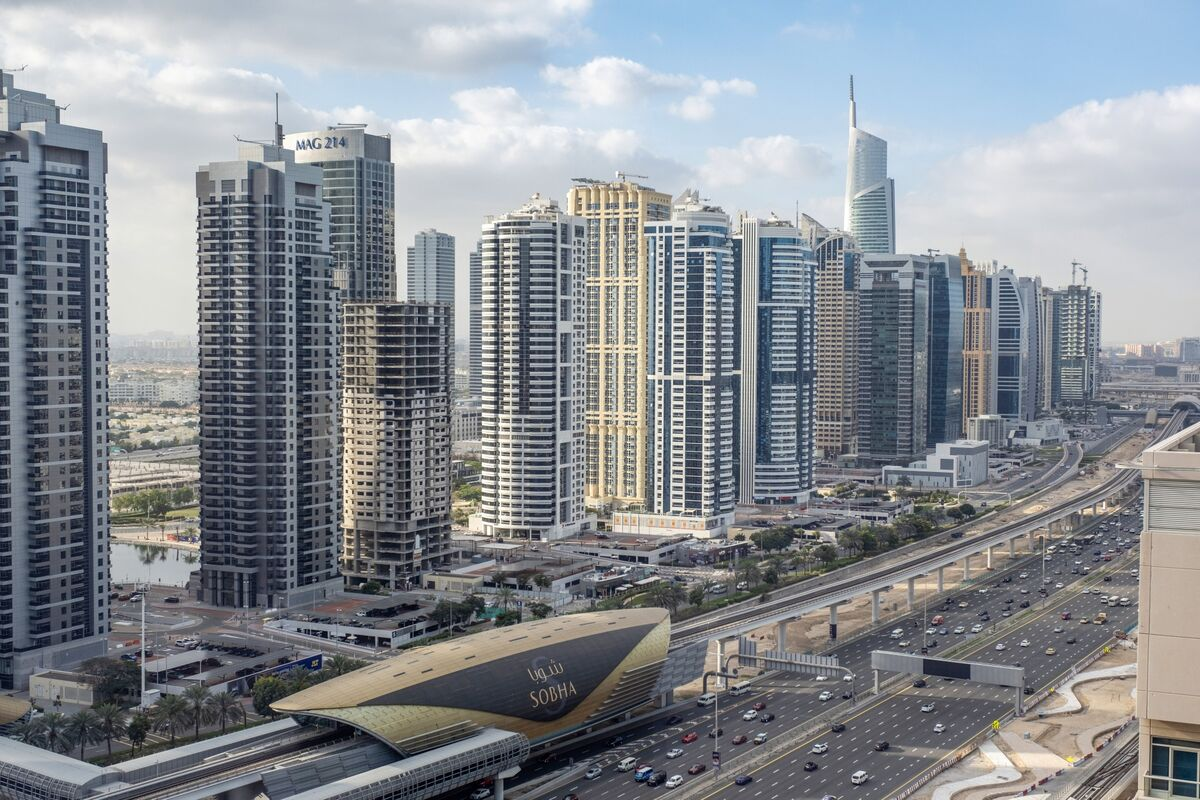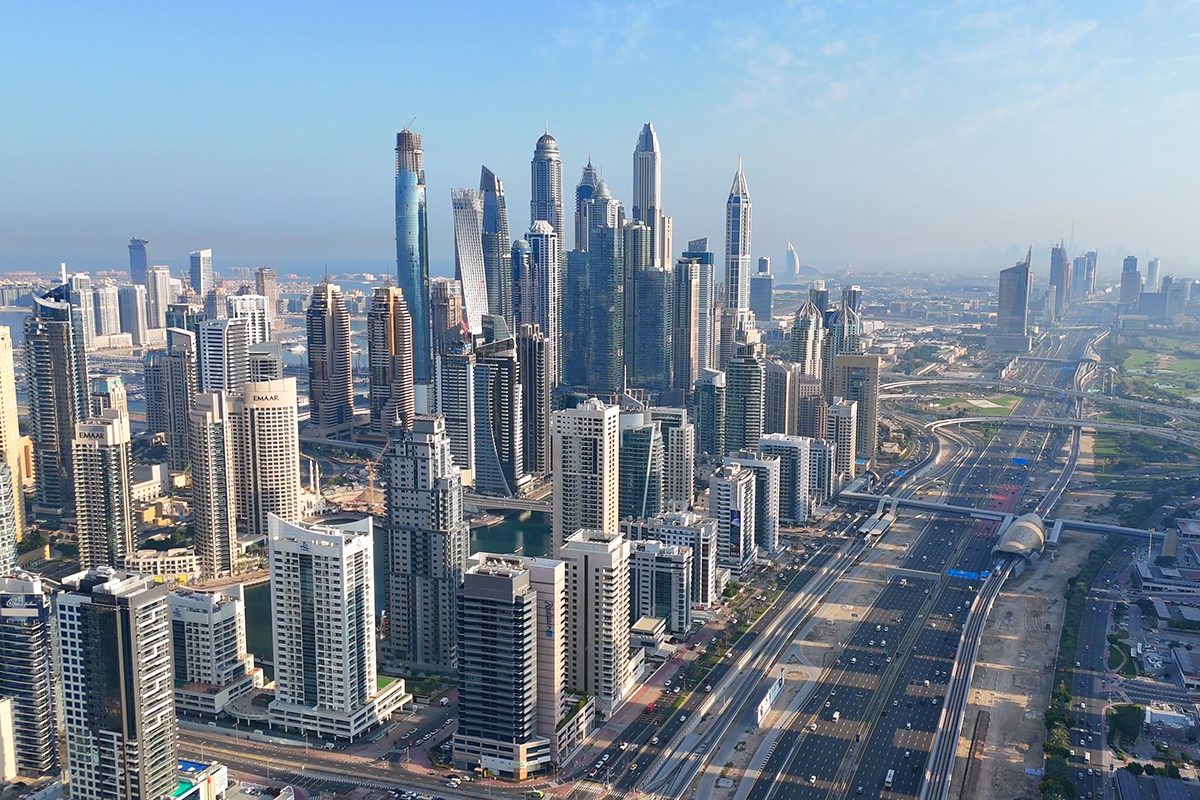
The UAE real estate market enters 2025 with confidence, clarity and a more mature sense of balance. After several years of rapid expansion, price acceleration and record transaction volumes, the market is now transitioning into a phase defined by disciplined growth, strategic demand and selective opportunity. Cushman & Wakefield Core’s UAE Real Estate 2025 Snapshot captures this evolution clearly, showing tight office supply, powerful industrial performance and a residential sector that is stabilising rather than slowing.
This shift is not a sign of weakness. Instead, it reflects a market that has learned from past cycles and is now aligning supply with real demand, occupier needs and long-term investment fundamentals. Across offices, industrial assets and residential communities, the UAE continues to strengthen its position as one of the world’s most resilient and future-ready property markets.
The defining theme of UAE real estate in 2025 is moderation with purpose. Rather than chasing unsustainable growth, developers, investors and occupiers are focusing on quality, location, efficiency and long-term value. Economic diversification, population growth, business-friendly reforms and global capital inflows continue to support the market, but with sharper decision-making across every asset class.
This measured approach is especially visible in how supply pipelines are being managed. New projects are more targeted, financing structures are more conservative and end-user demand is playing a greater role in shaping development strategies. The result is a market that feels calmer, more transparent and increasingly aligned with global institutional standards.
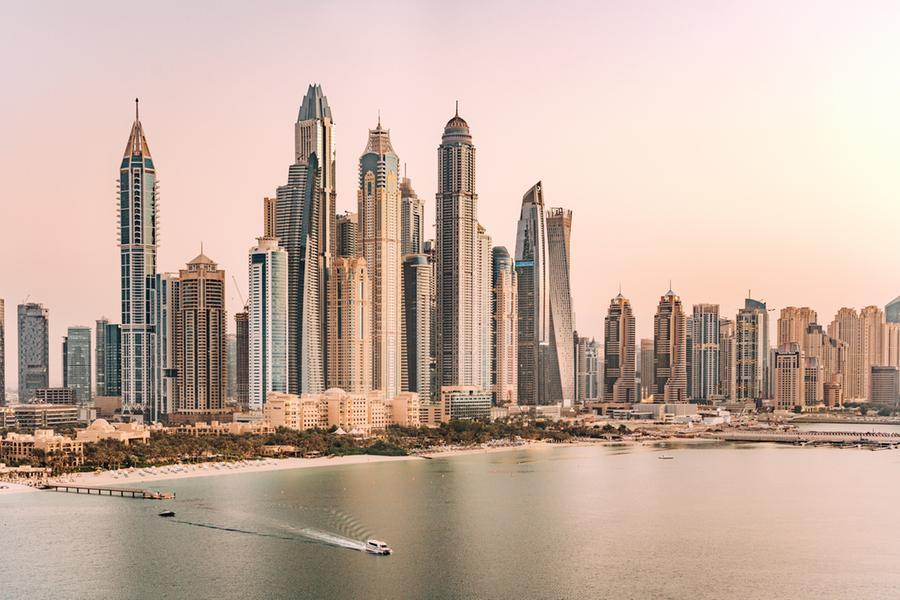
One of the strongest signals from the 2025 snapshot is the continued tightness in the UAE’s prime office supply. In key business districts across Dubai and Abu Dhabi, high-quality Grade A office space remains limited, even as demand continues to rise. Occupiers are prioritising well-located, sustainable and amenity-rich buildings that support talent attraction and operational efficiency.
This imbalance between supply and demand is placing upward pressure on rents in prime locations, while older and less efficient buildings face growing competition. Companies are no longer willing to compromise on quality, and landlords who have invested in modernisation, ESG features and flexible layouts are reaping the benefits.
The UAE’s status as a regional headquarters hub continues to strengthen. Multinational firms, regional conglomerates and fast-growing startups are expanding their footprints, driven by economic stability, regulatory clarity and access to global markets. This has fuelled a clear flight to quality, with occupiers consolidating into fewer but better offices.
Hybrid work has not reduced demand as once predicted. Instead, it has reshaped it. Offices are now expected to offer collaboration spaces, wellness features and a strong sense of identity. Buildings that meet these expectations are experiencing strong occupancy, while those that do not are under pressure to adapt.
With new office developments entering the market at a measured pace, landlords are in a stronger negotiating position than in previous cycles. Pre-leasing activity is increasing, and speculative construction remains cautious. This disciplined approach is helping to prevent oversupply and supports rental stability well into the medium term.
The industrial and logistics sector continues to be one of the UAE’s strongest real estate performers. Demand for warehouses, distribution centres and last-mile logistics facilities remains high, driven by e-commerce growth, manufacturing expansion and the UAE’s strategic role as a global trade hub.
Occupiers are seeking modern, high-spec facilities that can support automation, temperature control and efficient supply chains. As a result, prime industrial assets are experiencing high occupancy rates and steady rental growth, particularly in established logistics corridors.
Despite ongoing development activity, industrial supply has struggled to keep pace with demand. Land availability, infrastructure requirements and rising construction costs have slowed delivery timelines in some areas. This has created a landlord-favourable environment, especially for well-located assets close to ports, airports and major highways.
Investors are increasingly viewing industrial real estate as a core, long-term play rather than a niche asset class. The sector’s income stability and strong fundamentals are attracting both regional and international capital.
Industrial real estate in the UAE is no longer just about storage. It is deeply connected to national economic priorities, including food security, advanced manufacturing and trade diversification. This alignment with broader policy goals adds another layer of resilience to the sector and reinforces its long-term outlook.
The residential market in 2025 is best described as stable and selective. After years of rapid price appreciation, growth has moderated across many segments, particularly in mid-market and investor-driven locations. This adjustment is healthy and expected, helping to maintain affordability and prevent speculative excess.
Demand remains strong, supported by population growth, job creation and lifestyle-driven migration. However, buyers are becoming more discerning, focusing on value, community quality and long-term livability rather than short-term gains.
One of the most important shifts in the residential market is the growing influence of end-users. While investors remain active, especially in prime and waterfront locations, owner-occupiers are increasingly shaping demand. This is encouraging developers to focus on practical layouts, community amenities and sustainable design rather than purely promotional features.
Payment plans are becoming more realistic, and project timelines are better aligned with genuine absorption rates. This contributes to a more stable and predictable residential market environment.
Despite overall moderation, prime residential areas continue to show resilience. Well-established communities with strong infrastructure, lifestyle appeal and limited new supply are maintaining value and attracting both local and international buyers. Waterfront living, branded residences and master-planned developments remain particularly attractive.

Investor interest in UAE real estate remains robust in 2025. The country’s transparent regulatory framework, political stability and tax efficiency continue to attract global capital. However, investment strategies are becoming more selective, with a stronger focus on asset quality, income durability and long-term fundamentals.
Core and core-plus assets are in high demand, particularly in the office and industrial sectors. Residential investments are increasingly targeted toward proven locations and reputable developers.
As competition for prime assets increases, yields in certain segments have compressed. However, this is balanced by strong income stability and rental growth potential. Investors are willing to accept slightly lower yields in exchange for reduced risk and long-term security.
Value-add opportunities still exist, particularly in repositioning older office buildings or upgrading industrial assets to meet modern standards. These strategies require expertise but offer attractive upside for experienced players.
The 2025 snapshot points to a real estate market that is learning to grow sustainably. By avoiding oversupply, encouraging quality development and responding to genuine demand, the UAE is building a property ecosystem that can withstand global uncertainty and economic shifts.
This approach benefits everyone, from occupiers and residents to investors and policymakers. It creates confidence, reduces volatility and enhances the UAE’s reputation as a safe and sophisticated real estate destination.
For those active in the market, success in 2025 will depend on understanding nuance rather than chasing momentum. Knowing where supply is tight, where demand is evolving and where moderation is creating balance will be key to making informed decisions.
The story of UAE real estate in 2025 is not about slowdown or correction. It is about refinement, resilience and readiness for the next phase of growth.
Cushman & Wakefield Core’s UAE Real Estate 2025 Snapshot highlights a market that is confident without being complacent. Tight office supply, strong industrial fundamentals and a stabilising residential sector all point to a healthier, more sustainable future.
As the UAE continues to attract people, businesses and capital from around the world, its real estate market stands as a reflection of that ambition. Grounded, forward-looking and built to last, 2025 marks not an end to growth, but the beginning of a smarter one.
Do Follow Estate Magazine on Instagram
Read More:- Dubai’s Prime Homes Boom Strong After Five Years Of Growth 2025