Exploring the property markets in the UAE can be both exciting and overwhelming, especially when comparing the vibrant landscapes of Dubai, Abu Dhabi, and Sharjah. Each emirate boasts unique characteristics that appeal to various investors and homebuyers. This article dives deep into the comparison of UAE emirates’ property markets to help you understand which one might be the best fit for your investment goals.
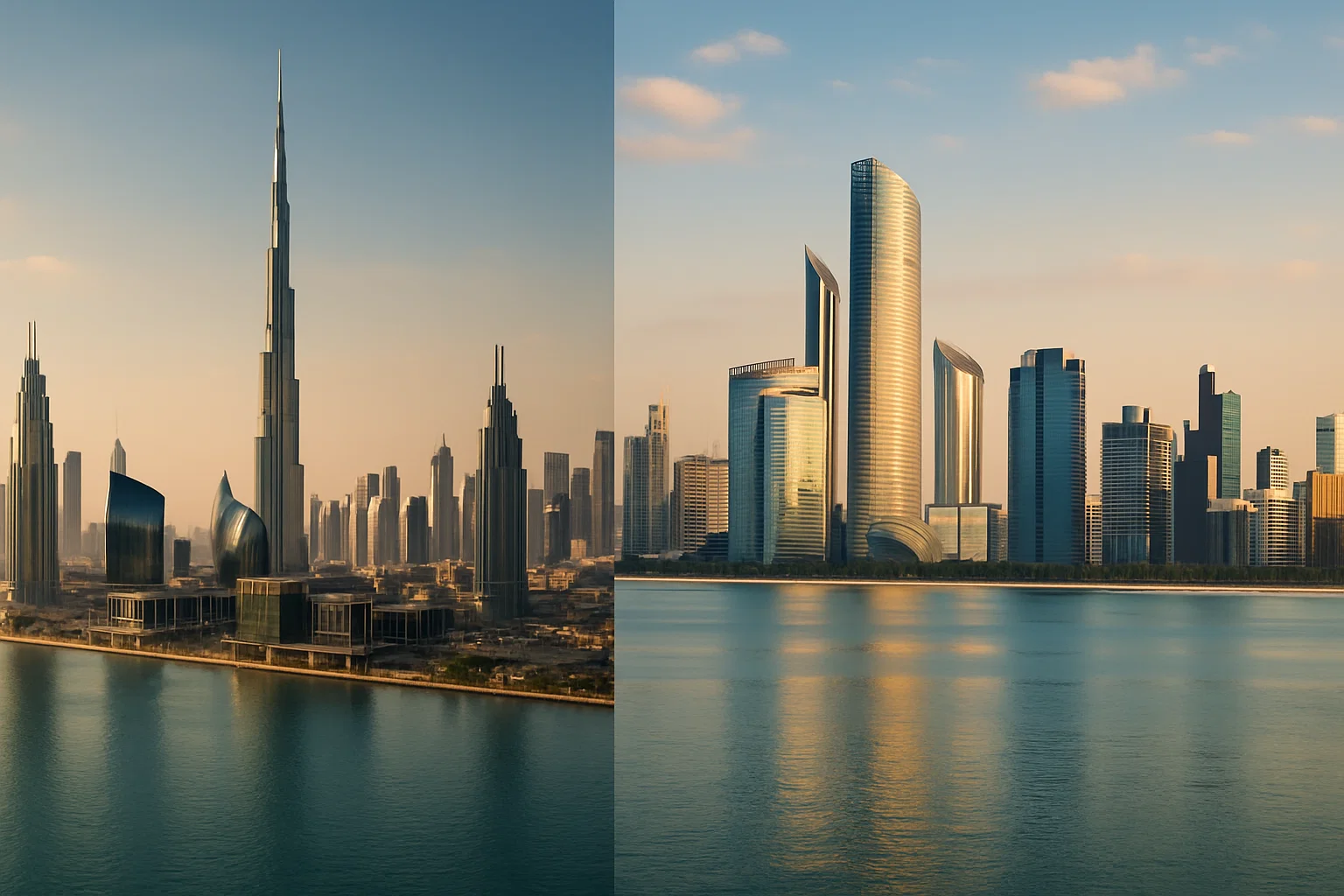
When examining the comparison of UAE emirates’ property markets, it’s essential to recognize the distinctive features of each location. Dubai is often viewed as the glitzy heart of the UAE, attracting international buyers with its luxurious lifestyle and high-end developments. Abu Dhabi, the capital, offers a more tranquil environment, focusing on culture and sustainability. Sharjah, often overlooked, presents a more budget-friendly alternative with a family-oriented atmosphere.

Dubai’s property market has long been a magnet for foreign investment. With its iconic skyline and diverse lifestyle options, Dubai continues to attract both investors and residents.
Recent trends show a robust recovery in the luxury segment, with high-end properties leading the charge. The demand for waterfront properties and villas has surged, reflecting a growing preference for spacious living environments.
Moreover, Dubai’s government initiatives, such as long-term residency visas for investors, have strengthened the market. These policies are designed to attract more expatriates and encourage long-term investments, making the comparison of UAE emirates’ property markets even more fascinating.
Abu Dhabi’s property market is characterized by its stability and focus on sustainability. The emirate has made significant strides in creating a balanced real estate environment that appeals to families and professionals alike.
In recent years, Abu Dhabi has seen a shift towards more affordable housing options, making it an attractive choice for first-time homebuyers. The government’s investment in infrastructure and cultural projects has also enhanced the emirate’s appeal.
As the capital, Abu Dhabi is home to various government institutions and multinational companies, providing a stable job market and, consequently, a consistent demand for residential properties. This stability makes Abu Dhabi a strong contender in the comparison of UAE emirates’ property markets.
Often overshadowed by Dubai and Abu Dhabi, Sharjah is emerging as an attractive option for savvy investors. Known for its rich cultural heritage and family-friendly environment, Sharjah offers more affordable real estate options without compromising on quality.
The emirate has made efforts to enhance its infrastructure and urban development, paving the way for a more vibrant property market. With its emphasis on community living and educational institutions, Sharjah is particularly appealing to families looking for a supportive environment.
Investors are beginning to recognize Sharjah’s potential as a more budget-friendly alternative, making it a noteworthy part of the comparison of UAE emirates’ property markets.
Several factors influence property prices in Dubai, Abu Dhabi, and Sharjah. These include:
Economic Conditions: The broader economic landscape of the UAE plays a significant role. Economic growth, job creation, and expatriate influx directly affect demand for housing.
Government Policies: Various initiatives, such as freehold property ownership laws and residency incentives, impact market dynamics significantly.
Infrastructure Development: The expansion of transportation networks and public services often leads to increased property values in surrounding areas.
Cultural and Lifestyle Trends: The preferences of residents, including lifestyle choices and community-oriented living, shape the types of properties that gain popularity.
Investors often look for lucrative rental yields when considering the property market. In Dubai, high-end properties can yield impressive returns, particularly in areas like Dubai Marina and Downtown Dubai. However, these areas come with higher entry costs.
Abu Dhabi offers competitive rental yields, especially in the more affordable sectors, where demand remains consistent. Sharjah has emerged as a strong contender, with attractive rental yields due to its affordability and family-oriented offerings.
Understanding these dynamics is crucial when evaluating the comparison of UAE emirates’ property markets.

The future of the UAE property market looks promising, driven by ongoing government initiatives and economic diversification efforts.
Dubai continues to evolve, with plans for new developments and attractions. The emirate aims to position itself as a global hub for tourism and business, which will likely sustain property demand.
Abu Dhabi is set to enhance its cultural and economic landscape further, potentially leading to increased property values as more people seek to live and work in the capital.
Sharjah is expected to maintain its growth trajectory as infrastructure improves and the emirate continues to promote itself as an affordable alternative for families and investors alike.
In the comparison of UAE emirates’ property markets, each location offers unique advantages depending on what you seek.
Dubai’s luxurious lifestyle and high returns may be ideal for some, while others may find Abu Dhabi’s stability and cultural richness more appealing. Sharjah’s affordability and family-friendly environment are perfect for those looking for value without sacrificing quality.
Ultimately, understanding the nuances of each emirate will better equip you to make informed decisions that align with your investment goals.
Do Follow Estate Magazine on Instagram
Read More:- UAE Property Price Growth: 6 Powerful Factors Driving Strong Market Gains