The real estate market in the UAE has been a topic of considerable interest, especially with the dynamic shifts in property prices over recent years. As we look ahead, many experts are predicting that UAE property prices might dip in 2026 due to an influx of new supply. This potential trend raises questions and concerns for investors, homeowners, and industry professionals alike.
Understanding the factors that could lead to a decrease in property prices is essential for anyone involved in the UAE real estate market. This article explores why a dip in prices may occur, the implications for various stakeholders, and how one can prepare for these changes.
Before delving into the potential dip in 2026, it’s crucial to understand the current state of the UAE property market. Over the past few years, property prices have seen significant fluctuations. The market initially experienced a downturn due to various economic factors, but recent trends indicate a recovery phase, driven by increased demand and favorable conditions for buyers.
However, as demand stabilizes, the introduction of new properties could alter the delicate balance between supply and demand. This could lead to a softening of prices, particularly in a market that has already witnessed substantial growth.
The real estate market operates on the principles of supply and demand, and understanding this dynamic is key to predicting future trends. In the UAE, the demand for residential and commercial properties remains strong, fueled by a growing population and a thriving expatriate community.
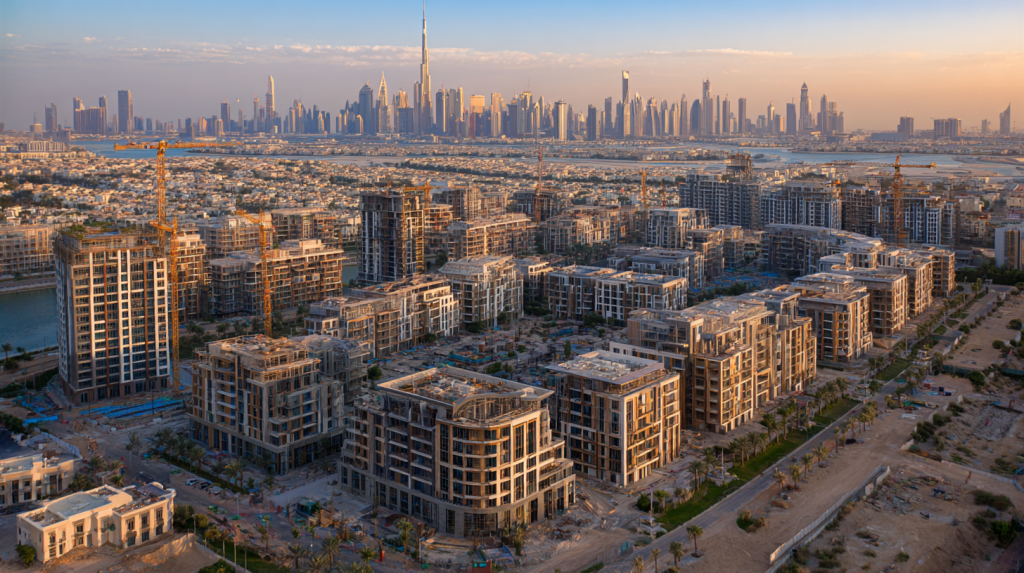
Despite this demand, the construction of new residential and commercial properties continues at a rapid pace. The influx of new supply may create a situation where the market becomes saturated, leading to a potential decline in prices. When there are more properties available than buyers, sellers may have to lower prices to attract interest, leading to a dip in overall property values.
Several factors are likely to contribute to the potential dip in UAE property prices in 2026:
As developers respond to the growing demand for housing, numerous new projects are being launched across the UAE. These developments aim to cater to various segments of the market, from luxury villas to affordable apartments. While this expansion can provide more options for buyers, it can also lead to an oversupply situation.
The economic landscape significantly impacts property prices. Changes in the global economy, oil prices, and local economic conditions can influence buyer confidence. A slowdown in economic growth or a recession could further exacerbate the oversupply issue, leading to price declines.
Interest rates play a crucial role in the affordability of real estate. If interest rates rise, borrowing becomes more expensive, which could deter potential buyers from entering the market. A decrease in buyer activity can contribute to a dip in property prices, particularly in a market where new supply is abundant.
Government policies aimed at regulating the real estate market can also impact property prices. Initiatives to promote affordable housing or to manage foreign investment may lead to a shift in demand dynamics, affecting pricing structures.
If UAE property prices dip in 2026, the implications for investors and homeowners could be significant.
For investors, a decline in property values may necessitate a reassessment of their portfolios. Those who have invested in properties with the expectation of continued price appreciation may find themselves holding assets that are losing value. This could lead to a rethink of investment strategies and a potential shift towards more stable or diversified assets.
Homeowners, on the other hand, may feel the impact of decreased property values in terms of equity. Those looking to sell their homes may find it challenging to achieve the price they desire, leading to potential financial strain. However, for first-time buyers, a dip in prices could present an opportunity to enter the market at a more favorable price point.
In light of the potential dip in UAE property prices, it’s essential for stakeholders to adopt strategies that can help them navigate this changing landscape.
For investors, staying informed about market trends and economic indicators will be crucial. Engaging with real estate professionals who have a deep understanding of the local market can provide valuable insights. Additionally, considering properties in locations with strong rental demand may help mitigate risks associated with declining prices.
Homeowners should focus on maintaining their properties and enhancing their value through renovations or improvements. This can make a significant difference when it comes to selling. Additionally, understanding the local market dynamics and being realistic about pricing expectations can help homeowners avoid prolonged periods on the market.
While the prospect of dipping property prices in 2026 may raise concerns, it is important to keep a long-term perspective. The UAE real estate market has historically shown resilience and adaptability. Economic cycles will continue to fluctuate, and while dips may occur, recovery often follows.
Investors and homeowners should remain optimistic about the potential for future growth. The UAE’s strategic location, robust economy, and ongoing development initiatives are likely to support the market in the long run.
In conclusion, while UAE property prices might dip in 2026 due to new supply, understanding the underlying factors will enable stakeholders to make informed decisions. By staying aware of market dynamics and adopting proactive strategies, investors and homeowners can navigate the potential changes with confidence.
As the market continues to evolve, staying connected and informed will be vital. Embracing flexibility and being prepared for various scenarios will help all parties involved make the most of the opportunities that arise, regardless of market conditions.
Do Follow Estate Magazine on Instagram
Read Next – Dubai property agents face pressure amid market growth