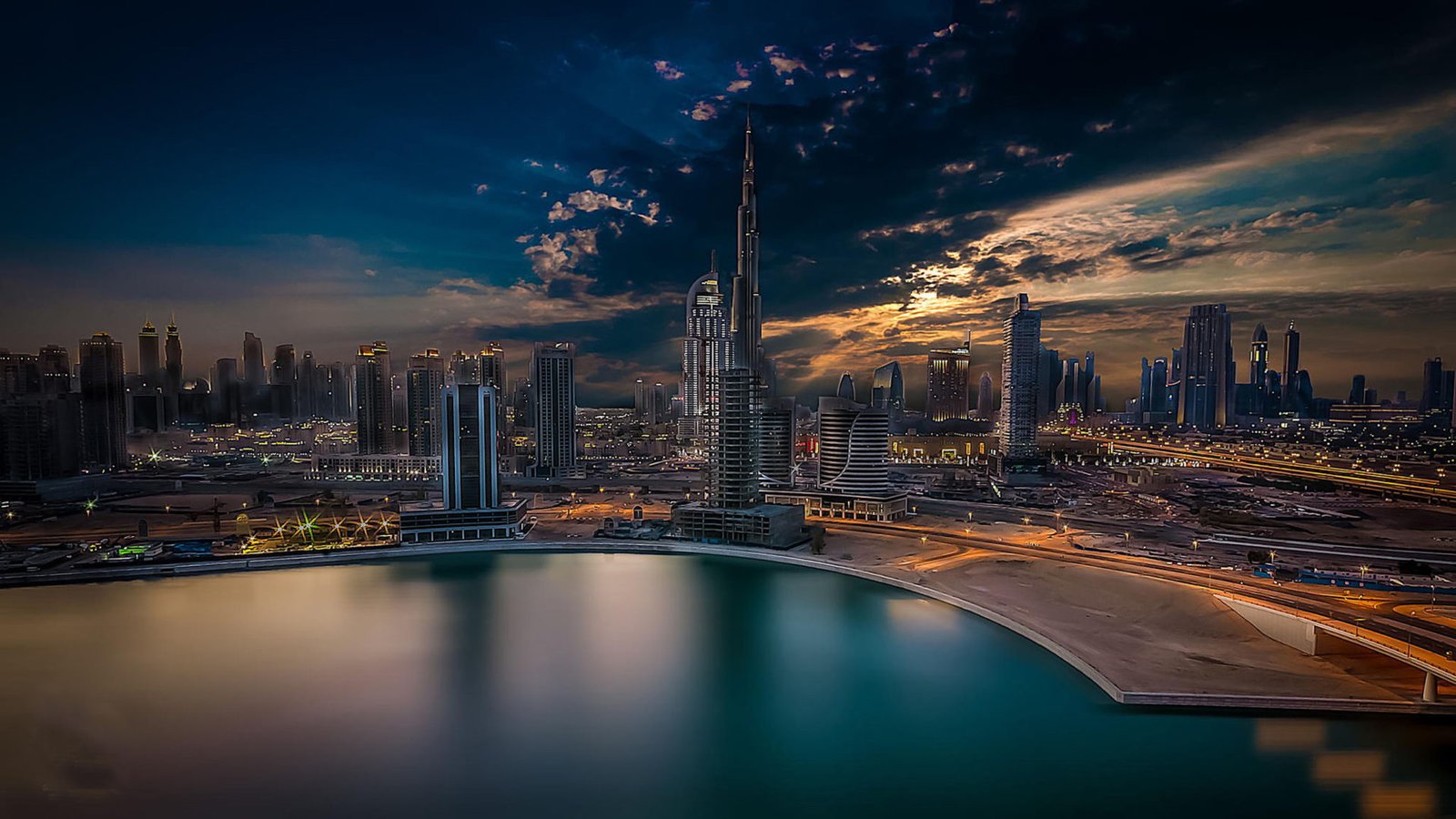

The UAE’s real estate market is making headlines in 2025 — but this time, for an unexpected reason. After years of rising prices and competitive buying, the market is cooling off. Surprisingly, this decline in property prices is turning heads for all the right reasons.
With Dubai and Abu Dhabi traditionally leading real estate trends in the region, a price drop might seem like a red flag. But dig deeper, and it reveals a fascinating shift in the landscape — one that could unlock new opportunities for investors, first-time buyers, and even the broader economy.
Several factors are influencing the real estate market’s current adjustment. While it’s not a crash, the cooling is noticeable and strategic.
First, after a sustained post-pandemic boom, property prices had reached unsustainable highs in many areas. This made entry into the market difficult for average buyers and created a disparity between demand and affordability. As the government pushes for greater housing accessibility, this price recalibration is a welcome change.

Second, increased supply is playing a role. Numerous large-scale residential developments, launched between 2022 and 2024, are now reaching completion. The influx of ready-to-move units is shifting the power balance from sellers to buyers, softening prices and increasing negotiation room.
Third, global economic uncertainty is gently pressing on investor confidence. While the UAE remains a beacon of stability in the region, inflationary pressures and rising interest rates globally are encouraging a more cautious investment environment. For some property owners, this means liquidating assets, further contributing to supply and lower prices.
As prices dip, new buyer demographics are entering the conversation. Young professionals, middle-income expatriates, and local residents are now finding affordable options that seemed out of reach just a year ago.
Off-plan properties, in particular, are gaining popularity among first-time investors. Developers are responding with attractive payment plans, reduced down payments, and flexible post-handover deals. For many, 2025 is becoming the year to finally own a home in the UAE.
Meanwhile, rental yields are becoming more appealing as property values fall while rental demand holds steady. For buy-to-let investors, this means improved ROI potential — another sign that the market isn’t collapsing, but rather evolving.
The real estate sector is known for its adaptability, and developers are already adjusting strategies to align with the new market climate. Instead of focusing exclusively on luxury and high-end residential towers, many are pivoting toward mid-market housing and smart, sustainable communities.
Master developers are investing in integrated projects outside traditional hotspots like Downtown Dubai and Abu Dhabi’s Corniche. Areas such as Dubai South, Sharjah Waterfront, and Ras Al Khaimah are gaining attention due to better affordability, upcoming infrastructure, and lifestyle appeal.
This recalibration also reflects changing consumer values. In 2025, buyers are seeking more than just marble countertops and skyline views. Energy efficiency, digital infrastructure, wellness amenities, and proximity to schools and offices are higher on the list of must-haves.

Despite the price dip, international investors continue to show confidence in the UAE market. For them, the current correction is seen not as a threat, but as a chance to buy at better prices before the next upward cycle begins.
The UAE’s investor-friendly policies, including the long-term Golden Visa program and 100% foreign ownership in many sectors, continue to attract interest from Europe, South Asia, and China. With the dirham pegged to the US dollar, many see property as a safe haven in a volatile global climate.
Interestingly, real estate in the UAE is now increasingly viewed as a long-term wealth preservation tool rather than just a speculative asset. This signals a more mature market — one less likely to experience extreme booms or busts.
A more accessible property market can have positive ripple effects across the UAE economy. As home ownership grows, so does consumer confidence. People spend more on interiors, home tech, and services. The financial sector sees more mortgage activity. And the construction industry continues to thrive, albeit with a new focus.
Additionally, population growth is expected to continue, particularly in the expatriate segment. With more professionals considering permanent or long-term residence, the demand for owned housing — rather than short-term rentals — is projected to increase.
In parallel, government efforts to diversify the economy away from oil are closely tied to real estate growth. New urban developments are being built to support tourism, healthcare, education, and tech — industries that bring long-term stability and population growth, which in turn support housing demand.

The drop in UAE real estate prices in 2025 isn’t a signal of collapse — it’s a sign of correction and opportunity. For investors, it’s a moment to reconsider timing. For buyers, it’s a rare window of affordability. For the economy, it’s a healthy rebalancing act.
As the country continues to transform into a global hub of innovation, sustainability, and multicultural living, its property market is evolving too. Prices may be falling, but confidence is quietly rising.
Sometimes, a small dip paves the way for a bigger leap. And in the case of UAE real estate, 2025 might just be the year that proves it.
Also Read – Dubai’s Property Investment Scene is Booming in 2025