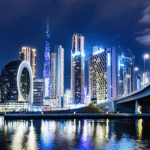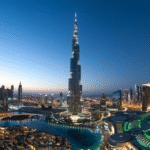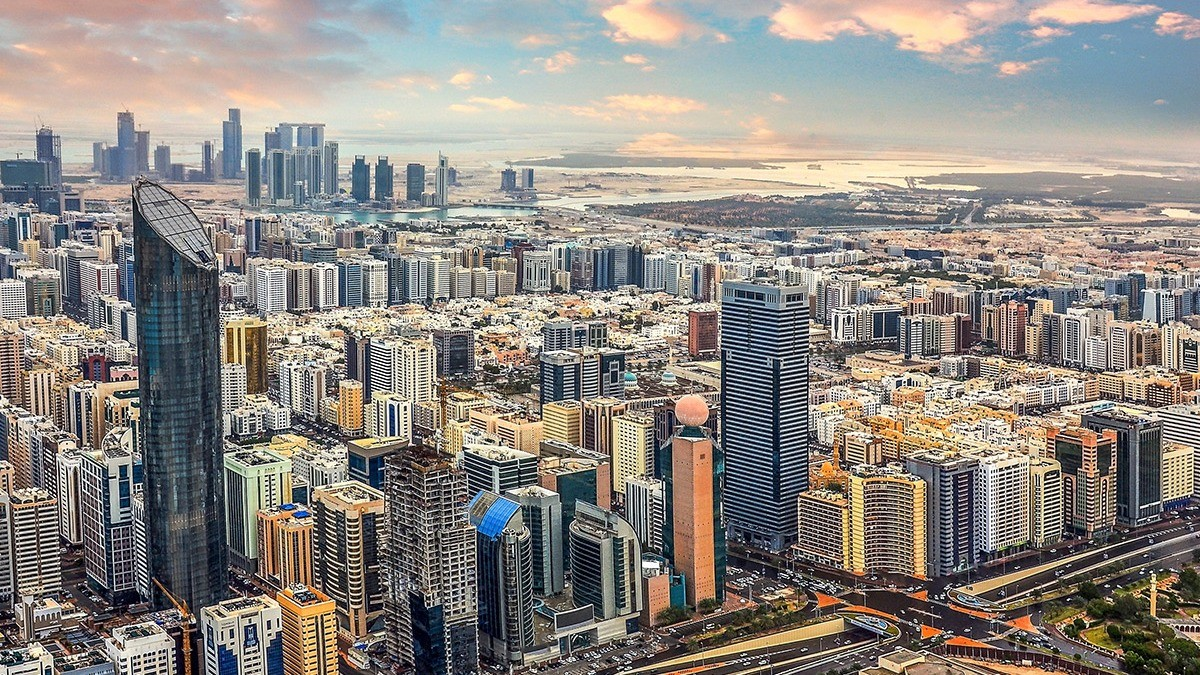
The UAE’s real estate market is entering one of its most exciting chapters yet. With projections placing the market value at AED 486.2 billion by 2030, the sector is no longer just growing—it is transforming. What once revolved primarily around luxury homes and iconic skylines is now a balanced, sophisticated ecosystem driven by population growth, global investment, government vision, and an evolving lifestyle economy.
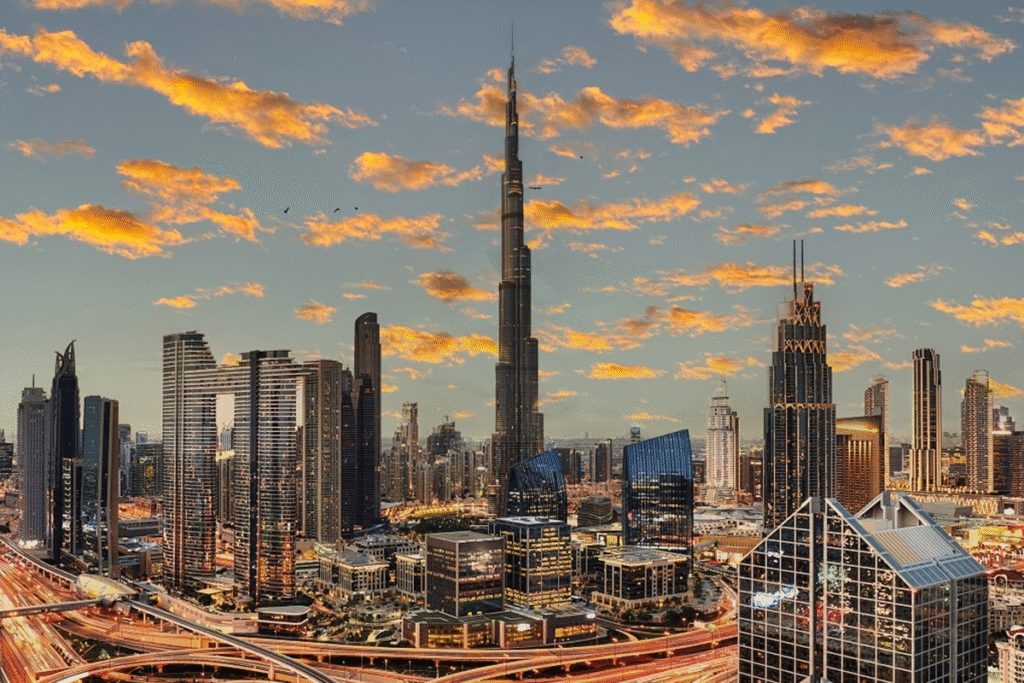
From Dubai’s ever-expanding skyline to Abu Dhabi’s master-planned communities and emerging opportunities across the Northern Emirates, real estate in the UAE is becoming a cornerstone of long-term economic stability and global appeal.
Behind the impressive numbers lies a mix of careful planning, policy reforms, and market confidence. Unlike speculative booms of the past, today’s growth is supported by fundamentals that point toward sustainability.
The UAE continues to attract professionals, entrepreneurs, retirees, and remote workers from across the world. As the population grows, demand for housing naturally follows not just in city centers, but across suburban and emerging residential zones.
Families now seek larger homes, green spaces, schools, and wellness-focused communities. This shift is broadening the market beyond luxury towers and pushing developers to rethink how residential spaces are designed and located.
One of the most transformative factors has been the expansion of foreign ownership rights. Long-term residency visas, Golden Visas, and flexible business frameworks have encouraged international buyers to view UAE property as a stable, long-term asset rather than a short-term investment.
This confidence has helped unlock capital from Europe, Asia, and emerging markets, strengthening price stability and accelerating new project launches across residential and commercial segments.

Residential real estate remains the backbone of the UAE’s property market, contributing significantly to its projected AED 486.2 billion value. However, today’s buyers are far more informed and selective than ever before.
Modern buyers are not just purchasing square footage they are buying lifestyles. Proximity to work, access to green areas, wellness facilities, smart home technology, and community living are becoming top priorities.
This has fueled demand for integrated developments that combine homes, retail, offices, schools, and recreational spaces in one ecosystem. Developers are responding with master-planned communities that encourage long-term living rather than short-term occupancy.
While luxury properties still attract global attention, the real growth driver is the mid-income and affordable housing segment. Professionals relocating to the UAE seek quality homes at reasonable price points, creating a strong and steady demand base.
This balance between luxury and affordability is helping the market grow without overheating, making it resilient to global economic shocks.
Commercial real estate in the UAE is also undergoing a quiet but powerful transformation as business patterns evolve.
Flexible working arrangements and hybrid work models have changed how companies use office space. Instead of large traditional offices, demand is rising for flexible layouts, co-working hubs, and tech-enabled workspaces.
Prime business districts remain strong, but secondary locations are gaining interest due to cost efficiency and improved infrastructure. This diversification is adding depth and resilience to the commercial property segment.
Retail real estate, once challenged by e-commerce, is finding fresh momentum through experience-driven formats. Shopping destinations are transforming into lifestyle hubs featuring dining, entertainment, wellness, and cultural experiences.
Rather than competing with online shopping, retail spaces are enhancing physical experiences, keeping occupancy rates healthy and attracting new investment.
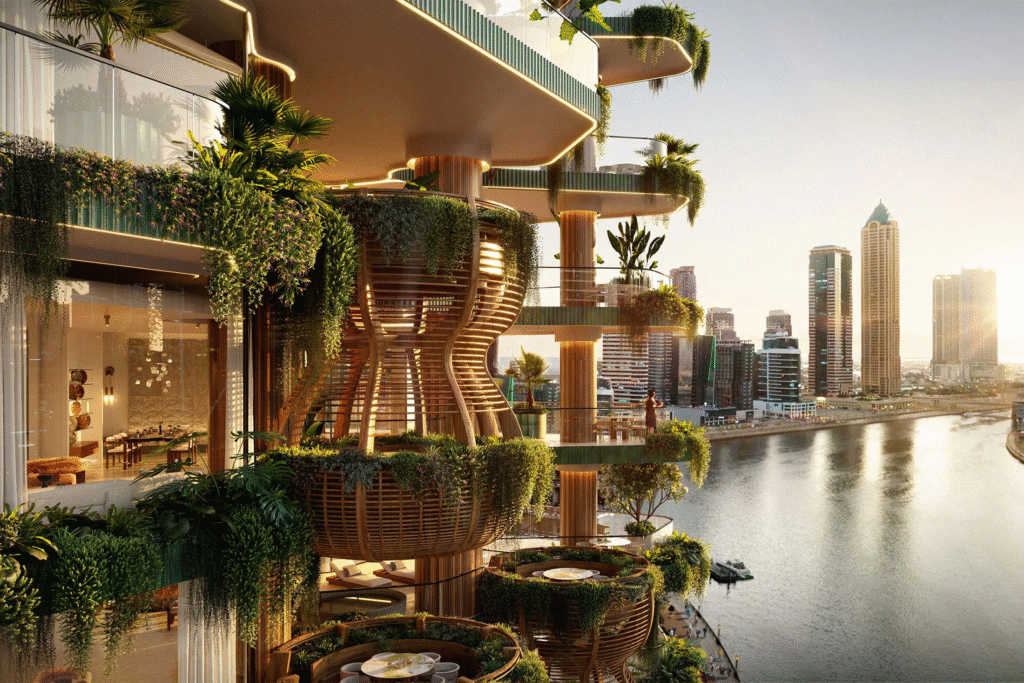
While growth is spread across the UAE, Dubai and Abu Dhabi remain the twin engines powering the sector forward.
Dubai continues to attract global investors due to its transparency, investor-friendly regulations, and world-class infrastructure. Large-scale developments, waterfront projects, and sustainable communities have reinforced its reputation as a safe and profitable real estate hub.
Tourism growth, strong rental yields, and a diversified economy make Dubai a constant magnet for both end-users and investors.
Abu Dhabi’s real estate market is known for its controlled growth and long-term planning. Government-backed developments, cultural investments, and strong public sector employment provide stability that appeals to families and institutional investors.
The emirate’s focus on cultural destinations, education hubs, and sustainable urban living is steadily boosting both residential and commercial demand.
The UAE’s push toward sustainability is becoming a defining factor for real estate growth leading up to 2030.
Energy-efficient buildings, water-saving technologies, and environmentally responsible construction methods are no longer optional they are expectations. Developers increasingly integrate green certifications and sustainable materials into new projects.
This shift not only reduces environmental impact but also lowers long-term operational costs, making properties more attractive to buyers and tenants alike.
Technology is reshaping how properties are designed and managed. Smart homes, digital property management, AI-powered security, and data-driven urban planning are enhancing convenience and safety for residents.
These innovations are improving quality of life while also increasing property value, further strengthening market growth.
Ongoing investment in infrastructure is another key pillar supporting the UAE’s real estate expansion.
New roads, public transport expansions, ports, and airports are improving connectivity between emirates and key economic zones. Better connectivity reduces commute times, boosts accessibility, and increases the value of surrounding real estate.
Transit-oriented developments are gaining popularity, aligning residential growth with transport infrastructure.
Hospitals, schools, universities, and cultural centers play a critical role in shaping where people choose to live. Government and private sector investments in social infrastructure are creating self-sufficient communities that attract long-term residents.
This holistic approach ensures consistent demand rather than short-lived spikes.
Despite global economic uncertainties, investor confidence in the UAE real estate market remains firm.
Clear property laws, digital land registries, and regulated escrow systems provide transparency and protection for buyers and developers alike. This regulatory clarity reduces risk and encourages repeat investment.
Compared to many global cities, the UAE continues to offer competitive rental yields, particularly in high-demand residential areas. This income potential keeps the market appealing to both individual and institutional investors.
As the UAE’s real estate market moves toward its projected AED 486.2 billion valuation by 2030, the focus is shifting from rapid expansion to sustainable, quality growth.
Developments are becoming more human-centered, technology-driven, and environmentally responsible. Communities are designed to support families, professionals, and retirees, reflecting a mature market that understands evolving lifestyles.
The years ahead will likely see deeper collaboration between government planners, developers, and investors to ensure balanced growth across all emirates.
The UAE’s real estate success story is no longer about headline-grabbing towers alone. It is about creating places where people can live, work, and thrive for decades to come.
With strong fundamentals, visionary policies, and a clear commitment to innovation and sustainability, the UAE is building a real estate market that doesn’t just grow in value but grows in relevance, resilience, and global trust.
As 2030 approaches, the journey toward AED 486.2 billion is shaping a sector that reflects the UAE’s broader ambition: bold, inclusive, and built for the future.
Do Follow Estate Magazine on Instagram
Read More:- Nakheel Unleashes Bold $109 Million Palm Jumeirah Transformation