The UAE real estate market is entering a defining decade. A powerful mix of population growth, global investment confidence, progressive regulations, and a lifestyle-driven economy is reshaping how people live, work, and invest across the country. By 2030, the market is projected to surge to an extraordinary AED486 billion, marking one of the most significant growth phases in the nation’s history.
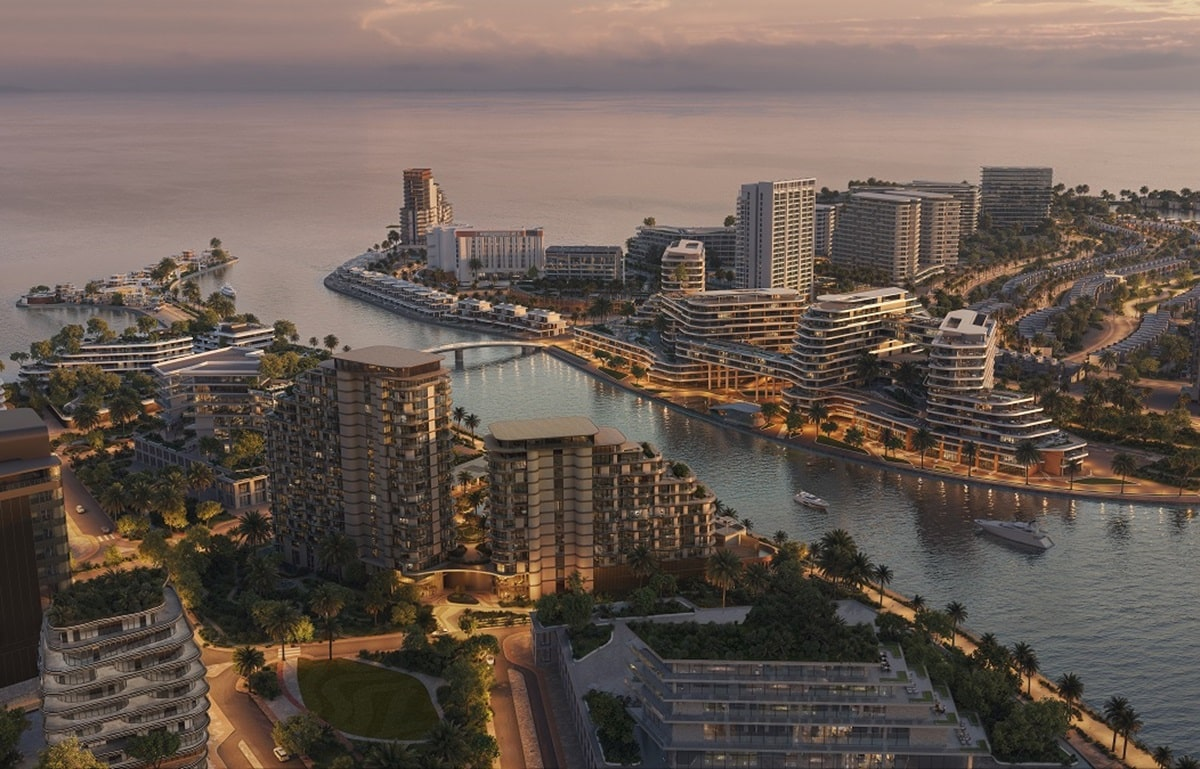
This transformation is not fueled by hype alone. It reflects a deeper shift in global capital flows, regional stability, and the UAE’s ability to consistently reinvent itself as a safe, modern, and opportunity-rich destination. From luxury waterfront developments in Dubai to smart residential communities in Abu Dhabi and emerging hotspots in Sharjah and the Northern Emirates, real estate is becoming both a lifestyle choice and a long-term economic pillar.
Confidence is the currency driving the UAE property market forward. Investors are not just buying homes or commercial spaces; they are buying into a long-term national vision. Strategic planning, transparent regulations, and strong governance have positioned the UAE as a global benchmark for real estate-led economic growth.
The country’s ability to maintain momentum through global uncertainty has strengthened trust among buyers. Unlike cyclical property markets elsewhere, the UAE has demonstrated resilience by aligning real estate development with real demand, population trends, and infrastructure readiness.
Supportive government policies have played a central role in maintaining market stability while encouraging expansion. Long-term residency options, investor-friendly ownership laws, and simplified business setup processes have widened the investor base beyond traditional regional buyers.
Golden Visa programs and retirement residency options have made property ownership more than a transaction. For many, it is now a gateway to a future in the UAE, encouraging longer stays, repeat investments, and deeper emotional ties to the country.
In a time when investors are seeking stability, the UAE stands out as a safe haven. Political neutrality, economic diversification, and world-class governance make it an attractive destination for wealth preservation as well as growth.
Real estate in the UAE is increasingly viewed as a hedge against volatility. This perception is driving consistent demand across residential, commercial, and mixed-use developments, reinforcing long-term price sustainability.
One of the strongest drivers of the UAE’s real estate growth is people. The population is expanding not only in numbers but also in diversity. Professionals, entrepreneurs, retirees, and digital nomads are choosing the UAE for its safety, lifestyle, and work-life balance.
This influx has created demand across all housing segments, from affordable apartments to luxury villas and branded residences.
Unlike previous cycles dominated by short-term speculation, today’s market is increasingly led by end users. Families and professionals are purchasing homes to live in, not just rent out, creating a healthier and more sustainable demand base.
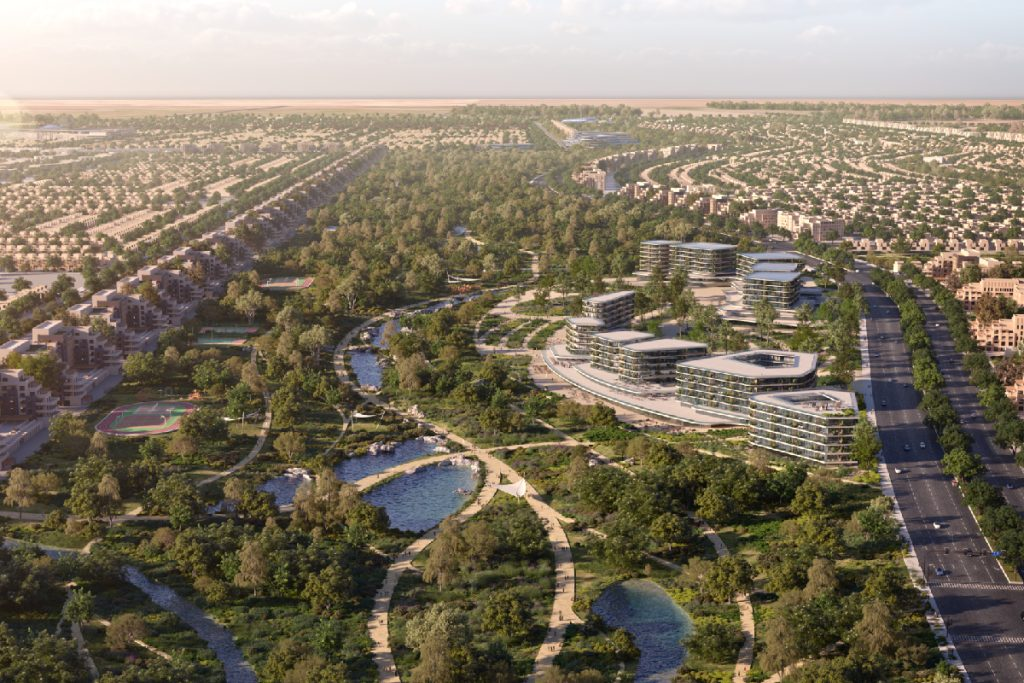
Communities designed around schools, healthcare, green spaces, and retail hubs are attracting buyers who plan to stay long-term. This shift is helping stabilize prices while supporting steady appreciation.
Modern buyers prioritize lifestyle as much as location. Access to beaches, walkability, wellness facilities, and entertainment has become a deciding factor in property choices.
Developers are responding by designing communities that feel complete, not just visually impressive. This lifestyle-first approach is raising the overall quality of developments and attracting premium valuations.
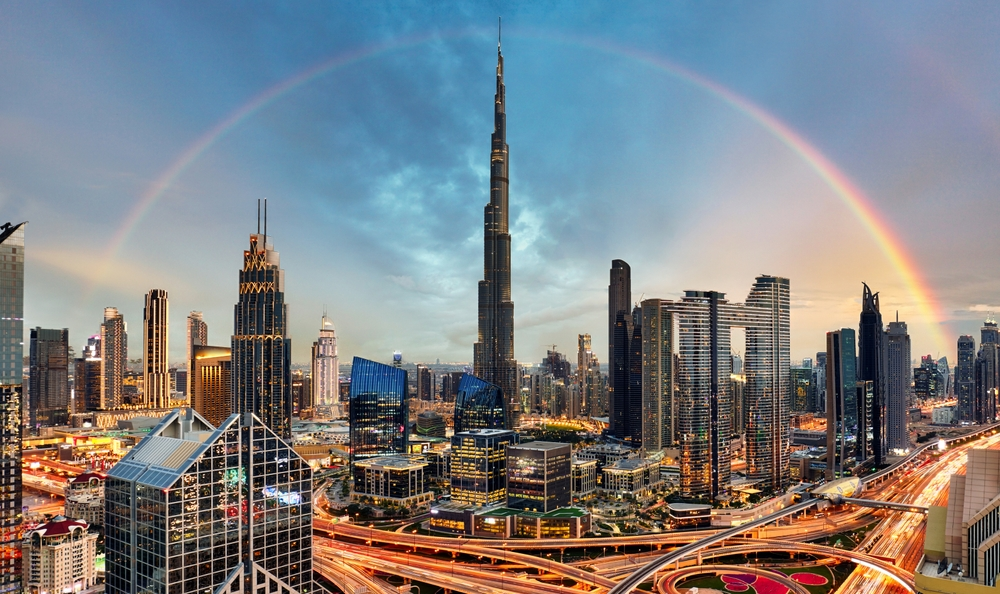
Dubai remains the face of the UAE real estate market and continues to act as its primary growth engine. Its global brand recognition, investor-friendly ecosystem, and ambitious urban planning keep it at the forefront of property innovation.
From ultra-luxury beachfront towers to master-planned suburban communities, Dubai’s diversified offerings cater to a vast audience.
The luxury segment has emerged as a powerful contributor to overall market value. High-net-worth individuals from Europe, Asia, and the Middle East are investing in prime properties, drawn by exclusive designs, privacy, and lifestyle amenities.
Branded residences and bespoke villas are setting new benchmarks for pricing and demand, pushing the overall market valuation upward.
While luxury dominates headlines, the backbone of Dubai’s growth lies in mid-income and affordable housing. With a rising workforce and growing families, demand for well-connected, reasonably priced homes remains strong.
Projects offering flexible payment plans and community-centric living are performing particularly well, reflecting a balanced market structure.
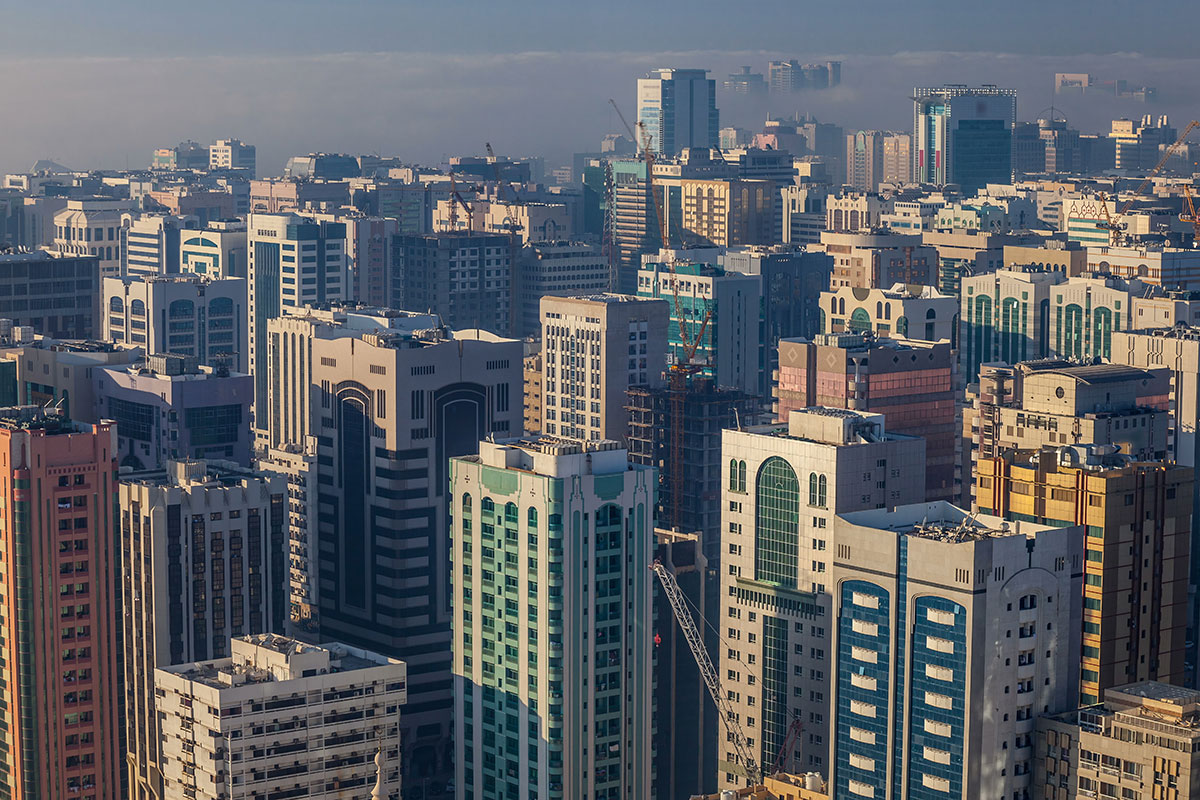
Abu Dhabi is carving its own path, focusing on long-term affordability, cultural identity, and sustainable development. Its approach may be more measured than Dubai’s, but it is equally impactful.
The capital’s real estate growth is supported by strong public-sector employment, expanding cultural tourism, and increasing foreign ownership opportunities.
Major attractions, museums, and cultural districts are enhancing Abu Dhabi’s global appeal. These projects are driving residential demand in surrounding areas while boosting investor confidence.
The city’s emphasis on quality over quantity is creating stable communities with long-term value appreciation.
Abu Dhabi continues to attract families looking for spacious homes, greenery, and a calmer pace of life. Townhouses and villas in well-planned communities are in high demand, contributing significantly to market expansion.
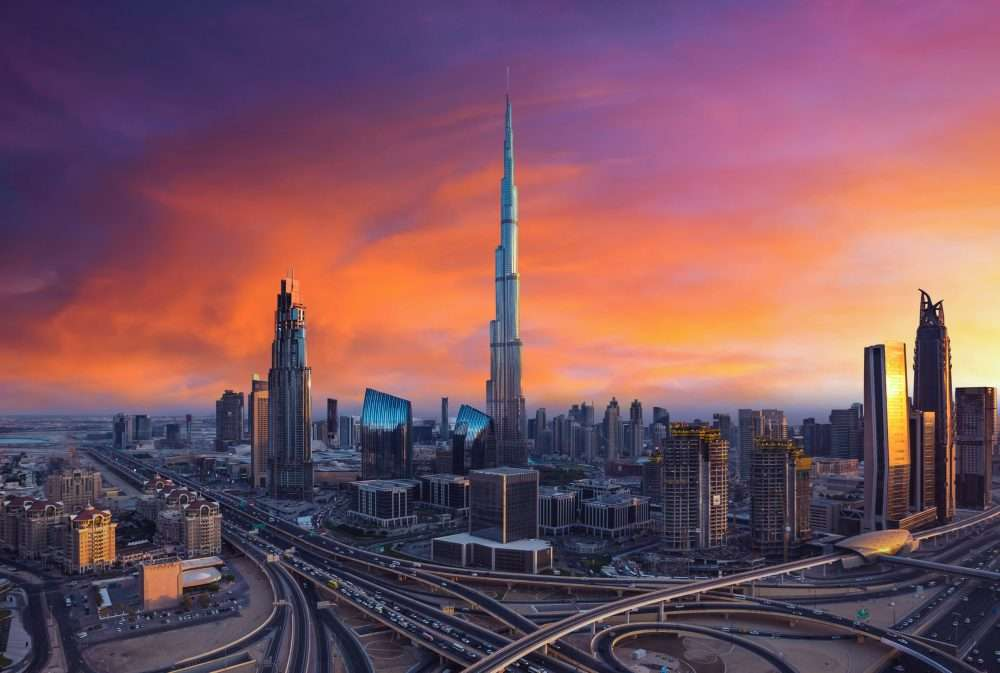
Sharjah, Ras Al Khaimah, Ajman, and other Northern Emirates are emerging as attractive alternatives for investors and end users alike. Improved infrastructure, lower entry prices, and growing employment opportunities are reshaping these markets.
Sharjah is benefiting from its cultural ethos and proximity to Dubai. Affordable housing and family-friendly communities are driving demand, particularly among professionals working in Dubai but seeking value-driven living.
Tourism-focused developments in Ras Al Khaimah and Fujairah are opening new real estate avenues. Resorts, holiday homes, and waterfront projects are attracting investors looking for diversification and long-term rental potential.
Residential real estate may dominate attention, but commercial property is equally vital in reaching the AED486bn milestone. Offices, logistics hubs, retail centers, and mixed-use developments are evolving alongside new economic priorities.
Flexible office spaces, co-working environments, and smart buildings are replacing traditional layouts. Businesses are prioritizing efficiency, sustainability, and employee well-being, reshaping commercial demand.
Premium office locations with strong transport links are seeing renewed interest as companies commit to long-term UAE operations.
Retail real estate is shifting away from pure shopping toward experiential destinations. Malls and high streets are becoming social hubs, blending dining, entertainment, and services.
This evolution is keeping retail assets relevant while supporting long-term rental yields.
Innovation is deeply embedded in the next phase of UAE real estate growth. Smart technologies, data-driven planning, and sustainable construction are now standard rather than optional.
From AI-powered building management to smart home automation, technology is enhancing convenience and efficiency. Buyers increasingly value properties that offer long-term cost savings and future-ready infrastructure.
Eco-friendly designs, energy-efficient systems, and green certifications are becoming key value drivers. Sustainability is no longer just a regulatory requirement; it is a market differentiator influencing buyer decisions and property valuations.
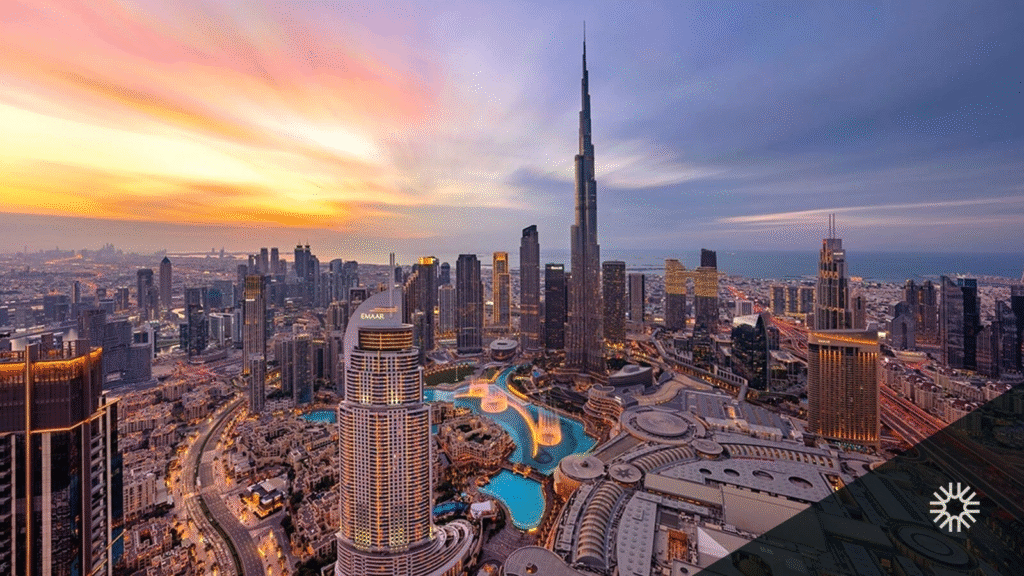
International investor interest remains a cornerstone of market expansion. The UAE’s openness to foreign ownership, strong legal frameworks, and tax efficiency continue to attract global capital.
The market now attracts a diverse mix of institutional investors, family offices, and individual buyers. This diversity reduces reliance on any single region and increases overall market stability.
Investors are increasingly focused on long-term returns rather than quick flips. Rental yields, capital appreciation, and lifestyle value are shaping decision-making, reinforcing sustainability.
The projected growth to AED486bn by 2030 is not an endpoint but a milestone. It reflects the UAE’s ability to align urban development with economic ambition and human needs.
Every element, from policy reforms and population growth to lifestyle evolution and technological innovation, is pushing the market forward with purpose.
What makes the UAE real estate story compelling is its clarity of direction. Growth is not random or reactive; it is strategic, inclusive, and forward-looking.
As cities expand, communities deepen, and investment channels widen, real estate will continue to anchor the UAE’s economic and social landscape.
By 2030, the skyline may look taller, the communities greener, and the market value stronger. But at its core, the success of the UAE real estate market will still be about people choosing to live, invest, and build their future in a place that consistently delivers on its promise.
Do Follow Estate Magazine on Instagram
Read More:- Maktoum bin Mohammed Unveils Bold New Vision For Dubai Real Estate 2025