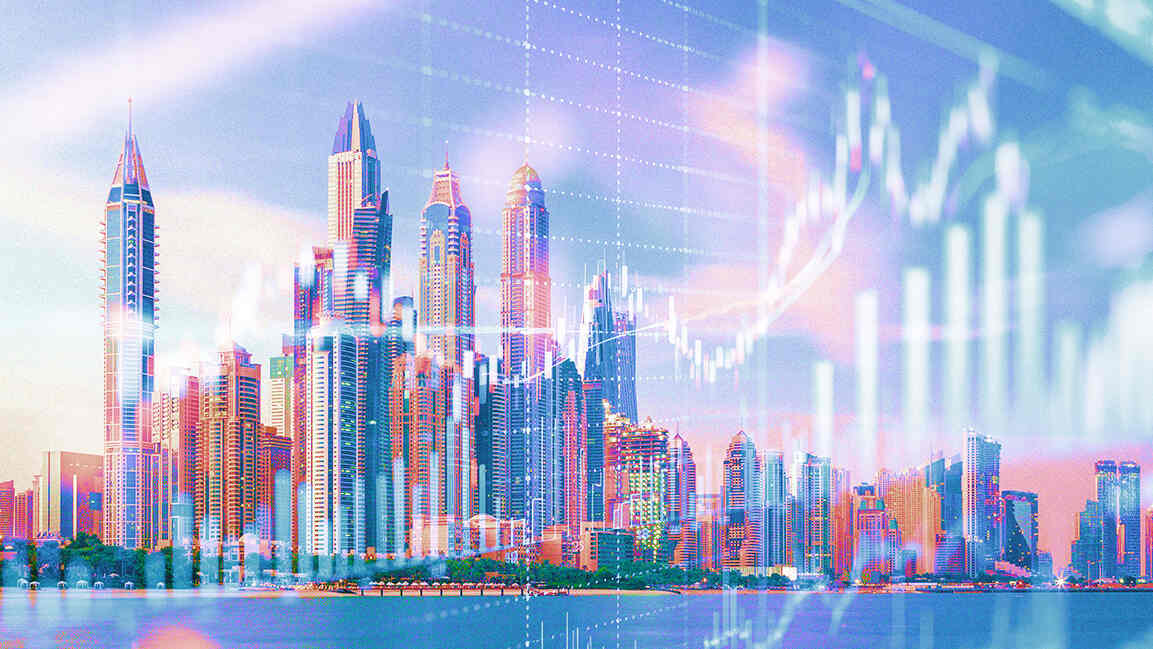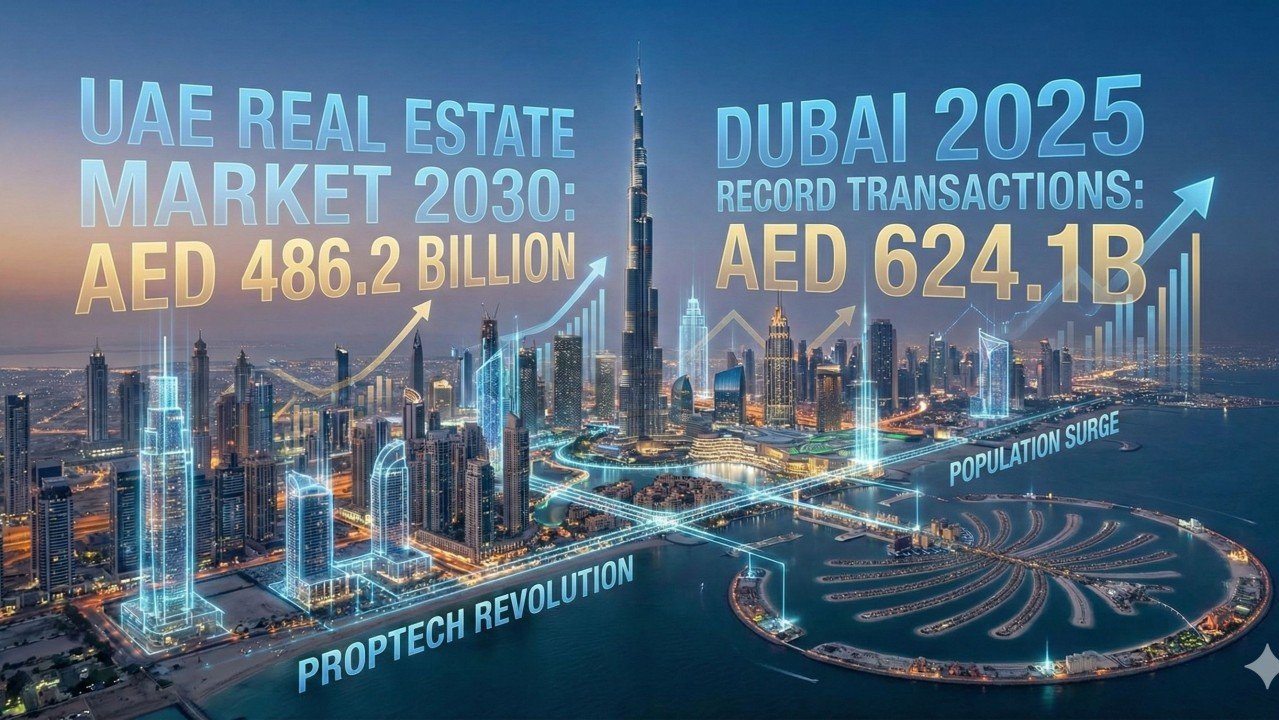
The UAE’s real estate market is on a remarkable path to growth, with projections indicating it could reach AED 486.2 billion by 2030. This surge reflects a combination of factors, including economic diversification, population growth, and strategic government initiatives. As the nation continues to attract global investors and residents alike, understanding the dynamics driving this market is essential for potential buyers, investors, and industry stakeholders.
The UAE’s real estate market has long been a focal point for both local and international investments. Cities like Dubai and Abu Dhabi have established themselves as major hubs, offering a blend of luxury living, innovative architecture, and robust infrastructure.
As of now, the market is characterized by a diverse range of properties, including residential, commercial, and mixed-use developments. The appeal of these properties is heightened by the UAE’s strategic location, which acts as a gateway between East and West, further bolstering its status as a global business center.
Several key factors contribute to the projected growth of the UAE’s real estate market to AED 486.2 billion by 2030.
The UAE government has actively pursued economic diversification to reduce reliance on oil revenues. Initiatives such as the Vision 2021 and the UAE Centennial 2071 aim to create a sustainable and diversified economy. This transition has led to increased investments in real estate, as the sector becomes a vital component of the overall economy.
The UAE continues to experience significant population growth, driven largely by expatriates seeking job opportunities and a high standard of living. This influx has created demand for housing, commercial spaces, and urban infrastructure. The trend of urbanization is also evident, with new developments emerging in strategic locations to accommodate this growing population.
The UAE government has introduced various policies to stimulate the real estate sector. These include long-term residency visas, low-interest rates, and favorable regulations for foreign investors. Such initiatives not only encourage local investment but also attract international buyers, further propelling the market’s growth.
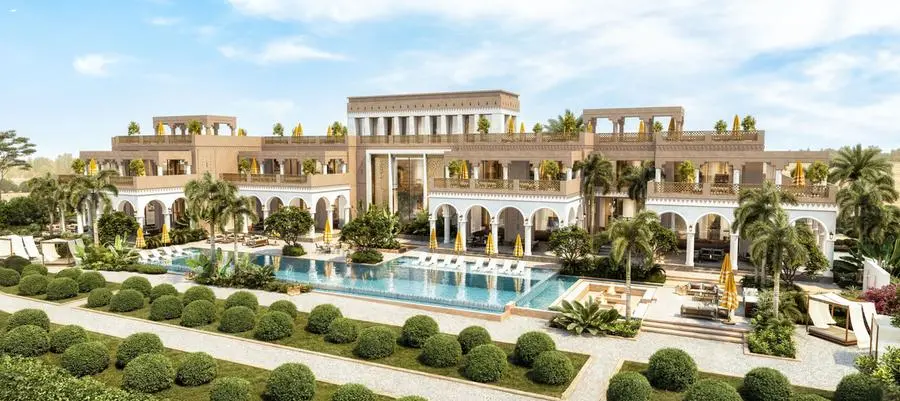
Numerous exciting developments are shaping the future of the UAE’s real estate market. From luxurious residential communities to state-of-the-art commercial spaces, these projects play a crucial role in meeting the rising demand.
Projects such as Expo 2020 and various smart city initiatives are setting the stage for a new era in real estate. These mega developments not only provide a platform for businesses but also enhance the quality of life for residents, making the UAE an attractive destination for living and working.
With a growing emphasis on sustainability, many developers are incorporating eco-friendly practices into their projects. Innovations in construction technology and smart home features are also becoming commonplace, appealing to a more environmentally conscious consumer base.
The UAE’s real estate market is not insulated from global economic trends. Factors such as interest rates, geopolitical stability, and international trade dynamics can influence investment decisions. However, the resilience of the UAE’s economy often mitigates these external shocks, maintaining investor confidence.
The UAE remains a hotspot for foreign investment, particularly in real estate. This influx of capital is crucial for sustaining growth, as international buyers seek opportunities in a stable and lucrative market. The government’s efforts to enhance transparency and regulatory frameworks are also fostering a more attractive investment environment.
Looking ahead, the UAE’s real estate market is poised for continued growth. With projections indicating a market size of AED 486.2 billion by 2030, stakeholders can expect a dynamic landscape characterized by innovation, sustainability, and inclusivity.
As the market matures, consumer preferences are also evolving. Buyers are increasingly looking for properties that offer value beyond mere aesthetics. Factors such as community amenities, connectivity, and sustainability are becoming paramount in decision-making.
Technology is playing an integral role in shaping the future of real estate in the UAE. The rise of proptech solutions is streamlining processes, enhancing customer experiences, and providing valuable insights into market trends. This integration will likely contribute to greater efficiency and transparency in the sector.
In summary, the UAE’s real estate market is set to reach AED 486.2 billion by 2030, driven by economic diversification, population growth, and proactive government policies. As the market evolves, embracing sustainability and technological innovation will be key to meeting the demands of future buyers and investors.
For those looking to invest or purchase property in this thriving market, understanding these dynamics will be critical in navigating the opportunities and challenges ahead. The future is bright for the UAE’s real estate sector, and stakeholders are well-positioned to capitalize on this growth.
Do Follow Estate Magazine on Instagram
Read More:- Middle East’s $100 Billion Investment Boom Is Reshaping the Future