The UAE property market has entered a phase of measured growth, with real estate sales rising 1% in the first eleven months of 2025. The latest data from the relevant government department reveal that despite global economic uncertainties, the local real estate sector has displayed remarkable resilience and optimism. Investors and residents alike are showing renewed confidence, signaling a steady path forward for UAE’s property landscape.
The UAE real estate market has been closely watched by investors for its ability to navigate global economic challenges. The 1% increase in property transactions highlights a market that is not only surviving but showing steady signs of recovery. While the growth might appear modest, it is significant given the broader global slowdown in property markets.
Residential and commercial properties alike have contributed to this growth. In cities like Dubai and Abu Dhabi, demand for premium and mid-range housing continues to strengthen. This is driven by the UAE’s attractive living conditions, tax-free policies, and strategic position as a business hub in the Middle East.
The steady sales trend also reflects the UAE government’s ongoing commitment to support the property sector through innovative policies, visa reforms, and investor-friendly initiatives. Such measures continue to attract foreign buyers and long-term residents to the market.
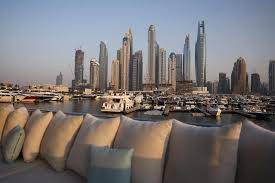
Residential real estate has been the backbone of this market growth. Analysts have noted that villas and apartments in well-connected areas are seeing high demand. Families and expatriates are increasingly looking for spacious homes with modern amenities, while younger professionals are exploring affordable apartments near city centers.
Buyers are also becoming more discerning, carefully evaluating investment options based on location, potential returns, and lifestyle conveniences. This has led developers to focus on high-quality projects with attractive features, such as community spaces, smart home technology, and energy-efficient designs.
In addition, mortgage availability and competitive interest rates have encouraged more first-time buyers to enter the market. This has contributed to the steady uptick in sales, further reinforcing the positive sentiment surrounding the UAE property market.
While residential properties have led the growth, commercial real estate has also played a key role. Office spaces, retail outlets, and mixed-use developments have experienced stable demand. Businesses are increasingly expanding in the UAE due to its favorable business environment, political stability, and connectivity to international markets.
Investors are showing particular interest in co-working spaces and flexible office solutions, reflecting global trends towards hybrid work models. This shift is helping maintain a balanced commercial property sector, where both long-term leases and innovative workspaces coexist successfully.
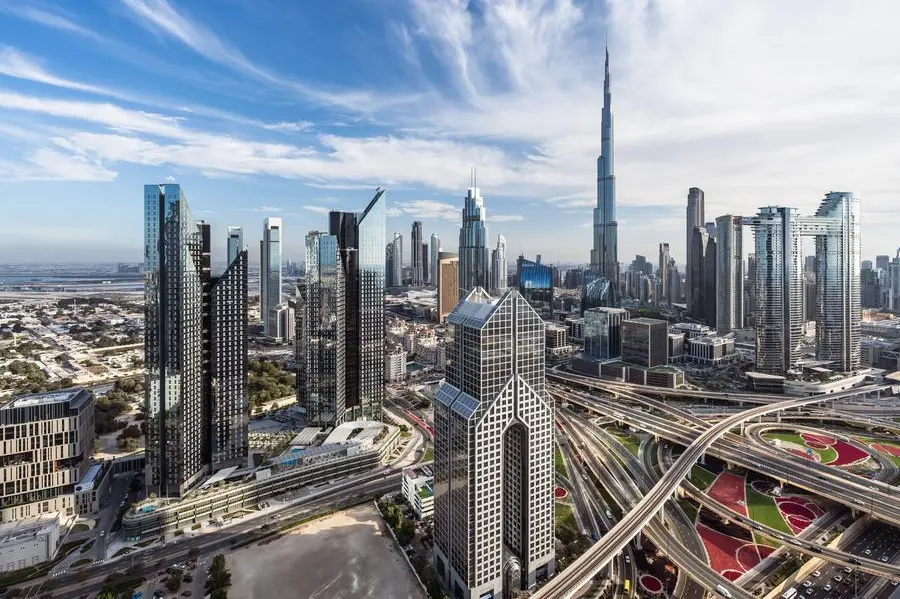
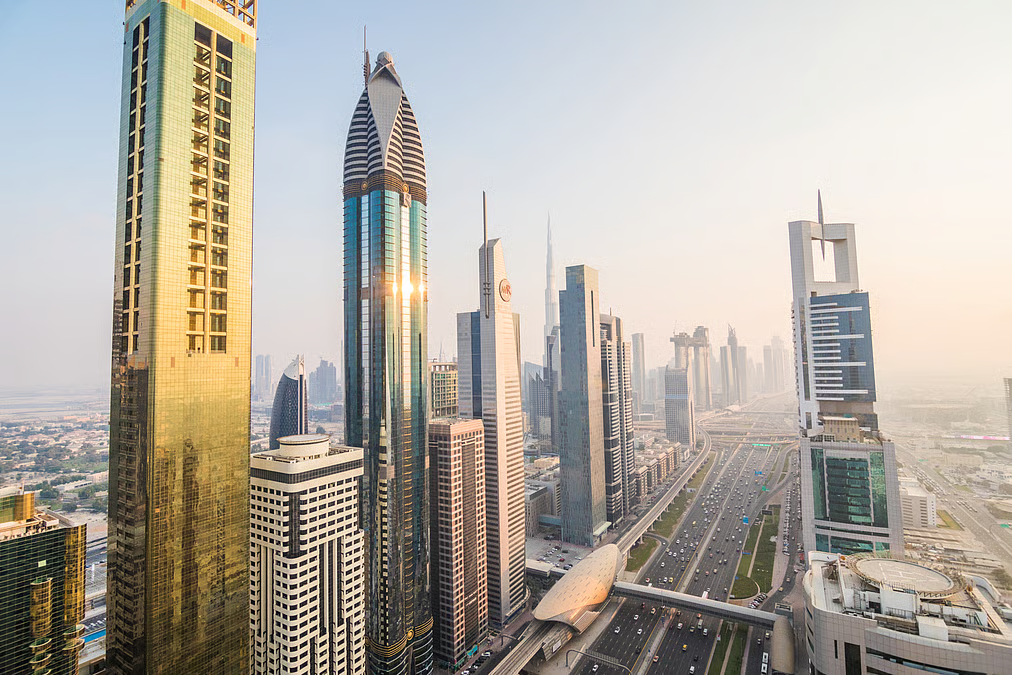
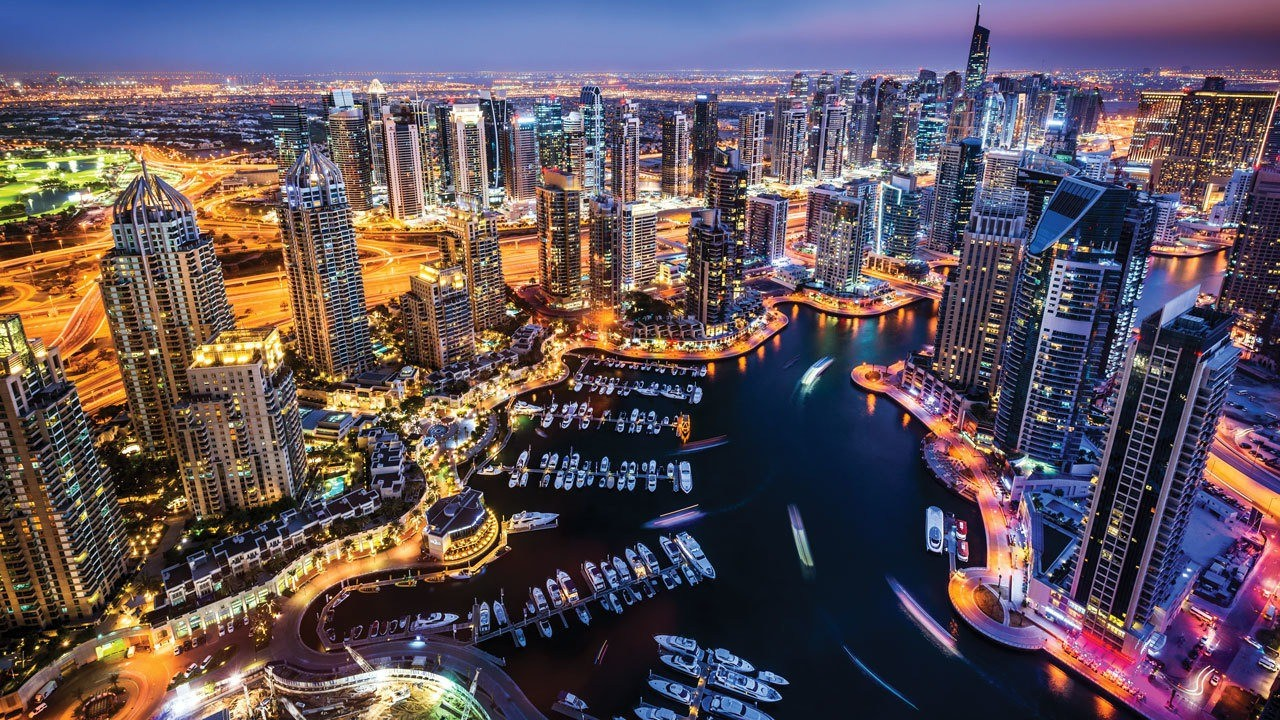
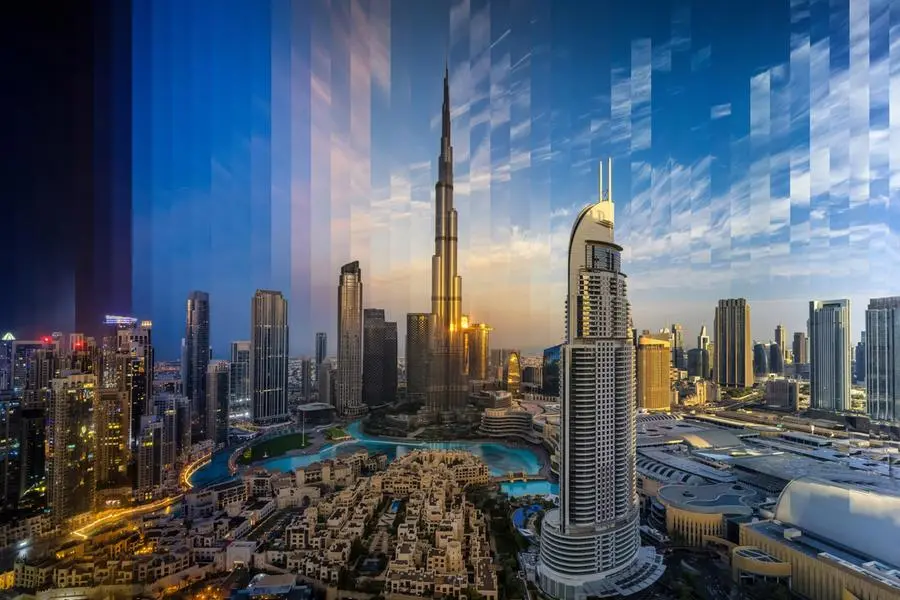
Dubai continues to be the leading city for real estate activity in the UAE. Its iconic skyline, world-class infrastructure, and status as a global business and tourism hub make it an attractive destination for investors. Property hotspots like Downtown Dubai, Business Bay, and Palm Jumeirah have seen consistent sales growth, particularly in luxury and waterfront segments.
Abu Dhabi, with its expanding cultural and economic initiatives, has also seen robust activity. The city’s focus on large-scale developments, government projects, and sustainable living communities has made it appealing to both local and international buyers.
Other emirates, including Sharjah and Ras Al Khaimah, are gradually emerging as investment destinations, offering affordable housing options and attractive long-term growth prospects. This diversification of demand across the UAE contributes to the overall market stability.
The UAE government’s proactive role has been pivotal in sustaining growth. Policies aimed at facilitating property ownership, such as long-term visas for investors and retirees, have made the UAE a more attractive destination. These measures are complemented by transparent real estate regulations and the digitization of property transactions, ensuring a smooth and reliable process for buyers and sellers alike.
Investor confidence has also been bolstered by strategic urban planning and infrastructure projects, which promise to enhance property value across major cities. The emphasis on sustainable and smart communities aligns with global trends, attracting environmentally conscious buyers and international investors looking for future-ready assets.
Despite the positive performance, the market does face challenges. Global economic pressures, fluctuating oil prices, and regional uncertainties can influence investor sentiment. However, the resilience demonstrated by the UAE property market over the past years suggests that it is well-positioned to navigate these challenges.
Experts predict continued steady growth in the coming months, with demand for quality housing and commercial spaces likely to persist. Innovative property solutions, strategic pricing, and government-backed initiatives will play a key role in shaping the future landscape.
The UAE’s real estate sector is proving its strength and adaptability. The 1% increase in sales during the first eleven months of 2025 is a clear indicator of a market that is not just surviving but carefully thriving. With strong residential and commercial demand, proactive government policies, and growing investor confidence, the UAE property market is on a path toward sustainable growth.
Whether you are an investor seeking long-term value, a family looking for a dream home, or a business exploring strategic expansion, the UAE real estate market presents opportunities that are both promising and stable. As the country continues to innovate and evolve, the real estate landscape is expected to remain vibrant, attractive, and resilient.
Do Follow Estate Magazine on Instagram
Read More:- Palm Hills Sets Bold $7 Billion Abu Dhabi Sales Ambition