The UAE real estate market has been a dynamic landscape, characterized by its rapid growth and resilience. Recently, the historical Q1 and Q3 sales surges have captured the attention of investors, analysts, and homebuyers alike. This article delves into the factors contributing to these record performances, the implications for the market, and what the future may hold for UAE real estate.
The real estate sector in the UAE has witnessed notable sales surges in both Q1 and Q3. These periods have not only showcased remarkable transaction numbers but also highlighted a shift in buyer behavior and market dynamics.
Several factors have played a pivotal role in driving these surges. One of the most significant is the recovery following the global pandemic. As restrictions eased, confidence surged, encouraging both domestic and international buyers to reinvest in the market.
In addition, government initiatives aimed at boosting the economy have created a favorable environment for real estate investments. Policies such as visa reforms and long-term residency options have attracted foreign investors, further amplifying sales.
Economic stability is a cornerstone of the UAE’s real estate success. The country has seen a steady rise in GDP, which has laid the groundwork for increased consumer confidence. This economic backdrop has been essential in supporting the surge in sales, particularly in Q1 and Q3.
Another contributing factor is the competitive mortgage rates that have made property ownership more accessible. With favorable lending conditions, more individuals are stepping into the market, driving demand for residential and commercial properties.
The luxury segment has particularly thrived, with high-net-worth individuals seeking properties that offer both lifestyle and investment potential. This trend has significantly boosted the overall performance of the UAE real estate market.
While the UAE is home to several thriving real estate markets, certain areas have stood out during the recent sales surges.
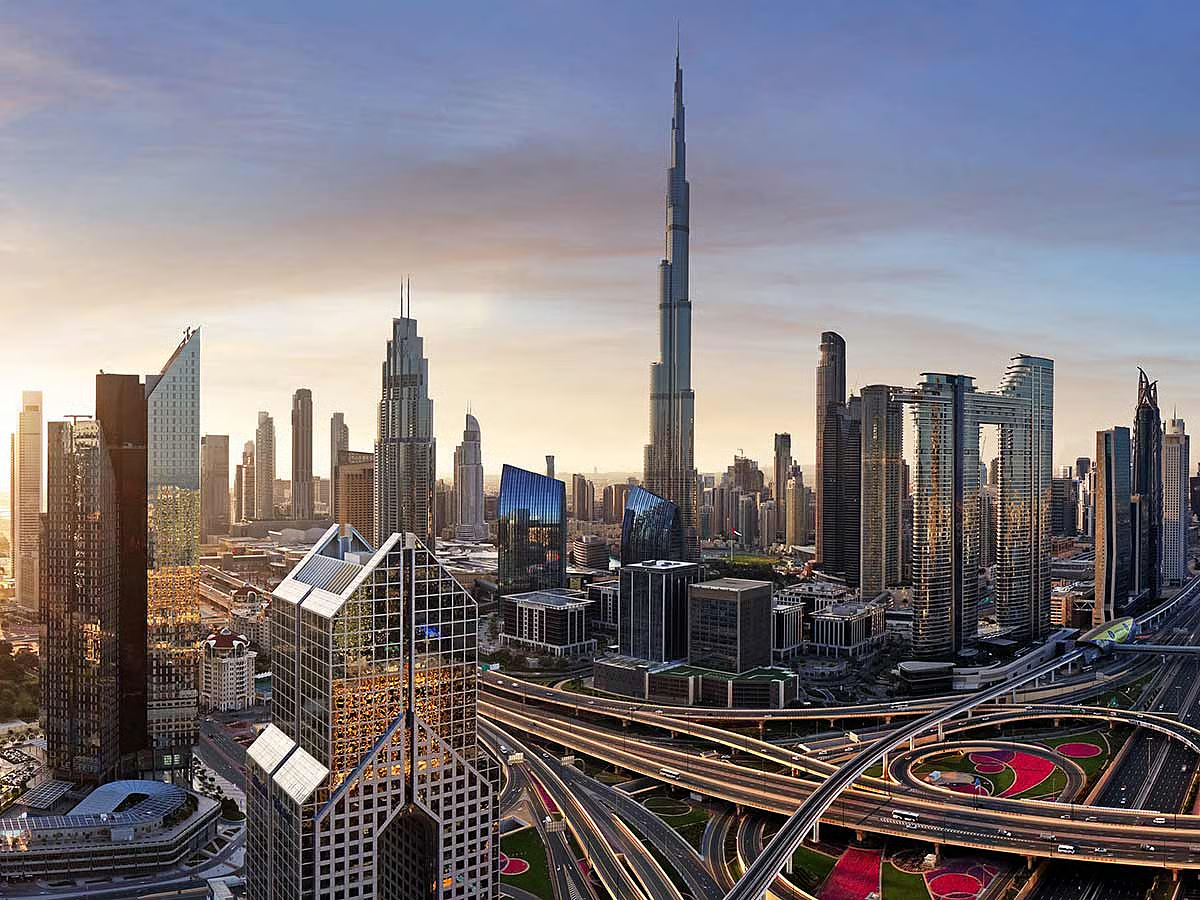
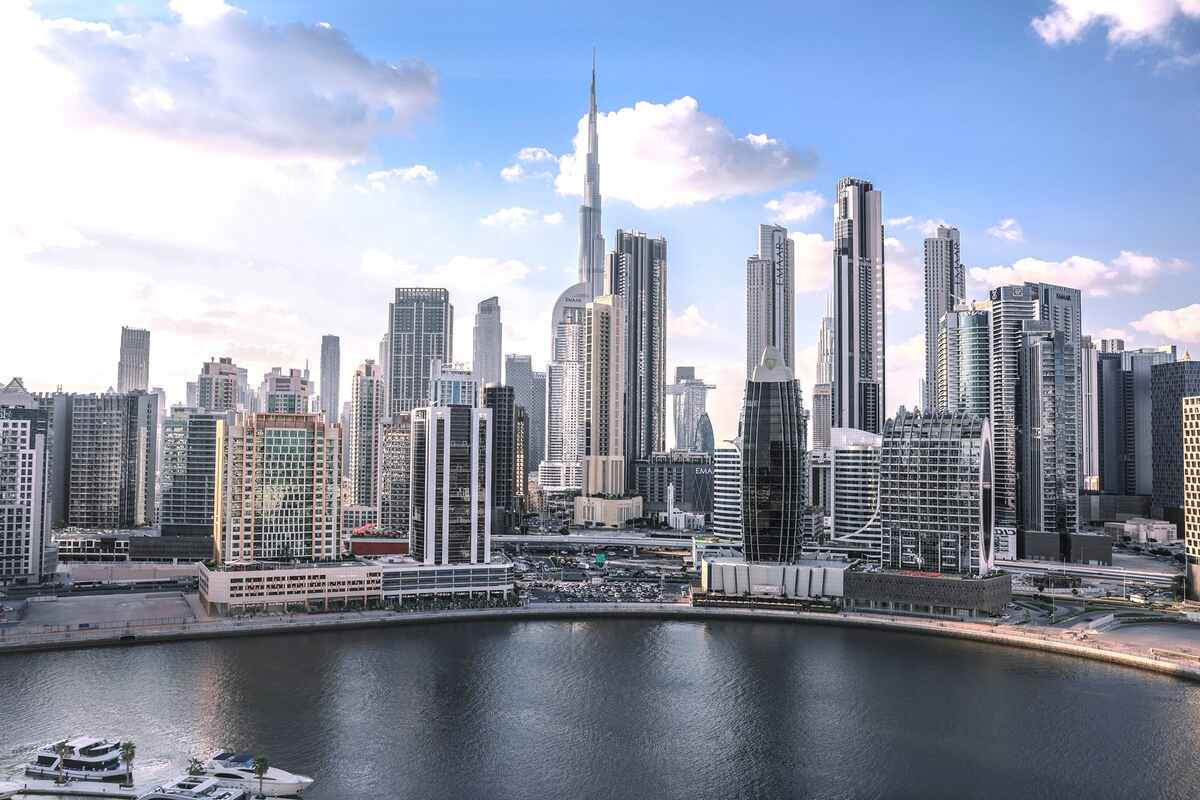
Dubai remains a focal point, known for its iconic skyline and luxurious living options. The city has seen a remarkable increase in off-plan sales, with developers launching new projects to cater to the rising demand.
Abu Dhabi also contributes to the robust performance. The emirate has focused on diversifying its economy and enhancing its real estate offerings, making it an attractive destination for buyers.
Emerging markets such as Sharjah and Ajman are experiencing growth as well, driven by affordability and increased investment in infrastructure. These markets present unique opportunities for investors looking to capitalize on the expanding UAE real estate landscape.
The rise of technology in the real estate sector cannot be overlooked. Digital platforms have transformed the way buyers and sellers interact, making it easier to access market information and complete transactions.
Virtual tours, drone footage, and augmented reality have become essential tools for realtors, giving potential buyers an immersive experience of properties from the comfort of their homes. This technological shift has not only increased sales but also broadened the buyer pool, attracting international clients who may not be able to visit the UAE in person.
As we look toward the future, the outlook for the UAE real estate market remains optimistic. The historical Q1 and Q3 sales surges are indicative of a resilient market poised for continued growth.
Sustainability is becoming a key focus, with developers increasingly investing in eco-friendly projects. As global awareness of environmental issues rises, properties that prioritize sustainability are likely to attract discerning buyers.
Furthermore, as the UAE continues to host major events, such as Expo 2020 and the upcoming World Cup, the spotlight on its real estate market is set to intensify. These events not only boost tourism but also promote long-term investments and infrastructure development.
In conclusion, the historical Q1 and Q3 UAE real estate sales surges represent a significant chapter in the evolution of the market. Driven by economic stability, technological advancements, and government initiatives, the performance has set a remarkable standard for future growth.
As the UAE continues to innovate and adapt to changing market conditions, it is likely that the real estate sector will remain a cornerstone of the economy, attracting investors and homeowners alike.
With these dynamics at play, the potential for future sales surges and record performances remains high. The UAE real estate market is not just thriving; it is transforming into a beacon of opportunity for those ready to embrace it.
Do Follow Estate Magazine on Instagram
Read Next – Dubai Property Market Soars With 50,000 Homes Sold in One Quarter