The UAE’s real estate sector in 2025 is experiencing significant transformations, driven by technological advancements, regulatory changes, and evolving market dynamics. This article provides an overview of the latest updates in UAE real estate services, offering insights for investors, developers, and buyers.
The UAE’s property landscape is no longer just about buying or selling; it’s about embracing innovation, transparency, and long-term strategic growth. The key takeaway is clear: adapt to the changes, leverage technology, and prioritize sustainable investments to thrive in this dynamic market.

The integration of technology into real estate transactions is reshaping the industry. The Dubai Land Department has partnered with fintech companies like Crypto.com to facilitate blockchain-based property transactions. This initiative aims to streamline processes, enhance transparency, and attract a global investor base. Additionally, the adoption of digital platforms for property listings and transactions is increasing, making it more convenient for buyers and sellers to engage in the market.
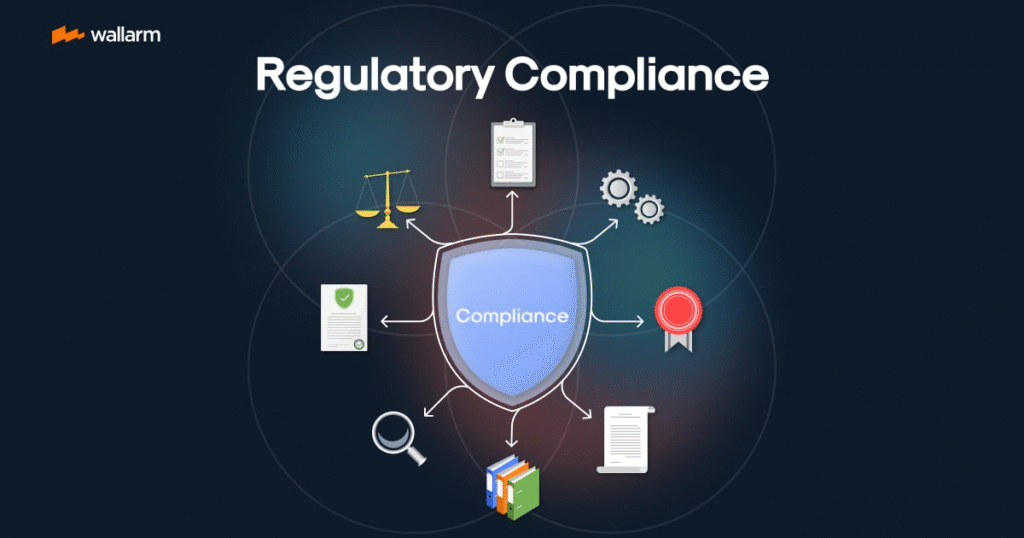
In 2025, the UAE government has introduced stricter regulatory measures to ensure the integrity of the real estate market. The implementation of Anti-Money Laundering (AML) and Know Your Customer (KYC) protocols has become mandatory for all real estate transactions. These regulations require real estate firms to verify the identity and source of funds of their clients, promoting transparency and reducing the risk of illicit activities. Developers and brokers are now required to conduct enhanced due diligence, particularly when dealing with high-risk buyers.
The UAE real estate market has witnessed robust growth in recent years. However, experts predict a period of stabilization starting in late 2025. According to Fitch Ratings, property prices in Dubai are expected to decline by up to 15% due to an increase in housing supply, with 210,000 units set for delivery over the next two years. Despite this anticipated correction, the market remains fundamentally strong, supported by factors such as population growth, foreign investment, and government initiatives.
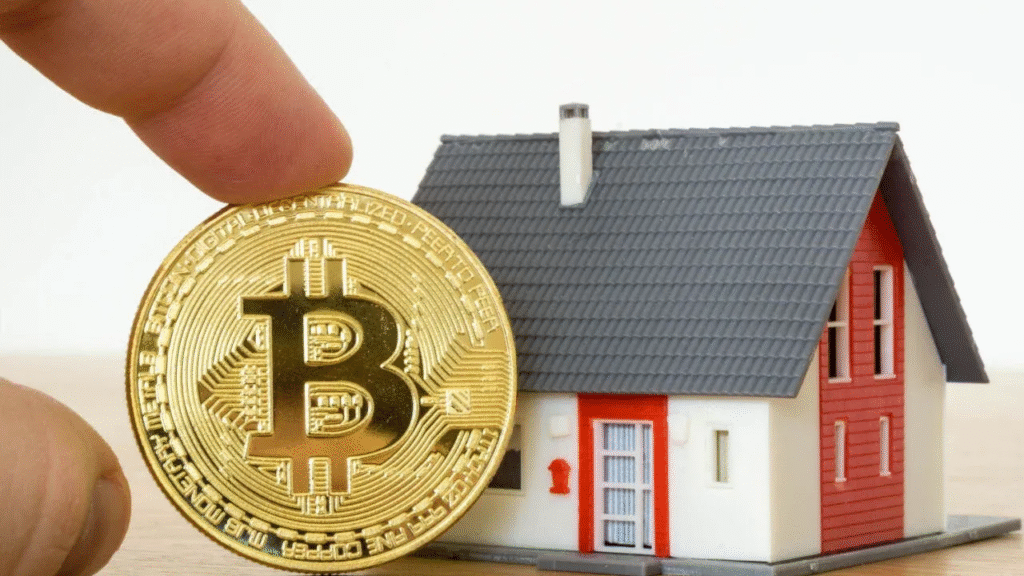
A notable development in 2025 is the acceptance of cryptocurrency as a valid payment method for real estate transactions. RAK Properties, a prominent developer in Ras Al Khaimah, has partnered with Hubpay to enable global crypto payments for property purchases. This move aligns with the UAE’s Vision 2030 economic development strategy and aims to attract a tech-savvy investor demographic. The collaboration allows international buyers to use digital currencies to purchase properties, specifically in RAK’s Mina beachfront community.

The UAE continues to attract foreign investors due to its favorable economic policies and strategic location. In the first half of 2025, Dubai recorded over $117 billion in real estate deals, a 25% year-on-year increase. The influx of international buyers, particularly from the UK, has been notable. The depreciation of the UAE dirham against the British pound has made property in Dubai more affordable for UK investors, leading to a 62% rise in British investment in Dubai homes in Q2 2025.
Developers in the UAE are shifting their focus towards sustainable and affordable housing projects. The government has introduced incentives for developers to build energy-efficient and environmentally friendly properties. Additionally, there is an emphasis on creating mixed-use communities that offer a blend of residential, commercial, and recreational spaces. This approach aims to meet the growing demand for affordable housing options while promoting sustainable urban development.

Looking ahead, the UAE’s real estate sector is expected to continue its growth trajectory, albeit at a more measured pace. The government’s commitment to economic diversification and sustainable development will play a crucial role in shaping the future of the industry. Initiatives such as the Dubai Real Estate Strategy 2033 aim to integrate blockchain and digital assets into property transactions, further enhancing the sector’s efficiency and transparency.
In conclusion, the UAE’s real estate services in 2025 are characterized by technological advancements, regulatory enhancements, and a shift towards sustainability. Investors and stakeholders are advised to stay informed about these developments to navigate the evolving market landscape effectively.
The UAE real estate sector in 2025 is evolving at an unprecedented pace, combining innovation, regulation, and sustainability. Digital platforms, blockchain integration, and cryptocurrency adoption are making transactions faster and more transparent, attracting both local and international investors. Regulatory measures, including AML and KYC compliance, ensure a safer and more reliable market, while government initiatives and strategic urban planning are fostering affordable and sustainable housing.
For investors and buyers, staying updated with these trends is crucial. While the market shows signs of stabilization, opportunities for growth and high returns remain, particularly in mixed-use developments and emerging communities. By understanding these new updates, stakeholders can make informed decisions, maximize their investments, and align with the UAE’s vision for a smart, transparent, and sustainable real estate future.
READ MORE:- Shobha Realty Launches Its Most Luxurious Project Yet—Full Details Inside 2025