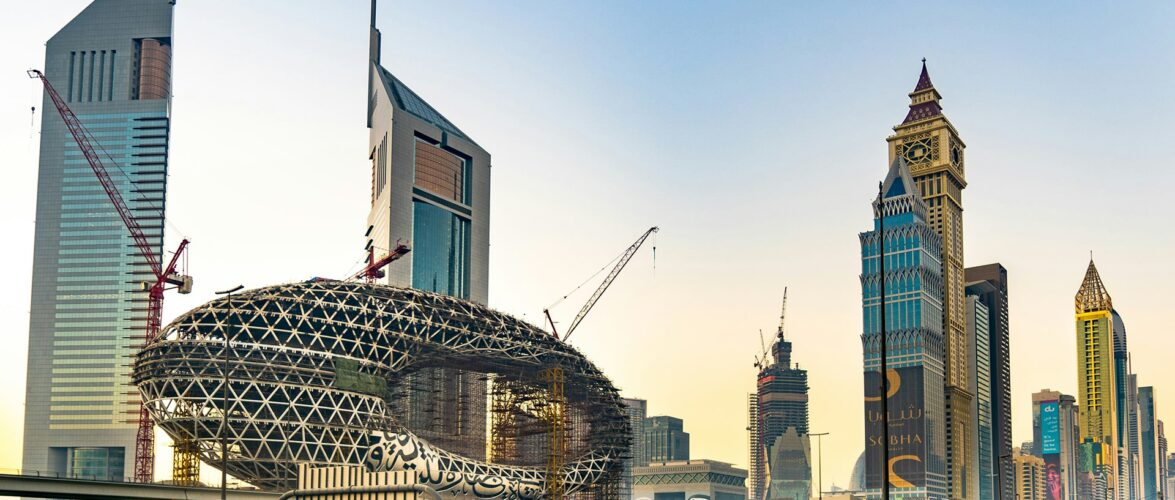

The UAE real estate market is experiencing a significant transformation, driven by changing demand patterns that are directly influencing how developers, investors, and financiers operate. Traditional approaches to property investment are being redefined as buyers increasingly seek flexible, lifestyle-focused, and financially rewarding options. This shift is not just about luxury living anymore; it is about practicality, convenience, and future-proof investments that align with personal and business goals.
Recent years have seen a surge in demand for properties that offer mixed-use functionality. Buyers are no longer solely interested in owning a residence; they are looking for spaces that blend living, working, and leisure seamlessly. This trend is particularly evident in Dubai and Abu Dhabi, where integrated communities with residential, commercial, and recreational facilities are gaining popularity.
Operational needs are evolving alongside demand. Developers are adopting agile project management and technology-driven solutions to meet the growing expectations of buyers and investors. Real estate financing models are also shifting to accommodate these changes, offering more flexible payment plans, higher returns, and tailored investment solutions.
The role of finance in shaping the UAE real estate market cannot be overstated. With billions of dollars in annual property transactions, financial institutions, investors, and developers are increasingly leveraging data and analytics to understand emerging trends.
One of the most significant developments is the rise of innovative financing options. From structured real estate investment funds to mortgage plans designed for expatriates and first-time investors, finance is now a key enabler of market expansion. Investors are no longer confined to traditional residential or commercial projects; there is a growing appetite for developments that combine sustainable design, technology integration, and high rental yield potential.
Moreover, operational efficiency is becoming a key factor in financial planning. Developers are increasingly focusing on optimizing construction timelines, reducing costs, and adopting smart building solutions that enhance long-term value. This approach aligns with the financial sector’s growing emphasis on risk management and sustainable returns.

UAE’s real estate demand is being redefined by the profile of modern buyers. The market now caters to a diverse audience that includes high-net-worth individuals, expatriates seeking long-term stability, and local investors looking for strategic portfolio growth.
Millennials and Gen Z buyers are particularly influential in shaping demand patterns. These groups prioritize lifestyle-oriented living spaces, proximity to work, access to digital infrastructure, and environmentally sustainable communities. Financial models are evolving to match these preferences, offering fractional ownership, rent-to-own schemes, and flexible mortgages that appeal to younger investors.
Additionally, there is a rising trend of international investors eyeing UAE real estate for its political stability, high rental yields, and business-friendly environment. This has encouraged developers to tailor their operational strategies to attract global buyers while offering financing solutions that reduce barriers to entry.
Operational needs in the UAE real estate sector are being driven by the necessity to meet evolving demand efficiently. Developers are investing in advanced construction technologies, modular designs, and AI-driven project management tools to deliver projects faster and more cost-effectively.
Smart homes and integrated community solutions are now central to operational planning. Properties equipped with energy-efficient systems, advanced security features, and connected digital platforms not only appeal to buyers but also enhance long-term financial returns. Operational innovation ensures that developers can balance quality with affordability while staying competitive in a fast-evolving market.
Additionally, property management has become more sophisticated. Companies now focus on enhancing tenant experience, leveraging predictive analytics to maintain occupancy rates, and using automated systems for maintenance and administration. This operational shift aligns closely with investor expectations for consistent income and minimal operational risk.
Sustainability has become a core aspect of both demand and operational strategy in UAE real estate. Buyers increasingly prefer environmentally responsible developments, while financial institutions are offering incentives for green buildings and sustainable projects.
Environmental, Social, and Governance (ESG) considerations are shaping investment patterns, with developers prioritizing energy efficiency, water conservation, and green infrastructure. Financial models now incorporate ESG compliance as a key metric for risk assessment and long-term viability.
This focus on sustainability also supports operational efficiency. Smart energy systems, renewable energy integration, and green construction methods reduce operational costs while enhancing the property’s market value. Investors and buyers are now more willing to pay a premium for properties that meet sustainability standards, reinforcing the link between finance, operational strategy, and demand.
Technology is revolutionizing how demand is interpreted and how operational needs are addressed. Real estate analytics platforms, AI-driven market insights, and digital transaction platforms are enabling developers and financiers to make more informed decisions.
Virtual reality (VR) and augmented reality (AR) tools allow prospective buyers to explore properties remotely, while blockchain technology is simplifying secure property transactions and financing agreements. Operationally, IoT devices and smart infrastructure enhance building efficiency, reduce maintenance costs, and improve tenant satisfaction.
Financiers are also leveraging technology to develop customized loan products and investment solutions based on predictive market data. This integration of tech into both finance and operations ensures that developers remain agile in responding to changing demand patterns.
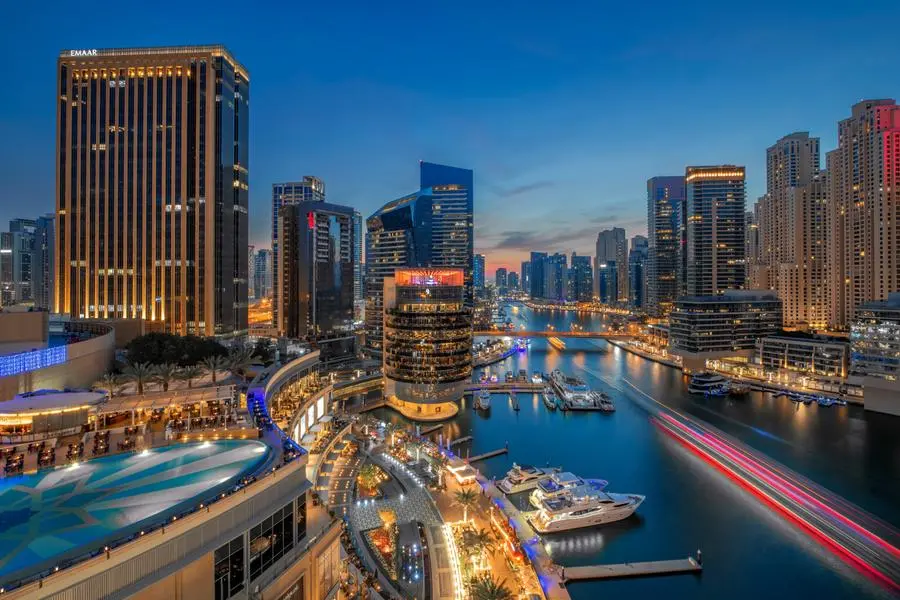
Government policies in the UAE play a pivotal role in shaping real estate demand and operational strategies. Initiatives such as long-term residency visas, flexible ownership laws for expatriates, and investor-friendly taxation policies have fueled demand for property ownership and investment.
Operationally, regulatory frameworks ensure quality, safety, and transparency, giving investors confidence in their decisions. Developers must comply with building codes, sustainability requirements, and property registration regulations, which necessitate efficient planning and execution.
Financial institutions, in turn, design products that align with these regulations, providing secure and compliant pathways for investors to enter the market. The synergy between policy, finance, and operational execution is creating a more resilient and dynamic real estate ecosystem.
The UAE real estate market is entering a phase where agility and innovation will determine success. Developers who can anticipate changing buyer preferences, adopt operational efficiencies, and align with financial innovations will thrive in this evolving landscape.
Demand will continue to be shaped by global economic trends, technology adoption, lifestyle shifts, and sustainability considerations. Finance will remain a central enabler, providing tailored solutions that support diverse buyer profiles and investment strategies. Operational excellence, driven by technology and ESG principles, will ensure timely delivery, quality assurance, and long-term profitability.
In conclusion, the convergence of evolving demand patterns, operational innovation, and strategic financing is defining the future of UAE real estate. Stakeholders who embrace this holistic approach will not only meet market expectations but also drive sustainable growth in one of the world’s most dynamic property markets.
Do Follow Estate Magazine on Instagram
Read More:- Dubai’s Wealth Explodes Beyond $1.15tn in Massive Growth Wave