The United Arab Emirates (UAE) has long been a focal point for international investors and expatriates, known for its vibrant economy and diverse lifestyle options. However, recent trends suggest an intriguing phenomenon: despite record demand in certain sectors, rent stability is remarkably holding its ground. This article delves into the factors contributing to this stability, the implications for residents and investors, and what the future may hold for the UAE rental market.
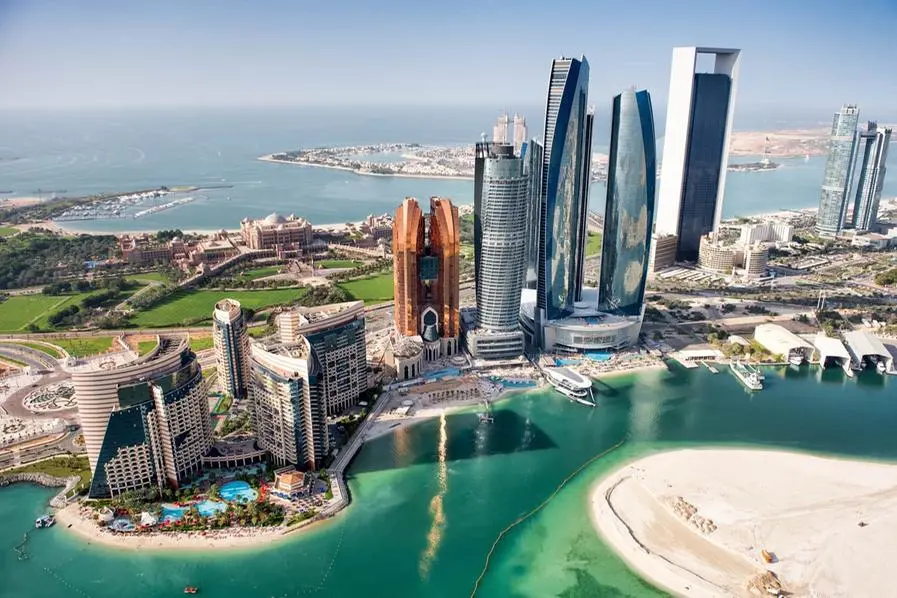
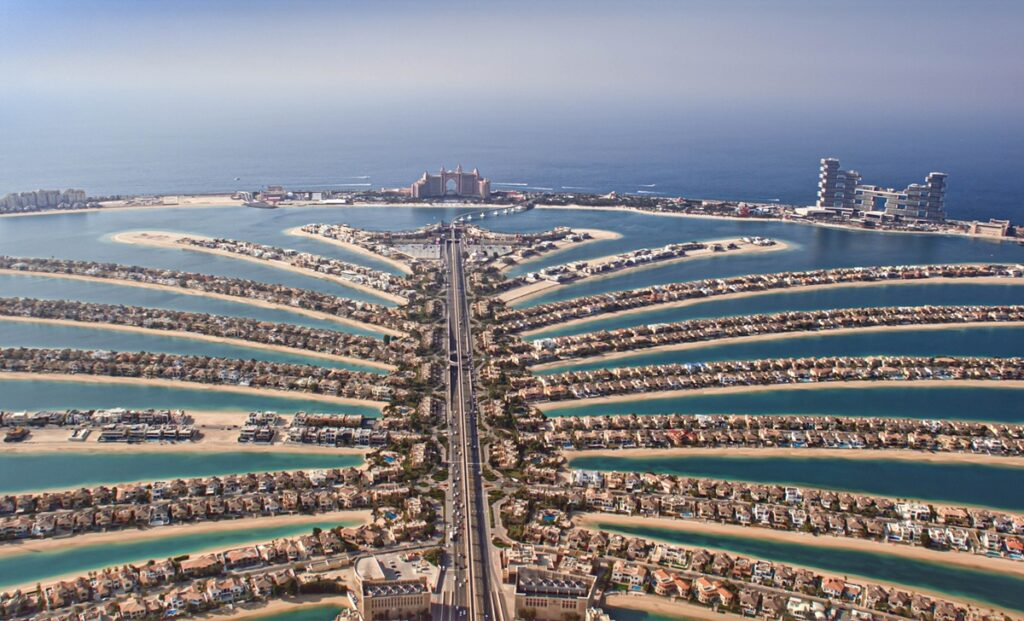
As we navigate through the complexities of the UAE rental market, it’s essential to understand the current landscape. Various sectors, particularly in cities like Dubai and Abu Dhabi, have experienced unprecedented demand. Luxury apartments, villas, and high-end commercial spaces are more sought after than ever, prompting speculation about potential rent hikes.
However, the reality is quite different. The UAE has managed to maintain a level of rent stability, which can be attributed to several key factors.
One of the primary reasons for the UAE’s rent stability is the proactive approach taken by the government. Regulatory measures have been implemented to safeguard tenants and ensure that rental prices do not spiral out of control.
These policies include:
Rent Caps: The introduction of rent caps in various emirates prevents landlords from increasing rents beyond a certain percentage, allowing tenants to enjoy predictable housing costs.
Transparency in Transactions: The UAE’s Real Estate Regulatory Agency has worked towards creating a transparent environment where tenants can access essential information about rental agreements and property prices.
These measures not only support existing residents but also encourage new expatriates to consider the UAE as a viable long-term residence.
The UAE’s robust economy plays a significant role in maintaining rent stability. While demand has surged in specific sectors, such as luxury real estate, the overall economic landscape remains balanced.
Diversification of the Economy: The UAE has taken significant strides in diversifying its economy away from oil dependency. This diversification has led to more job opportunities across various sectors, stabilizing the population growth rate and preventing an overwhelming surge in housing demand.
Inflation Control: The Central Bank of the UAE has also been vigilant in managing inflation rates. By keeping inflation in check, housing prices remain stable, allowing rents to reflect the actual market conditions rather than inflated economic pressures.
While demand has surged in specific sectors, the supply of housing has also seen substantial growth. New developments are consistently entering the market, catering to various segments of the population.
High-Quality Developments: The introduction of new, high-quality developments has increased competition among landlords, which in turn stabilizes rental prices. With more options available, tenants have the leverage to negotiate, ensuring that rent remains consistent.
Focus on Affordable Housing: The UAE government has prioritized affordable housing projects, ensuring that even amidst a booming rental market, there are options for mid-income families. This focus on inclusivity further reinforces rent stability across diverse demographics.
Expatriates have always played a pivotal role in shaping the UAE housing market. Their presence often leads to fluctuations in demand; however, the current trend showcases a more stable renting scenario.
Long-Term Residency: Many expatriates are opting for long-term leases rather than short-term rentals. This trend contributes to a steady demand for housing, which helps maintain a stable rental market.
Community Building: As expatriates settle into communities, the demand for residential spaces stabilizes as well. This community aspect encourages a more balanced approach to rental pricing, allowing for stability even in high-demand areas.
Looking ahead, the outlook for UAE rent stability remains positive. Continued government initiatives and economic diversification will likely support this trend.
Sustainable Growth: As the UAE focuses on sustainable growth and development, the rental market is expected to align with these values. This means a greater emphasis on affordability and accessibility, which will further contribute to stability.
Technological Advancements: The integration of technology in real estate transactions and property management will enhance transparency and ease, which can help maintain rent stability. As digital platforms become more prevalent, the rental process will become more efficient, benefiting both tenants and landlords.
In summary, the UAE’s unique approach towards maintaining rent stability amid record demand in some sectors is commendable. Regulatory measures, economic factors, and the influence of expatriates all play crucial roles in ensuring that the rental market remains balanced. As we look to the future, the UAE continues to be an attractive destination for residents and investors alike, promising a stable and vibrant living environment.
Do Follow Estate Magazine on Instagram
Read Next – Property Portals Secure $170m as Mubadala Leads New Funding Rounds