Navigating the real estate landscape in the UAE can be a thrilling yet daunting experience. One of the crucial aspects to grasp is how rental contracts work in different emirates. Each emirate has its own rules, regulations, and cultural nuances that influence rental agreements, making it essential for both landlords and tenants to understand these variations.
In this article, we will explore how rental contracts function across the Emirates, highlighting the unique characteristics of each region, the rights and responsibilities of parties involved, and tips for ensuring a smooth rental experience.
A rental contract is a legally binding agreement between a landlord and a tenant that outlines the terms of renting a property. It typically includes details such as the rental amount, duration of the lease, payment terms, and the rights and obligations of both parties.
Understanding how rental contracts work in different emirates starts with recognizing the common elements that are typically included in these agreements. This includes:
Duration of Lease: Most rental contracts specify a fixed term, often one year, but some may offer flexibility with shorter or longer leases.
Security Deposits: Landlords usually require a security deposit, commonly equivalent to one month’s rent, which is refundable at the end of the lease, provided there are no damages or unpaid dues.
Maintenance Responsibilities: The contract should clearly define who is responsible for property maintenance and repairs.
Termination Clauses: Understanding the conditions under which either party can terminate the contract is vital to avoid disputes.

Dubai stands out with its bustling real estate market, attracting both local and expatriate tenants. The Dubai Rental Law governs rental contracts, ensuring the rights of both landlords and tenants are protected.
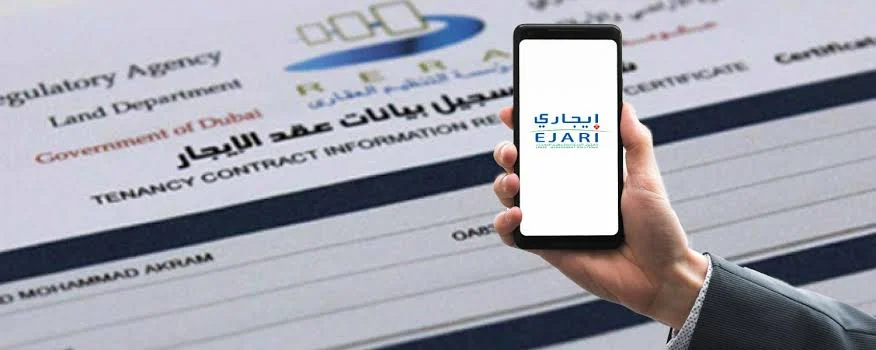
One key aspect of rental agreements in Dubai is the requirement for rental contracts to be registered with the Real Estate Regulatory Agency (RERA). This registration provides legal protection and helps prevent disputes.
Additional elements specific to Dubai include:
Rent Increase Guidelines: The Dubai Rent Index dictates permissible rent increases, which landlords must adhere to when renewing contracts.
Eviction Procedures: In Dubai, landlords must follow a legal process for eviction, which includes providing tenants with a notice period depending on the reason for eviction.
In Abu Dhabi, the rental market is regulated by the Department of Urban Planning and Municipalities. Rental contracts in this emirate are generally straightforward, focusing on transparency and clarity.
Key features of rental contracts in Abu Dhabi include:
Standardized Contracts: The government provides standardized contracts to ensure consistency and fairness in rental agreements.
Rental Increase Limits: Similar to Dubai, there are regulations regarding rent increases, but they tend to be less stringent, allowing for more negotiation between landlords and tenants.
Tenancy Dispute Resolution: Abu Dhabi has a dedicated court for resolving tenancy disputes, ensuring that issues can be addressed fairly and efficiently.
Sharjah presents a unique blend of traditional values and modern living, which is reflected in its rental contracts. The rental process here is less formalized compared to Dubai and Abu Dhabi, often relying on personal relationships and community trust.
Key aspects of rental contracts in Sharjah include:
Negotiation Flexibility: Many landlords are open to negotiating terms, especially with long-term tenants, creating a more personalized rental experience.
Cultural Sensitivity: Understanding local customs is essential, as cultural norms may influence expectations around maintenance, payment schedules, and lease renewals.
Limited Regulations: Unlike its neighboring emirates, Sharjah has fewer regulations governing rental contracts, which may lead to variability in contract terms and enforcement.
Ajman is known for its affordability, making it an attractive option for those seeking lower rental costs. Rental contracts in Ajman are relatively straightforward, often resembling those in Sharjah.
Highlights of rental contracts in Ajman include:
Simplified Terms: Contracts are often short and simple, focusing on essential terms without excessive legal jargon.
Low Security Deposits: Generally, security deposits in Ajman may be lower than in Dubai or Abu Dhabi, making it easier for tenants to secure accommodation.
Eviction Rights: Landlords still have rights to evict tenants, but the process is usually less formal than in larger emirates.

Fujairah and Ras Al Khaimah offer a more tranquil living environment, with rental contracts that reflect the local lifestyle. The rental agreements in these emirates are less complex and often cater to long-term residency.
Key features in these regions include:
Community Focus: In both Fujairah and Ras Al Khaimah, community relationships play a significant role in rental agreements, with long-term leases being common.
Informal Contracts: While written contracts are encouraged, many landlords may still rely on verbal agreements, emphasizing trust.
Affordability: Rental prices in these emirates are generally lower, providing tenants with economical living options.
Understanding how rental contracts work in different emirates is crucial for anyone looking to rent property in the UAE. Each emirate has its unique regulations, cultural considerations, and market dynamics that influence the rental process.
By being informed about these differences, both landlords and tenants can foster a more positive rental experience, minimizing misunderstandings and ensuring compliance with local laws.
Whether you’re navigating the bustling market of Dubai or the quieter landscapes of Fujairah, knowledge is your best ally in making informed decisions.
Do Follow Estate Magazine on Instagram
Read More:- Rental Lease Options: Should You Renew or Switch? 2026