The United Arab Emirates (UAE) is home to more than 10 million residents, a number that has been growing steadily over the past decades. With its glittering skyscrapers, booming economy, and modern infrastructure, the UAE attracts people from across the world. Today, nearly 90% of its population consists of expatriates who live, work, and raise families in the country.
For many residents, the UAE is not just a temporary stop but a long-term home filled with opportunities and a high standard of living. From Dubai’s luxury lifestyle to Abu Dhabi’s cultural richness and Sharjah’s family-friendly atmosphere, each emirate offers a unique experience for its residents.
In this article, we explore what life is like for UAE residents the benefits, challenges, and the changes shaping their future.
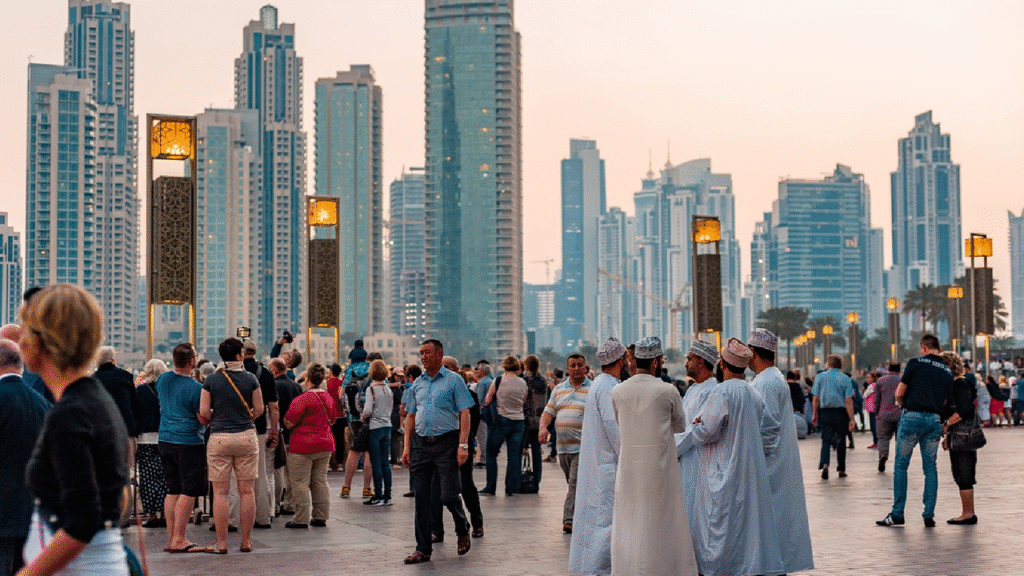
The UAE is one of the most cosmopolitan countries in the world. Residents come from over 200 nationalities, including large communities from India, Pakistan, the Philippines, Europe, and Africa. This diversity has created a melting pot of cultures, traditions, and languages.
For many expatriates, the UAE is a land of opportunity. Whether it is working in finance, real estate, technology, tourism, or healthcare, professionals find jobs that allow them to grow their careers while enjoying a tax-free income.
But it’s not just about work. The country’s lifestyle is equally attractive. Residents enjoy world-class shopping malls, sandy beaches, desert adventures, luxury dining, and vibrant nightlife. At the same time, families benefit from international schools, modern healthcare facilities, and safe communities.

While the UAE offers a high standard of living, the cost of living is something residents always consider. Housing is often the largest expense, with rent in Dubai and Abu Dhabi taking a big share of salaries. Food, utilities, and school fees also add to the monthly budget.
However, many residents say the benefits outweigh the costs. The absence of income tax, availability of public transport, and wide range of affordable dining options help balance expenses. Additionally, frequent sales and shopping festivals make luxury items more accessible.
Traditionally, expatriates in the UAE viewed the country as a temporary base, since long-term residency was difficult to secure. But in recent years, the government has introduced major reforms to attract and retain talent.
These changes give residents more stability and a stronger sense of belonging. Many families now see the UAE as a place where they can build their futures, not just their careers.
UAE residents consistently rank safety as one of the biggest advantages of living in the country. Crime rates are among the lowest in the world, and the government takes strict measures to maintain security.
Healthcare is another strong point. From advanced hospitals to specialized clinics, residents have access to excellent medical services. Health insurance is mandatory for expatriates, ensuring that most residents can afford proper care.
For families, education is a top priority. The UAE hosts hundreds of international schools offering British, American, Indian, and IB curriculums. While fees can be high, the variety of options allows parents to choose the best fit for their children.
Work is an important part of life in the UAE, but residents are increasingly focused on achieving a better work-life balance. Flexible working arrangements, remote jobs, and shorter working weeks are slowly becoming more common.
In 2022, the UAE made a global headline by shifting to a four-and-a-half-day work week in the public sector, aligning weekends with most of the world. This move has influenced private companies as well, giving residents more time for family and leisure.
Life in the UAE is not without challenges. For many residents, job security is tied to their visa, meaning a sudden job loss can create stress. Others struggle with the high cost of private education and healthcare if not covered by employers.
Additionally, cultural adaptation can take time. While the UAE is open and tolerant, respecting local traditions and laws is essential. Simple mistakes, like ignoring dress codes in certain places or failing to follow traffic rules, can lead to fines.
The UAE government has big plans for its residents. From Vision 2031, which focuses on education, health, and sustainability, to massive infrastructure projects, the future looks bright. Smart cities, green energy initiatives, and advanced technology are expected to further improve the quality of life.
Tourism, real estate, and the digital economy will continue to grow, creating more jobs and opportunities for residents. At the same time, new residency options will make it easier for expatriates to call the UAE their permanent home.
For millions of people, being a UAE resident means living in a country of opportunities, safety, and global exposure. It’s a place where dreams are built, careers grow, and families thrive. While challenges like high living costs and visa rules exist, ongoing reforms and government initiatives are making life more stable and rewarding.
The UAE continues to be a shining example of how a nation can attract talent from around the world and give them a home worth cherishing. For current and future residents, the journey looks promising and exciting.
READ MORE:- Shobha Realty Launches Its Most Luxurious Project Yet—Full Details Inside 2025