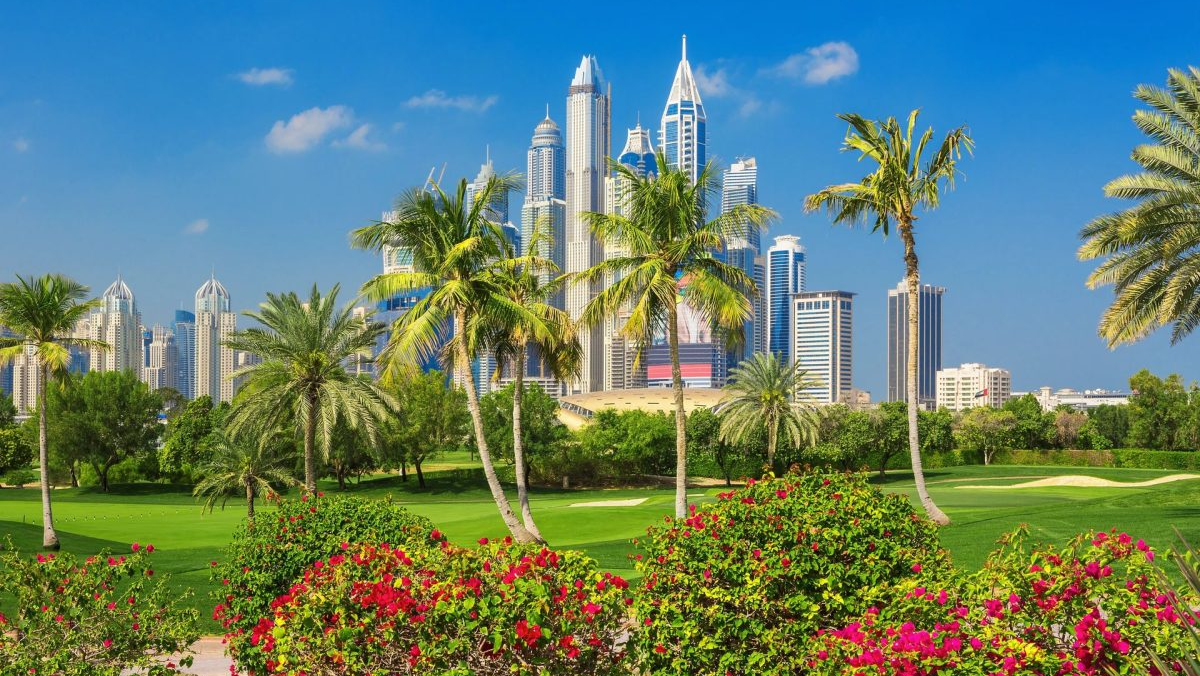

In recent years, the United Arab Emirates UAE has taken bold steps toward building a greener and more sustainable future. With rapid urbanization, a growing population, and rising energy demands, the nation has turned to green technology to meet its ambitious environmental goals. From smart cities to solar energy farms and electric mobility, the UAE is now considered one of the leading adopters of clean and green innovation in the Middle East.
This article explores the UAE’s progress in green technology, major projects under development, and how the nation is positioning itself as a global hub for sustainable innovation.
Green technology, also known as clean tech or environmental technology, refers to innovative solutions that aim to reduce negative impacts on the environment. These include renewable energy sources like solar and wind, water purification, recycling systems, green buildings, and electric transport. The goal is to create sustainable systems that benefit both the environment and the economy.

The UAE’s move toward green technology is driven by its UAE Vision 2030 and UAE Net Zero 2050 strategies. These plans aim to reduce the country’s carbon footprint, promote renewable energy, and improve overall sustainability. In fact, the UAE is the first country in the MENA region to commit to net-zero carbon emissions by 2050, setting an example for others to follow.
Some key initiatives include:
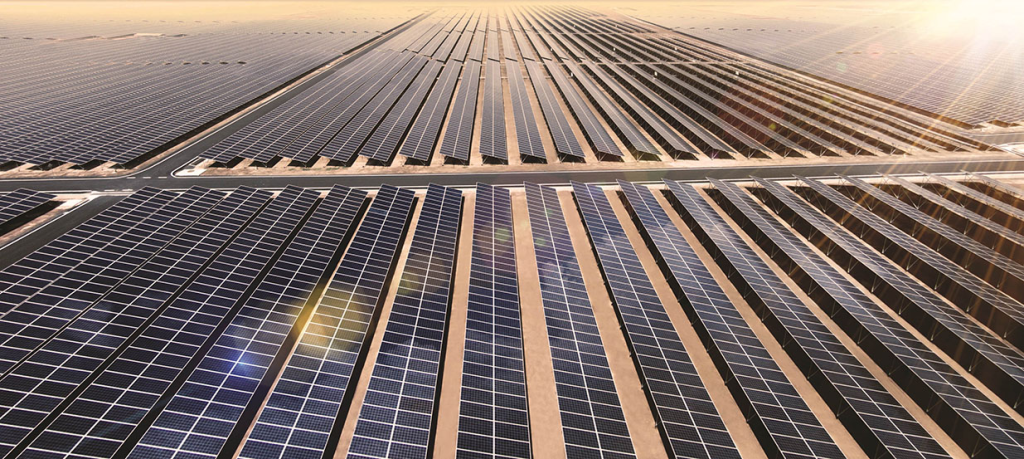
The UAE has one of the highest solar exposure rates in the world, making solar power a natural choice for energy transformation. The country is investing heavily in solar farms, such as the Al Dhafra Solar Project, which will supply electricity to over 160,000 homes when completed.
The Mohammed bin Rashid Al Maktoum Solar Park in Dubai is expected to generate over 5,000 MW of energy by 2030. This not only cuts down on fossil fuel dependence but also positions Dubai as a major player in clean energy production.
Green technology isn’t just about energy it’s also about smarter cities and efficient infrastructure. Dubai and Abu Dhabi are embracing smart city concepts that integrate green building design, intelligent waste management, electric vehicle (EV) infrastructure, and smart grids for efficient electricity use.
Masdar City, for instance, is built with low-carbon materials, features energy-efficient buildings, and supports autonomous electric transport systems. It serves as a model for future urban development globally.
In addition, the UAE has introduced mandatory Estidama and Al Sa’fat building standards. These focus on energy savings, water efficiency, and eco-friendly materials for construction.
The UAE is actively promoting electric vehicles (EVs) as part of its clean mobility initiative. Tesla, BMW, and other EV brands are rapidly expanding in the market. Meanwhile, the government is providing incentives such as free charging stations, parking, and toll exemptions for EV users.
Dubai’s Roads and Transport Authority (RTA) plans to make 90% of all limousines electric or hybrid by 2026. Moreover, trials for electric buses and autonomous shuttles are underway in both Dubai and Abu Dhabi.
The introduction of Etihad Rail, the national railway network, also plays a key role in reducing carbon emissions from freight and passenger transport.
Water scarcity is a major challenge in the UAE, and green technology is helping tackle it through:
In waste management, the UAE is turning toward smart recycling bins, waste-to-energy plants, and circular economy solutions. The Dubai Waste Management Centre, once completed, will be the world’s largest waste-to-energy facility.
The UAE government has opened the doors for foreign investors and tech startups in the green sector. Initiatives like Climate Innovations Exchange (CLIX) and Abu Dhabi Sustainability Week (ADSW) attract global attention and funding to environmental technologies.
Masdar, the UAE’s renewable energy giant, continues to invest in solar, wind, and hydrogen energy projects not just in the UAE but around the world from the UK to Indonesia.
Additionally, the Green Bond and Sukuk Program, launched by the Ministry of Finance in 2023, encourages investment in eco-friendly projects and infrastructure.

While the progress is impressive, challenges remain. The harsh desert climate can impact the efficiency of solar panels, and water production remains energy-intensive. Also, behavioral change among citizens and businesses is essential for the long-term success of these initiatives.
However, with strong government support, increased public awareness, and global cooperation, the UAE is well on its way to becoming a climate-resilient, green-tech pioneer.
The UAE’s green technology initiatives are setting new standards in sustainability. Through a combination of innovation, investment, and policy support, the country is transforming itself into a low-carbon economy while improving quality of life for its citizens.
As more countries look to transition to cleaner energy and smarter cities, the UAE stands as a shining example in the Middle East and beyond.
Read More:- Shobha Realty Launches Its Most Luxurious Project Yet—Full Details Inside 2025