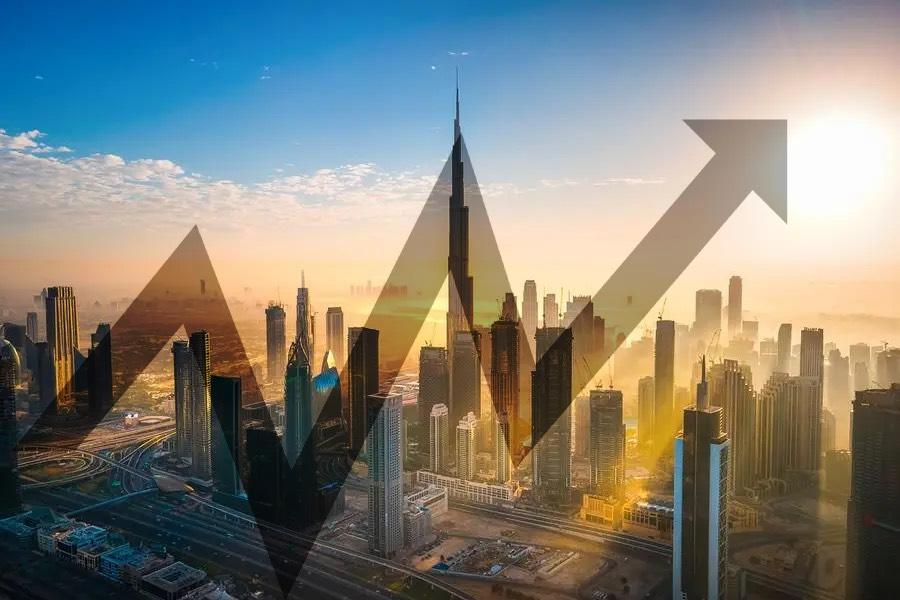
The UAE’s real estate market is on a trajectory that promises remarkable growth, setting its sights on reaching AED 486.2 billion by 2030. This impressive figure reflects the resilience and dynamism of the sector, which continues to attract both local and foreign investors. As we delve deeper, we’ll explore the driving forces behind this forecast, the implications for various stakeholders, and what it means for the future of real estate in the UAE.
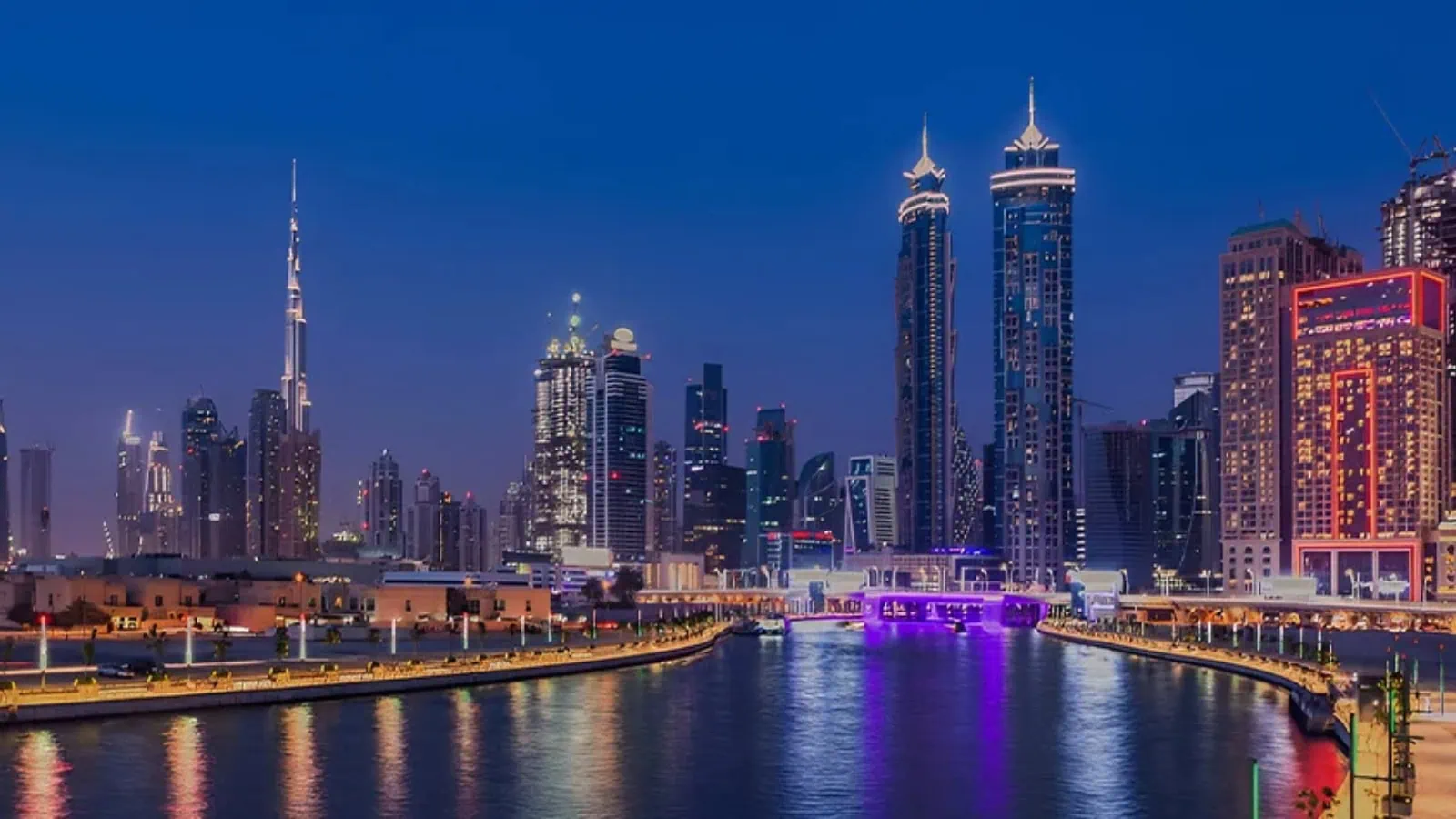
The UAE’s real estate market has evolved significantly over the past few decades. From luxurious skyscrapers in Dubai to expansive villas in Abu Dhabi, the market has something for everyone. The current landscape is characterized by a mix of residential, commercial, and industrial properties, each catering to a diverse clientele.
Economic stability, a strong tourism sector, and favorable government policies have been instrumental in shaping the market. Investors are increasingly drawn to the UAE, thanks to its strategic location, tax benefits, and modern infrastructure. As we look ahead, these factors are expected to remain pivotal in driving growth.
Several factors are contributing to the anticipated growth of the UAE’s real estate market to AED 486.2 billion by 2030.
One of the most significant drivers is the population growth in the region. With a steadily increasing expatriate community and a boost in local population, the demand for housing continues to rise. This demand fuels construction and development projects, ensuring a vibrant market environment.
Additionally, the UAE government’s long-term vision, including initiatives like the UAE Vision 2021 and the Dubai 2040 Urban Master Plan, aims to enhance the quality of life and promote sustainable development. These initiatives not only attract foreign investments but also create a conducive environment for local businesses.
Technological advancements also play a crucial role in shaping the real estate landscape. Smart homes and innovative construction techniques are becoming increasingly popular, providing enhanced living experiences. The integration of technology into real estate operations streamlines processes, improves transparency, and fosters better communication between buyers and sellers.
Foreign investment has been one of the cornerstones of the UAE’s real estate market. The country’s liberal property laws and ownership regulations have made it an attractive destination for investors from around the globe.
As the market is projected to expand significantly, foreign investors are likely to play an even more substantial role. Their confidence in the UAE’s economic stability and growth potential encourages further investment, driving the market closer to that AED 486.2 billion target by 2030.
Furthermore, the introduction of long-term visas for expatriates and investors has created a stable environment that fosters trust and encourages sustained investment in the real estate sector.
The residential real estate segment is poised for significant growth as the UAE’s population continues to rise. The demand for affordable housing is expected to surge, prompting developers to focus on projects that cater to this need.
Luxury properties also remain in high demand, particularly in Dubai, where the allure of high-end living continues to captivate affluent buyers. The growing trend of remote work has led to an increased interest in spacious homes that provide both comfort and functionality.
Sustainable living is another trend gaining traction. More buyers are seeking eco-friendly homes equipped with energy-efficient features. Developers who incorporate sustainability into their projects can tap into this growing market segment and contribute to the UAE’s overall commitment to environmental responsibility.
The commercial real estate sector is equally promising, with a steady influx of businesses establishing their presence in the UAE. The growth of the tech industry and entrepreneurship is transforming the landscape, leading to a demand for flexible office spaces and co-working environments.
As more companies adopt hybrid work models, the commercial sector must adapt to these changes. This shift presents opportunities for developers to create innovative spaces that cater to the evolving needs of businesses and their employees.
Retail real estate is also witnessing a transformation, with a focus on experiential shopping and community-centric designs. Malls and shopping centers are evolving into social hubs, offering entertainment and dining experiences that go beyond traditional shopping.
Technology is reshaping the way real estate operates in the UAE. From virtual property tours to blockchain-based transactions, tech innovations streamline processes and enhance the overall experience for buyers and sellers.
Real estate platforms are increasingly leveraging data analytics to provide insights into market trends and consumer behavior. This information is invaluable for investors and developers looking to make informed decisions.
Moreover, the rise of proptech companies is revolutionizing property management and investment, making transactions more efficient and accessible. As the market evolves, embracing technology will be crucial for stakeholders aiming to remain competitive.
While the future looks bright for the UAE’s real estate market, challenges remain. Economic fluctuations, regulatory changes, and geopolitical factors can influence market dynamics.
Developers and investors must remain agile, adapting to changes and proactively mitigating risks. Building strong relationships with local authorities and staying informed about market trends will be essential for navigating potential obstacles.
Additionally, addressing the market’s sustainability challenges is critical. As urbanization continues, finding ways to balance development with environmental preservation will be a key focus for stakeholders in the years to come.
In summary, the UAE’s real estate market is set to reach AED 486.2 billion by 2030, driven by a combination of population growth, foreign investment, technological advancements, and evolving consumer preferences.
As the market continues to adapt and innovate, stakeholders must remain vigilant and responsive to changes. By embracing opportunities and addressing challenges, the UAE’s real estate sector is poised for a bright and sustainable future.
Do Follow Estate Magazine on Instagram
Read More:- Dubai Real Estate Breakthrough as Market Surges in 2025