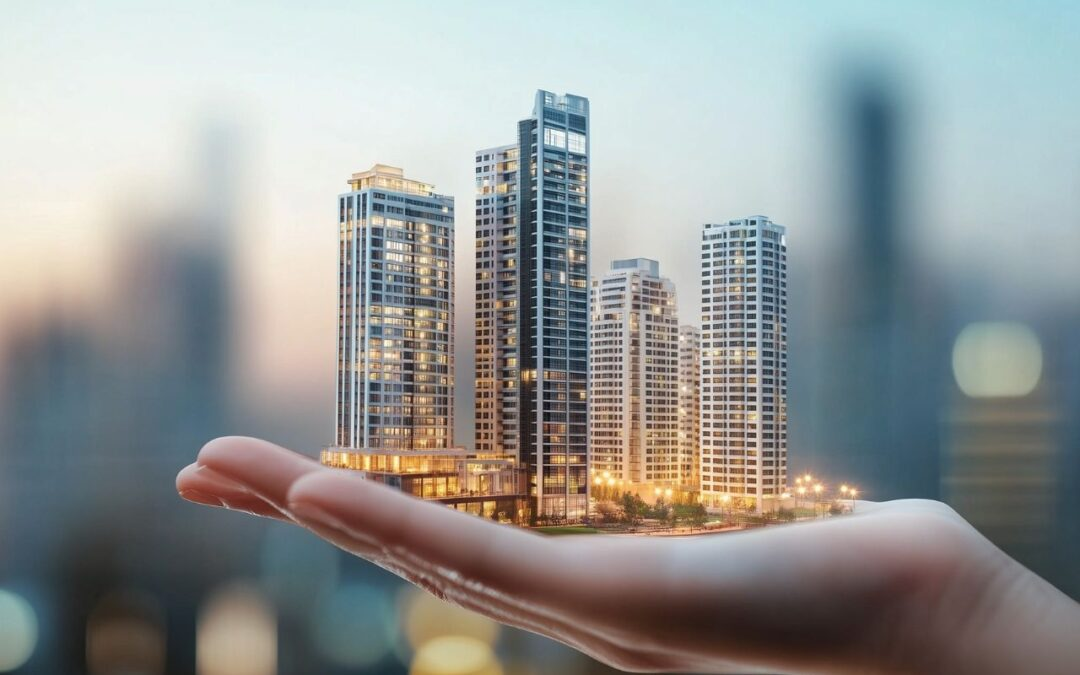
The ultra-luxury property market is set to evolve dramatically by 2026, shaping how affluent buyers approach real estate investment. With changing demographics, economic conditions, and technological advancements, the landscape of ultra-luxury properties is transforming. This article delves into the key trends that will define the ultra-luxury property market in 2026, providing insights for buyers, investors, and real estate professionals alike.
Understanding the appeal of ultra-luxury properties is essential to grasping the trends that will shape the market in 2026. Ultra-luxury homes are not just about price tags; they embody a lifestyle choice. These properties often feature exclusive locations, top-tier amenities, and architectural excellence.
Affluent buyers gravitate towards homes that offer privacy, security, and bespoke experiences. As the demand for unique living spaces increases, developers are responding with innovative designs and high-end finishes.
One significant trend to watch in the ultra-luxury property market is the growing emphasis on sustainability. By 2026, eco-friendly homes will not only be in demand but will be expected by discerning buyers.
Many high-end buyers are prioritizing properties that incorporate renewable energy sources, sustainable materials, and advanced energy-efficient technologies. Features such as solar panels, green roofs, and rainwater harvesting systems will become standard in new ultra-luxury developments.
As environmental consciousness continues to rise, builders and architects will be tasked with creating homes that meet both luxury and sustainability standards.
In 2026, technology will play a pivotal role in the ultra-luxury property market. Smart home integrations will be a primary selling point, with buyers seeking properties equipped with state-of-the-art technological features.
From security systems that utilize AI to climate control that learns user preferences, the integration of technology will enhance the living experience. Virtual reality tours will become commonplace, allowing potential buyers to explore properties from the comfort of their homes.
Moreover, home automation systems will create seamless living environments, showcasing how technology can elevate the luxury experience.
The profile of ultra-luxury buyers is shifting dramatically. By 2026, millennials and Gen Z will be significant players in the ultra-luxury market. These generations value experiences over possessions and are often drawn to unique, well-designed homes that reflect their personal brand.
This demographic shift means that builders and real estate agents will need to adapt their marketing strategies to appeal to younger buyers who prioritize lifestyle, community, and sustainability.
As these younger buyers enter the market, the traditional characteristics of ultra-luxury properties may evolve, focusing more on lifestyle amenities, communal spaces, and proximity to urban centers.
The ultra-luxury property market is not immune to global economic shifts. By 2026, economic factors such as inflation rates, interest rates, and geopolitical stability will influence buyer behavior.
Affluent buyers often keep a close eye on economic indicators before making significant investments. Fluctuations in currency values and international trade dynamics can affect the desirability of certain markets.
Real estate professionals will need to stay informed about global economic trends to guide their clients effectively. Understanding how these factors influence the luxury market will be crucial for successful investments.
As the ultra-luxury property market evolves, new hotspots will emerge. By 2026, buyers will be seeking out locations that offer not only natural beauty but also cultural vibrancy and accessibility.
Cities that combine luxury living with a rich cultural scene will attract high-net-worth individuals. Areas that are traditionally considered secondary markets may rise to prominence as remote work continues to allow flexibility in living arrangements.
Real estate agents and developers should pay attention to emerging markets and trends to capitalize on the demand for luxury properties in these desirable locations.
Wellness is becoming a focal point in the ultra-luxury property market. By 2026, buyers will increasingly seek homes that promote a healthy lifestyle.
Properties equipped with wellness amenities, such as fitness centers, yoga studios, and spa-like bathrooms, will be in high demand. Outdoor spaces that encourage physical activity, like hiking trails and gardens, will also become essential features.
Developers who prioritize wellness in their designs will find themselves at the forefront of the ultra-luxury market, appealing to buyers who value both luxury and health.
As the market for ultra-luxury properties expands, the rental segment will flourish. By 2026, high-net-worth individuals may opt for renting rather than purchasing, driven by the desire for flexibility and access to multiple properties.
Luxury rentals that offer high-end amenities and personalized services will become increasingly popular. This trend will provide opportunities for property management firms to cater to affluent clients seeking short-term stays in prime locations.
Understanding this rental market dynamics will be crucial for investors and landlords aiming to attract high-end tenants.
The ultra-luxury property market in 2026 is poised for transformation, influenced by sustainability, technology, changing demographics, and evolving buyer preferences. As the landscape shifts, it will be essential for stakeholders to adapt to these trends to thrive in this competitive environment.
Investors, developers, and real estate agents must remain agile, keeping a keen eye on emerging trends to meet the demands of the affluent buyer. The future of ultra-luxury living promises to be exciting and dynamic, reflecting the desires and values of a new generation of homeowners.
Do follow Estate Magazine on Instagram
Read More:- Saudi Approves Sandbox to Foster Innovation in Real Estate Technology