In today’s complex world, the safety of our youth is a pressing concern for families, educators, and urban planners alike. Urban design plays a crucial role in shaping environments that can enhance youth safety, particularly through the creation of parks, public lounges, and community centers. By thoughtfully designing these spaces, communities can foster safe, engaging, and supportive environments for young people, ultimately contributing to their well-being and development.
Urban design refers to the planning and design of the physical, social, and economic aspects of urban spaces. When it comes to youth safety, the design of public spaces can greatly impact how safe young people feel in their neighborhoods. A well-designed urban environment can deter crime, promote positive social interactions, and provide safe spaces for recreation and leisure.
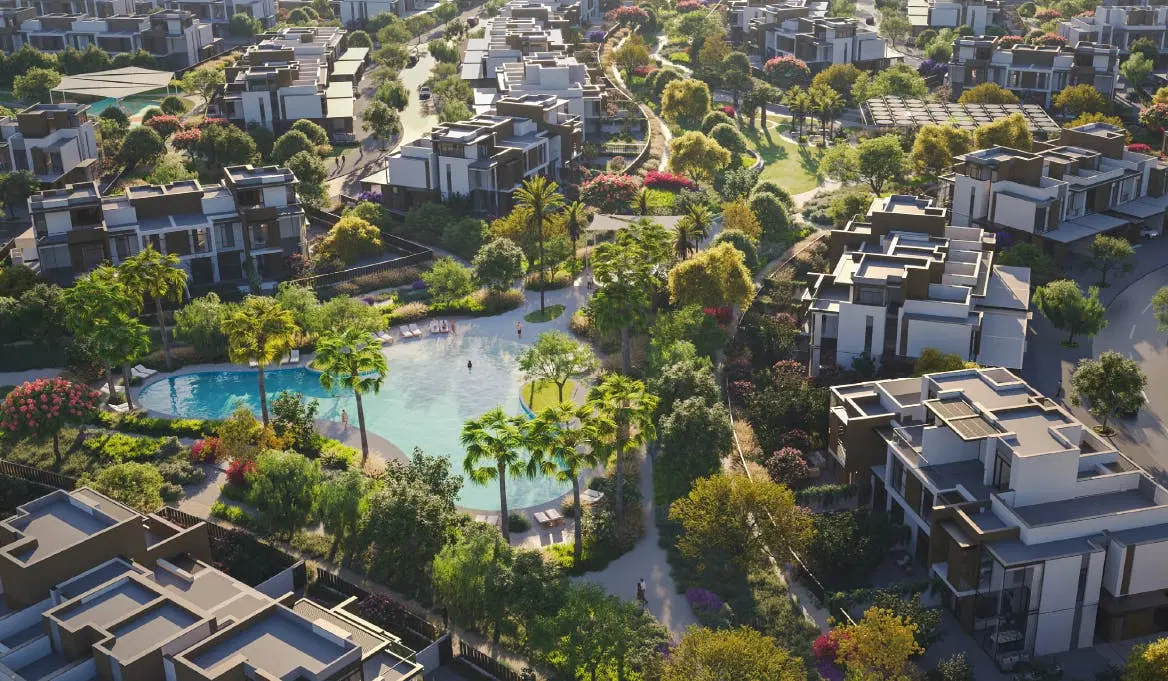
Parks are more than just green spaces; they are vital components of urban design that can significantly improve youth safety. A well-maintained park can serve as a sanctuary for children and adolescents, offering them a place to play, socialize, and participate in various activities.
Creating parks with multiple facilities—such as playgrounds, sports fields, and walking trails—can cater to a wide range of interests. This diversity encourages youth to engage in positive recreational activities rather than seeking entertainment in potentially unsafe areas.
Furthermore, parks designed with visibility in mind—where sightlines are clear, and there are ample lighting options—can deter criminal activity. When young people feel they are being watched, they are more likely to feel safe and secure, allowing them to enjoy their surroundings to the fullest.
Public lounges are another innovative urban design element that can enhance youth safety. These spaces provide comfortable environments for young people to gather, study, or simply relax. By promoting social interactions in a safe setting, public lounges can create a sense of community among youth.
Incorporating features such as free Wi-Fi, charging stations, and comfortable seating can make these lounges attractive to young people. When they have a designated space to spend time, youth are less likely to roam the streets, which can lead to risky situations.
Moreover, including staff or volunteers in these lounges to engage with youth can create a supportive environment where young people feel valued and heard. This sense of belonging can lead to reduced behavioral issues and improved mental health, further contributing to their safety.
Community centers are essential in urban design that focuses on youth safety. These centers can offer various programs, from sports and arts to educational workshops, allowing young people to develop skills and build self-esteem.
When community centers are designed with youth in mind, they become hubs of activity, drawing young people away from unsafe environments. By providing a range of structured activities, these centers can keep youth engaged and focused on positive pursuits.
Moreover, community centers can serve as venues for family involvement, encouraging parents to participate in their children’s activities. This family engagement fosters a supportive network that enhances youth safety. When parents are involved, they can help guide their children’s decisions, further reducing the likelihood of unsafe behaviors.
Effective urban design must also consider lighting and infrastructure. Well-lit streets, parks, and public spaces can dramatically improve youth safety. Adequate lighting not only enhances visibility but also instills a sense of security among young people and their families.
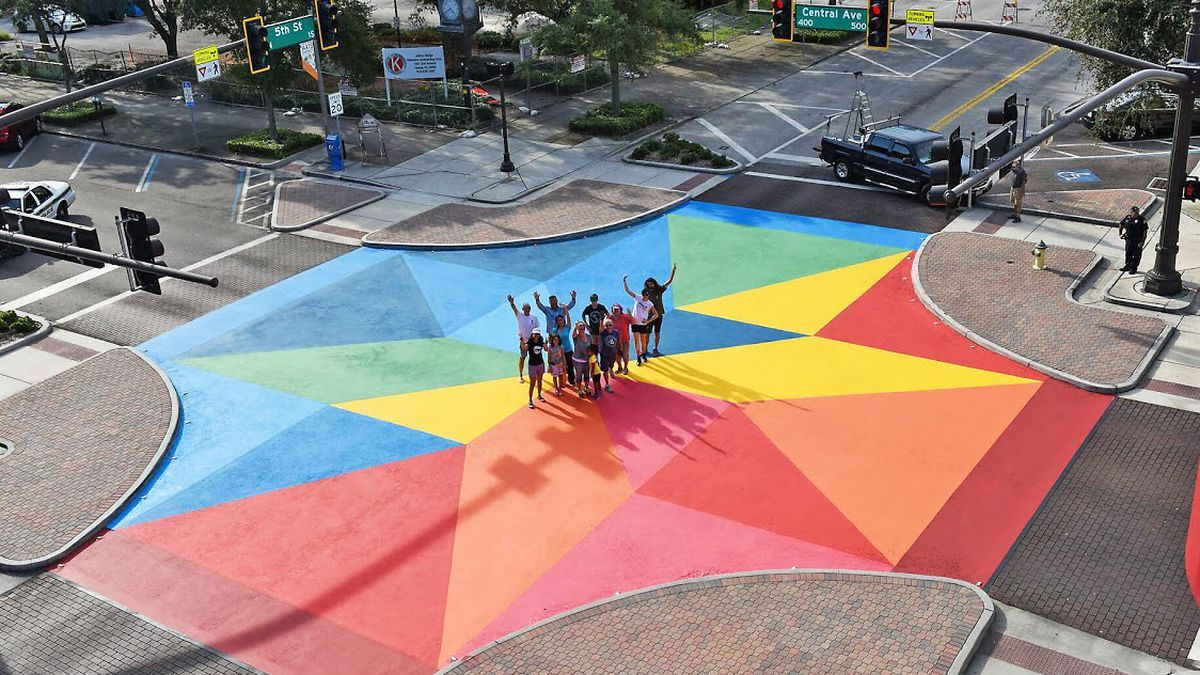
Urban planners should prioritize walkability and accessibility in their designs. Safe sidewalks, bike paths, and public transit options can encourage youth to explore their neighborhoods without fear. This connectivity allows them to engage with their community, which can lead to increased safety through social cohesion.
Inclusivity is a crucial theme in urban design, particularly regarding youth safety. Spaces should be designed to welcome all young people, regardless of their backgrounds or abilities. This can be achieved by incorporating features like wheelchair-accessible facilities, sensory-friendly environments, and spaces that accommodate various cultural practices.
When every young person feels included in their community, it fosters a sense of belonging. This inclusivity can significantly reduce feelings of alienation and frustration, which can sometimes lead to risky behaviors.
Creating safe urban environments for youth is not solely the responsibility of urban designers; it requires collaboration among various stakeholders. Local governments, community organizations, and youth themselves should work together to identify needs and design spaces that meet those needs.
Engaging youth in the planning process is particularly vital. They can provide insights into what makes them feel safe and what features they would like to see in their neighborhoods. When young people have a say in the design of their surroundings, they are more likely to take ownership of those spaces, leading to greater community pride and safety.
The benefits of improving youth safety through urban design extend beyond immediate concerns. By investing in parks, public lounges, and community centers, cities can foster healthier, happier, and more connected communities.
Research shows that youth who feel safe and supported are more likely to succeed academically and socially. By providing safe spaces for recreation and interaction, urban design can have a lasting impact on the future of our youth.
Improving youth safety through urban design is a collective responsibility that requires the input and involvement of the entire community. Parks, public lounges, and community centers are integral to creating safe environments for young people. By focusing on inclusivity, collaboration, and thoughtful design, we can build urban spaces that not only protect youth but also empower them to thrive.
As we move forward, let us continue to prioritize youth safety in urban design, ensuring that our cities are places where young people can flourish and feel secure.
Do Follow Estate Magazine on Instagram
Read More:- Real Estate Investment: 6 Safe and High-Return Neighborhoods