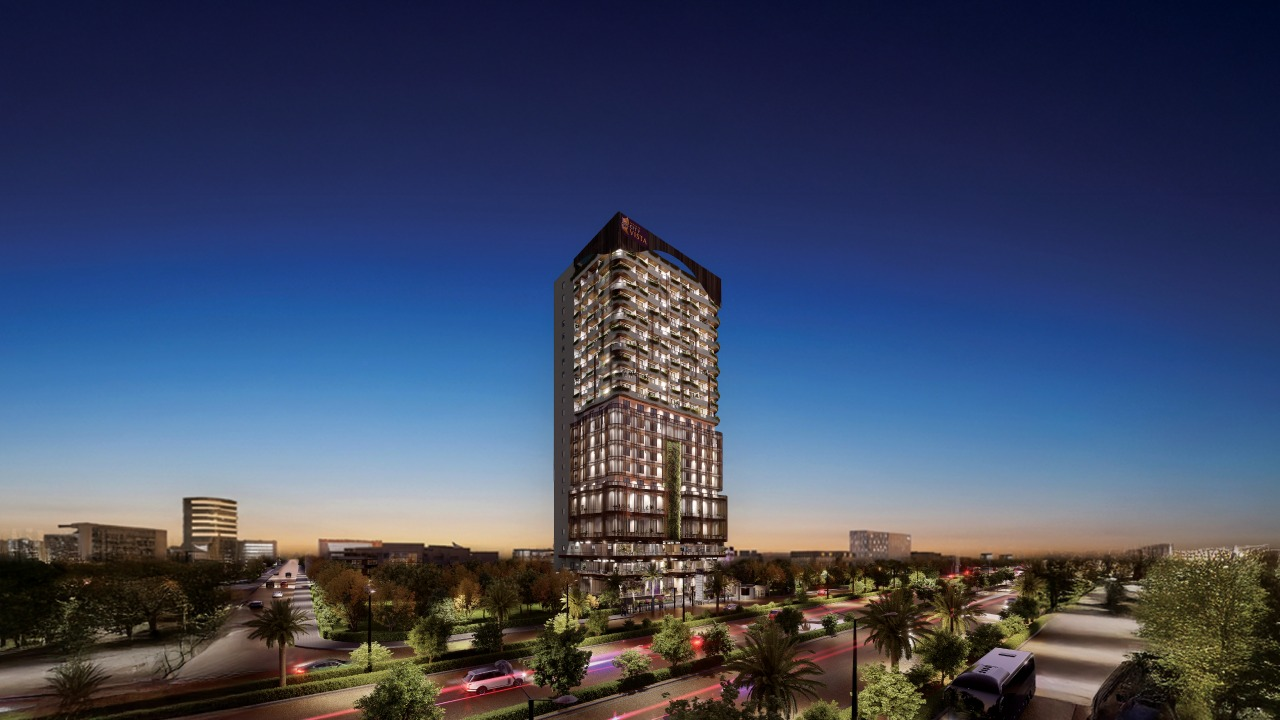
Mixed-use developments have become a buzzword in urban planning and real estate. These innovative spaces blend residential, commercial, and sometimes even recreational areas into a single, cohesive environment. As cities evolve and populations grow, understanding mixed-use developments is vital for anyone interested in the future of urban living.
In this article, we will explore the numerous benefits, design elements, and community impacts of mixed-use developments. Whether you’re a potential buyer, an investor, or simply curious about urban living trends, this guide will provide valuable insights into why mixed-use developments are reshaping the way we live, work, and play.
The appeal of mixed-use development lies in their ability to create vibrant communities where people can live, work, and socialize all in one place. This convenience is not just a trend; it addresses several key needs of modern urban populations.
One primary factor driving the popularity of mixed-use development is the increasing desire for walkable neighborhoods. Residents appreciate the ability to access shops, restaurants, and parks without relying on cars. This shift towards walkability promotes a healthier lifestyle, reduces traffic congestion, and lessens environmental impact.
Furthermore, mixed-use developments often foster a sense of community. By integrating various functions into one space, these developments encourage interactions among residents and visitors, creating a lively atmosphere. This communal spirit can lead to improved mental well-being and a stronger sense of belonging.
Creating a successful mixed-use development involves thoughtful planning and design elements that cater to the needs of the community. Here are some essential features that define effective mixed-use developments:
Diverse Space Allocation
A balanced mix of residential, commercial, and recreational spaces is crucial. Developers must ensure that each type of space complements the others, providing a seamless transition between living, working, and leisure activities. For example, having apartments above retail shops allows residents to easily access amenities while promoting foot traffic for businesses.
Accessible Public Transport
Proximity to public transportation hubs is another vital aspect of mixed-use developments. By integrating public transit options, developers can reduce reliance on personal vehicles, making the community more accessible and environmentally friendly. Well-planned transport links also enhance the appeal of the development, attracting a broader range of residents and businesses.
Sustainable Design Practices
Sustainability is becoming increasingly important in urban development. Mixed-use projects that incorporate green building practices, such as energy-efficient systems, sustainable materials, and green spaces, not only benefit the environment but also attract eco-conscious residents and businesses.
Mixed-use developments can also have a significant positive impact on the economy. By attracting a diverse range of businesses, these developments create job opportunities and stimulate local economies. The presence of residential units nearby ensures a steady customer base for retail shops and services, leading to increased sales and long-term viability for businesses.
Moreover, mixed-use developments can enhance property values in surrounding areas. As neighborhoods become more desirable due to the amenities and conveniences offered by these developments, property prices often rise, benefiting existing homeowners and investors alike.
Several inspiring mixed-use developments around the world showcase the potential of this urban design concept. One notable example is the High Line in New York City, which transformed an old railway line into a vibrant linear park surrounded by residential and commercial spaces. This project not only revitalized a neglected area but also became a model for urban renewal.
Another remarkable case is the Brickell City Centre in Miami. This mixed-use complex features luxury apartments, high-end retail shops, and office spaces, all connected by pedestrian-friendly walkways. The development has become a hub of activity, attracting residents and visitors alike.
While mixed-use developments present numerous advantages, they also come with their own set of challenges. One of the primary hurdles is zoning regulations, which can vary significantly from one area to another. Developers must navigate these regulations to ensure their projects comply with local laws while still meeting community needs.
Additionally, financing mixed-use developments can be complex due to the multifaceted nature of these projects. Investors often need to balance the financial viability of residential units with the commercial aspects, which can fluctuate based on market demand.
As urbanization continues to rise, the future of mixed-use developments looks promising. Cities are increasingly recognizing the benefits of these integrated spaces, leading to more supportive policies and investment in such projects.
Innovations in technology and design are also paving the way for smarter, more efficient mixed-use developments. From smart home technologies in residential spaces to advanced building materials that enhance sustainability, the possibilities are endless.
Moreover, as remote work becomes more prevalent, the demand for flexible spaces that cater to both residential and professional needs will likely grow. Mixed-use developments are uniquely positioned to adapt to these changes, providing the versatility and convenience that modern urbanites desire.
In conclusion, mixed-use developments represent a transformative approach to urban living. They offer a unique blend of convenience, community, and sustainability that meets the evolving needs of residents. As cities continue to grow and change, embracing mixed-use developments can lead to more vibrant, resilient, and inclusive urban environments.
Whether you’re looking to invest, buy, or simply explore your options in urban living, understanding mixed-use developments is essential. They are not just buildings; they are the future of how we interact with our cities.
Do Follow Estate Magazine on Instagram
Read More:- Tragedy in Dubai: Kerala Engineer Dies During Scuba Diving Trip