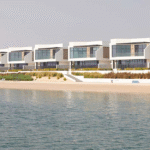

Navigating the luxury real estate market in Dubai can be an exhilarating yet daunting experience, especially when it comes to financing or leasing a villa. With its blend of modern architecture, breathtaking views, and vibrant culture, Dubai offers a unique lifestyle that attracts individuals from all over the globe. However, understanding the financial aspects can make all the difference in securing your dream villa. In this guide, we will explore how to finance or lease a villa in Dubai, ensuring you are well-equipped to make informed decisions.
Before diving into the specifics of financing or leasing a villa, it’s essential to understand the dynamics of the Dubai real estate market. The city has witnessed substantial growth over the years, characterized by a diverse range of properties. With various neighborhoods offering distinct lifestyles, buyers and renters need to evaluate their options carefully.
Dubai’s property market is regulated by the Real Estate Regulatory Agency (RERA), which ensures transparency and protects the rights of both landlords and tenants. This regulatory framework provides a level of security for those looking to finance or lease a villa, making it an attractive investment destination.

When considering how to finance or lease a villa in Dubai, the first decision to make is whether to buy or lease. Each option comes with its advantages and considerations.
If you decide to finance a villa, there are several routes you can take.
One of the most common methods is obtaining a mortgage. Dubai banks and financial institutions offer various mortgage options, catering to both residents and non-residents. Here are a few key points to consider:
Eligibility and Documentation: Lenders typically require specific documents, including proof of income, identification, and credit history. Non-residents may need to provide additional documentation.
Down Payment: In Dubai, the standard down payment ranges from 20% to 25% of the property value for expatriates. For UAE nationals, it is often lower, around 15%.
Interest Rates and Terms: Interest rates can vary significantly, so it’s wise to shop around. Most banks offer fixed or variable rates, and the mortgage term can range from 15 to 30 years.
Property Valuation: The lender will conduct a valuation of the villa to ensure it meets their lending criteria. This step is crucial, as it impacts the amount you can finance.
Leasing is an excellent option if you’re not ready to commit to purchasing a property. The leasing process in Dubai is straightforward, but there are a few key aspects to keep in mind:
Rental Market: The rental market in Dubai is competitive, with prices varying significantly based on location, size, and amenities. Researching different neighborhoods will help you find a villa that suits your lifestyle and budget.
Lease Duration: Most leases are signed for one year, and it’s common for landlords to require a security deposit, usually equal to one month’s rent.
Payment Structure: Rent can be paid in various intervals, including monthly, quarterly, or even bi-annually. Some landlords may offer discounts for upfront payments, so it’s worth negotiating.
RERA Rental Contracts: All rental contracts must be registered with RERA, ensuring that both tenant and landlord rights are protected. This registration also helps in resolving disputes if they arise.

Assessing your financial situation is crucial when deciding how to finance or lease a villa in Dubai. Factors to consider include:
Income Stability: Ensure you have a stable income that can support your mortgage payments or lease obligations.
Credit Score: A good credit score can enhance your chances of securing favorable financing terms. If you’re leasing, landlords may also check your credit profile.
Budgeting for Additional Costs: Whether financing or leasing, be prepared for additional costs such as maintenance, utilities, and property management fees.
If you choose to finance your villa, the application process typically involves several steps:
Pre-Approval: Start by getting pre-approved for a mortgage to understand how much you can borrow. This step will give you a better idea of your budget when searching for a villa.
Property Search: Work with a real estate agent familiar with the market. They can guide you through available options and help you find a villa that meets your criteria.
Making an Offer: Once you find a villa you love, you can make an offer. This process may involve negotiation, so be prepared to discuss terms and conditions.
Finalizing the Mortgage: After your offer is accepted, your lender will finalize your mortgage. This step includes property valuation and legal checks.
Completion of Sale: Upon completion, you will receive the title deed, officially making you the owner of the villa.
If leasing is your chosen path, consider these tips to make the process smoother:
Inspect the Property: Always conduct a thorough inspection of the villa before signing a lease. Look for any damages or issues that need addressing.
Understand the Lease Terms: Read the lease agreement carefully, paying attention to clauses regarding maintenance, repairs, and termination.
Communicate with the Landlord: Establish open communication with your landlord to discuss any concerns or questions you might have during your tenancy.
Consider a Real Estate Agent: Engaging an experienced real estate agent can save you time and help you navigate the leasing process effectively.
Whether you choose to finance or lease a villa in Dubai, understanding the process and preparing accordingly is crucial. With careful planning and research, you can find the perfect home that meets your needs and enhances your lifestyle. From navigating the financial aspects to understanding the local real estate market, being informed will help you make confident decisions in your property journey.
Embarking on this adventure can be rewarding, and with the right guidance, your dream villa in Dubai is within reach.
Do Follow Estate Magazine on Instagram
Read More:- Real Estate Listings on Bayut: Ultimate Guide to Finding Them Fast 2026