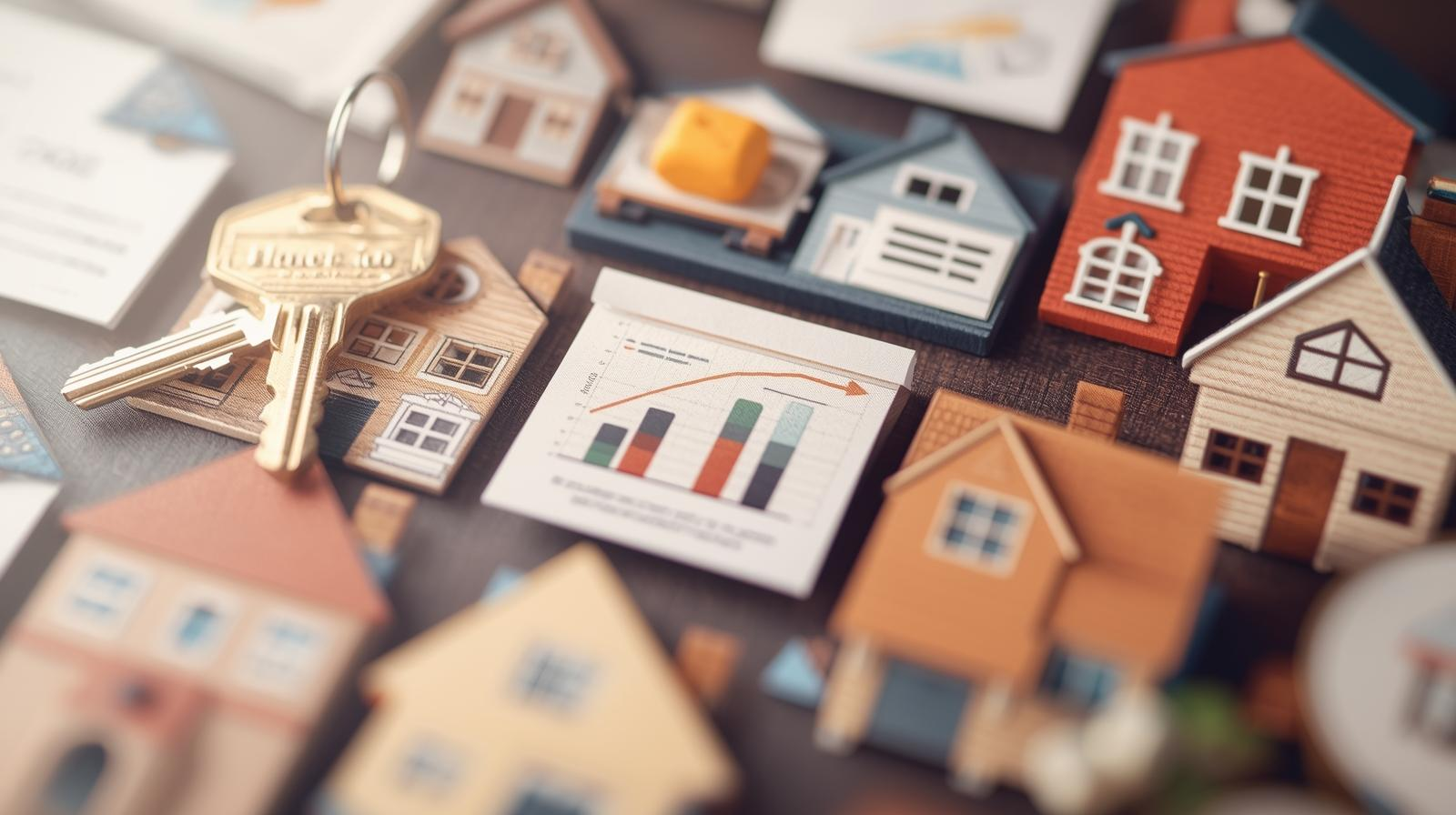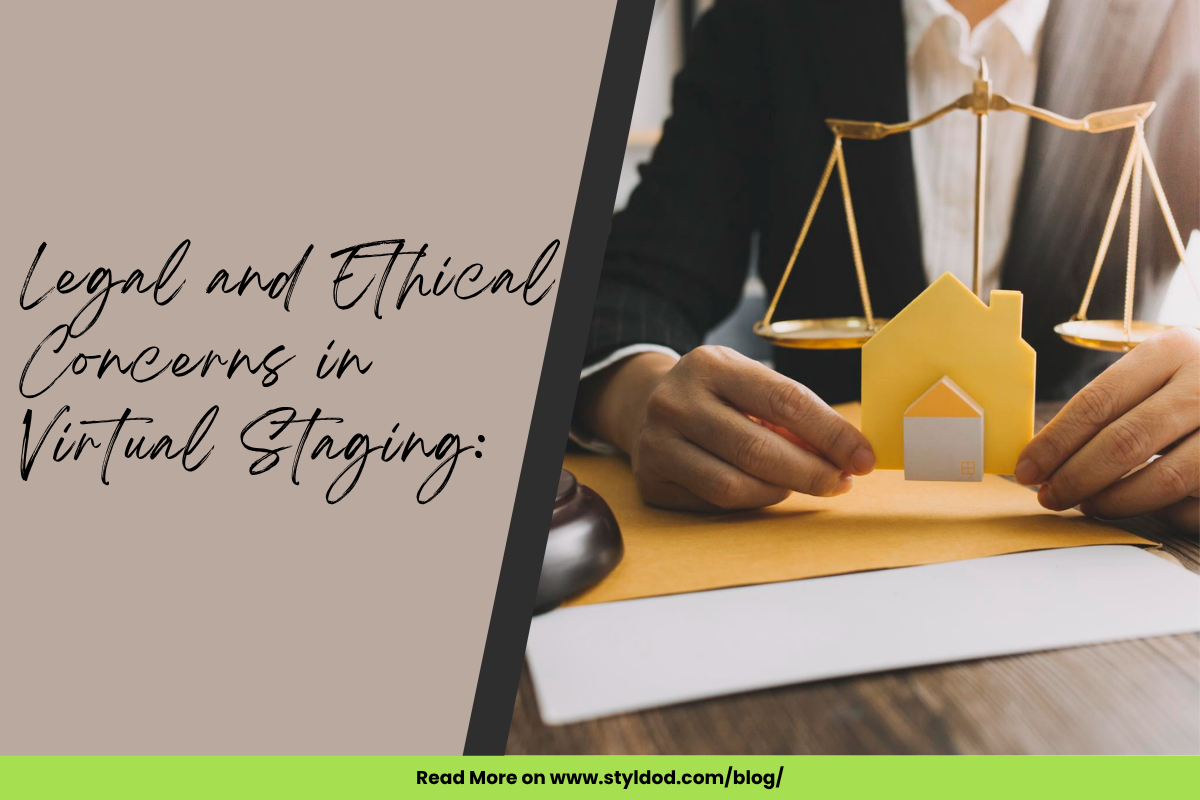
The rapid advancement of technology has revolutionized the way we experience real estate. Virtual reality tours and digital staging have emerged as powerful tools for showcasing properties, particularly for families considering relocations to global cities. However, with this innovation comes significant ethical considerations. This article explores the intricate relationship between virtual reality tours, digital staging, and the ethics surrounding these technologies, particularly as families navigate their decisions in an ever-changing world.
Virtual reality tours provide an immersive experience that allows potential buyers to explore properties from anywhere in the world. Through the use of VR headsets or even standard computers and smartphones, users can walk through homes, visualize room layouts, and experience the ambiance of a property without ever setting foot inside.
This technology offers families a unique opportunity to evaluate potential new homes in distant cities. Instead of relying solely on traditional photos or in-person visits, families can gain a more realistic understanding of a property’s space and features, ultimately aiding their decision-making process.

Digital staging complements virtual reality tours by enhancing the visual appeal of properties. This technique involves digitally adding furniture, decor, and even landscaping to photos of empty or outdated homes. It allows potential buyers to visualize the potential of a space, making it more inviting and relatable.
For families considering relocation, digital staging can make a significant difference. A well-staged home can evoke feelings of warmth and comfort, allowing families to imagine their lives within those walls. However, the ethics of digital staging become crucial as they can create unrealistic expectations for buyers.
While virtual reality tours and digital staging provide invaluable tools for real estate marketing, they also raise ethical questions regarding authenticity and transparency. Here are some key considerations:
One of the primary ethical concerns is the potential for misrepresentation. When properties are excessively enhanced through digital staging or virtual tours, buyers may be led to believe they are purchasing something that doesn’t exist in reality. This can lead to disappointment and distrust in the market.
Digital staging can evoke strong emotional responses. Families may feel a sense of connection or attachment to a beautifully staged home, which might not reflect the actual living conditions. This emotional manipulation can lead to rushed decisions that might not align with a family’s needs or financial situation.
As families engage more with virtual tours, privacy concerns emerge. The data collected during these tours can be sensitive, especially when considering the personal information that families may provide. Real estate companies must prioritize the ethical use of this data to protect users’ privacy.
To navigate the ethical landscape of virtual reality tours and digital staging, transparency and authenticity must be prioritized. Real estate professionals should:
By fostering a culture of honesty, real estate professionals can build trust with potential buyers, making the relocation process smoother and more fulfilling.
For families considering moving to global cities, virtual reality tours have transformed how they explore new neighborhoods and homes. These immersive experiences can ease the burden of relocation, offering a taste of the local culture and environment without the need for extensive travel.
Families can evaluate the suitability of neighborhoods, schools, and amenities through virtual tours. This can help alleviate some of the anxiety associated with moving to an unfamiliar place, allowing families to make decisions that feel right for them.
While digital staging enhances the appeal of properties, it can also present challenges. Families may find themselves in properties that do not meet their expectations due to overly idealized representations. This disconnect can lead to frustration and dissatisfaction, underscoring the importance of realistic portrayals.
To ensure families make informed decisions, it’s essential for real estate agents to provide context for staged images. By highlighting the differences between staged and actual spaces, families can approach their potential new homes with realistic expectations.
As technology continues to shape the real estate landscape, the ethical implications of virtual reality tours and digital staging must not be overlooked. Families looking to relocate to global cities can benefit greatly from these tools, but they must remain vigilant about the potential for misrepresentation and emotional manipulation.
By upholding transparency and authenticity, real estate professionals can create a more trustworthy environment for families navigating their relocation journey. Embracing technology with ethical awareness ensures that these innovative tools serve to enhance the buying experience rather than complicate it.
In an age where digital interactions are becoming the norm, the intersection of virtual reality tours, digital staging, and ethics will only become more critical. Families can confidently explore new horizons, knowing that ethical practices support their journey toward finding the perfect home.
Do Follow Estate Magazine on Instagram
Read More:- Real Estate Taxation & Incentives UAE: 7 Powerful Benefits Investors Love