In the rapidly evolving world of logistics and commerce, the role of warehouses has transformed from simple storage facilities to high-tech security and efficiency hubs. As businesses increasingly rely on fast-moving supply chains, the demand for warehouses that guarantee both high security and easy accessibility has reached new heights.
Warehouses today are more than just buildings filled with shelves and boxes—they are the backbone of operational success for retailers, e-commerce companies, and manufacturers. Whether it’s safeguarding valuable inventory or ensuring timely delivery, the balance between security and accessibility determines how efficiently a business runs.
Let’s explore how modern warehouses are designed to provide maximum protection while remaining easily accessible for smooth operations.
The modern business landscape is dominated by global trade, online retail, and just-in-time inventory models. These trends have made warehouses critical assets rather than mere storage sites. However, with greater dependency comes greater risk.
Every warehouse faces threats such as theft, fire, data breaches, and unauthorized access. For companies dealing in luxury goods, electronics, pharmaceuticals, or confidential data, a minor security lapse can lead to massive losses. This is why high-security warehouses have become the standard for businesses that value reliability and reputation.
The rise in e-commerce has also amplified the need for quick access to products. The faster a business can move inventory in and out, the more competitive it becomes. But increasing accessibility shouldn’t mean compromising on safety—thus comes the challenge of designing secure yet accessible warehouses.
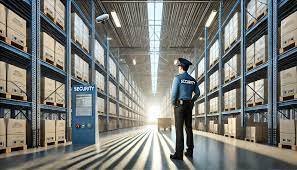
Modern high-security warehouses are equipped with cutting-edge systems and protocols that protect against every possible threat—physical or digital. Here are some essential features that define them:
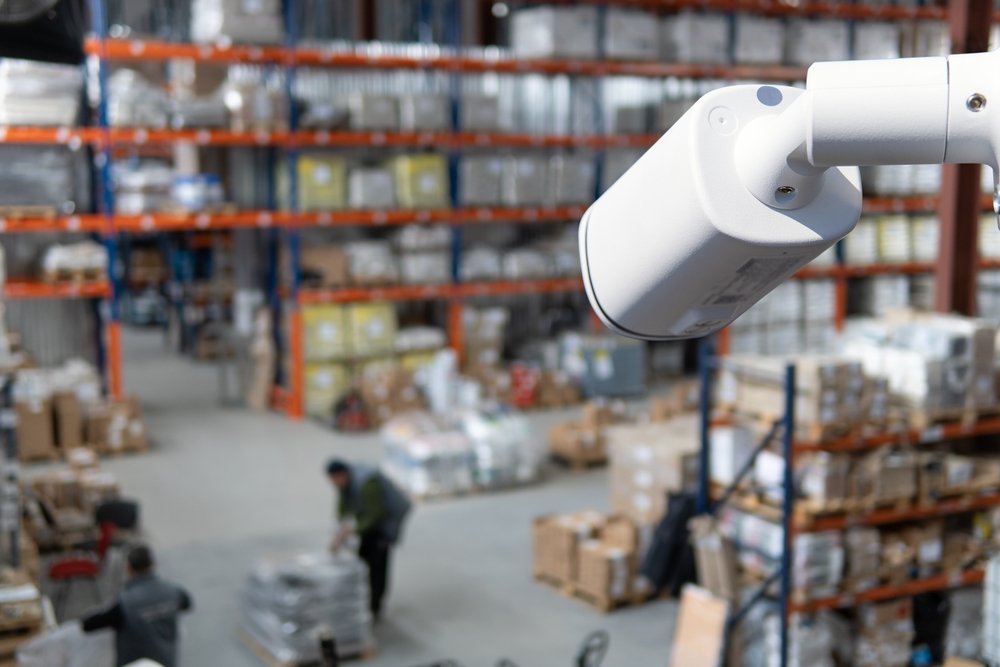
Every inch of a high-security warehouse is monitored using CCTV cameras, motion sensors, and thermal scanners. These systems are connected to centralized monitoring centers where security personnel can detect and respond to suspicious activities in real time.
Not everyone can walk into a secure warehouse. Biometric entry systems, key card access, and multi-level authentication ensure that only authorized personnel can enter sensitive zones. Some facilities even use AI-driven facial recognition systems for enhanced security.
The outer boundaries are secured using electric fences, infrared alarms, and reinforced gates. Combined with round-the-clock patrols, this prevents intrusions and keeps the entire area protected from external threats.
Security isn’t just about preventing theft. High-security warehouses also use smart fire detection, suppression systems, and environmental sensors to safeguard goods from natural or accidental damage.
With most warehouse operations relying on digital platforms, cybersecurity is crucial. Secure networks, encrypted data transfers, and intrusion detection systems prevent hackers from accessing sensitive information.
Security is essential, but accessibility is what keeps a warehouse functional and profitable. A secure facility is useless if goods can’t move in and out efficiently. Hence, accessibility plays a major role in warehouse design and location.
Modern warehouses are strategically built near major highways, airports, and seaports, ensuring easy access for logistics companies and reducing transportation time.
The internal design of accessible warehouses focuses on space optimization and quick navigation. Wide aisles, automated picking systems, and clear signage make operations smoother for staff and vehicles.
Technologies like automated guided vehicles (AGVs) and warehouse management systems (WMS) ensure goods are located, picked, and shipped efficiently without unnecessary delays.
To improve accessibility, warehouses now integrate road, air, and sea connectivity for flexible transportation. This approach helps businesses handle unexpected logistics challenges without delays.
The real challenge lies in maintaining both high levels of security and smooth accessibility simultaneously. The ideal warehouse doesn’t compromise one for the other—it finds a balance.
For instance, advanced entry systems allow only authorized trucks into the loading area, while internal sensors track goods as they move. Similarly, digital management platforms ensure that every item’s movement is logged and traceable, combining control with convenience.
To achieve this balance, companies invest heavily in smart warehouse design, incorporating automation, robotics, and AI-driven analytics to streamline operations without exposing the facility to risks.
Technology is at the heart of the transformation. Smart warehouses use a combination of artificial intelligence, Internet of Things (IoT), and big data to manage operations efficiently and securely.
AI systems can detect unusual behavior patterns through video analytics and alert security teams instantly, preventing incidents before they escalate.
IoT devices track temperature, humidity, and motion—helping protect sensitive goods like pharmaceuticals, electronics, or perishables.
Blockchain technology is being adopted to track goods throughout the supply chain, ensuring authenticity and tamper-proof records of every transaction.
AI tools predict potential system failures or security breaches, allowing managers to take preventive measures before a problem occurs.

High-security warehouses provide more than safety—they deliver trust and operational efficiency. Businesses rely on them for various reasons:
For companies managing cross-border operations, these warehouses are indispensable. They help ensure that inventory remains secure while maintaining accessibility for international distribution.
Modern warehouse design is also influenced by sustainability goals. Companies want secure, accessible, and environmentally responsible facilities.
Many warehouses are now equipped with energy-efficient lighting, solar panels, and automated temperature controls, reducing operational costs while maintaining security systems. Electric vehicle (EV) charging stations and eco-friendly materials further enhance sustainability.
Incorporating green technologies not only makes the warehouse future-ready but also improves its accessibility for eco-conscious logistics providers.
Across the globe, logistics giants are investing in smart logistics hubs—ultra-secure warehouses equipped with advanced tech infrastructure. These hubs are redefining what accessibility and security mean in real terms.
For example, some state-of-the-art warehouses feature AI-based surveillance drones, automated storage and retrieval systems (ASRS), and real-time inventory tracking through cloud-based systems. This combination ensures that security and accessibility go hand in hand without human error or delay.
These smart hubs demonstrate how data, automation, and connectivity can work together to build a secure yet agile logistics ecosystem.
The future of warehousing lies in integration and intelligence. As technologies evolve, warehouses will become more automated, secure, and connected. Predictive analytics will anticipate potential risks, while AI-driven systems will optimize layouts and delivery schedules for maximum efficiency.
In the coming years, we can expect:
Businesses investing in such infrastructure today will gain a long-term advantage—enhanced operational security, faster delivery, and reduced risk exposure.
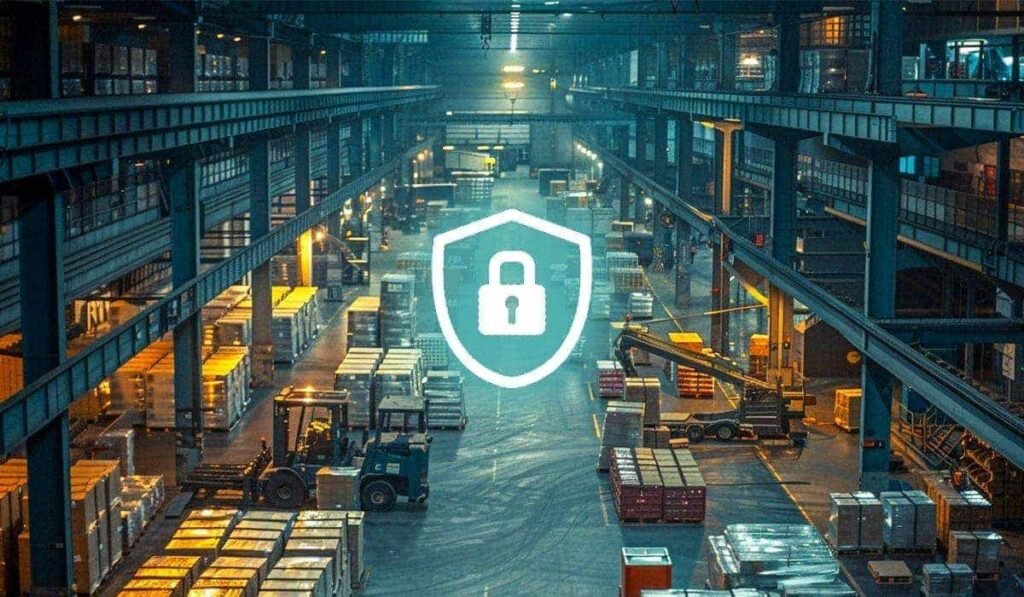
For companies seeking warehouse solutions, the choice must align with their specific needs. Here’s what to look for:
In today’s competitive logistics and retail landscape, warehouses with high security and accessibility are no longer optional—they’re essential. Businesses depend on them not just to store goods but to ensure the uninterrupted flow of products, protect valuable assets, and maintain customer trust.
The future belongs to smart, sustainable, and secure warehouse networks that can adapt to the changing needs of global commerce. Whether it’s AI-powered monitoring or eco-efficient accessibility, the next generation of warehouses will redefine how safety and speed coexist.
For businesses that aim to thrive in the era of digital logistics, investing in high-security, accessible warehousing isn’t just a strategy—it’s a necessity.
Do Follow Estate Magazine on Instagram