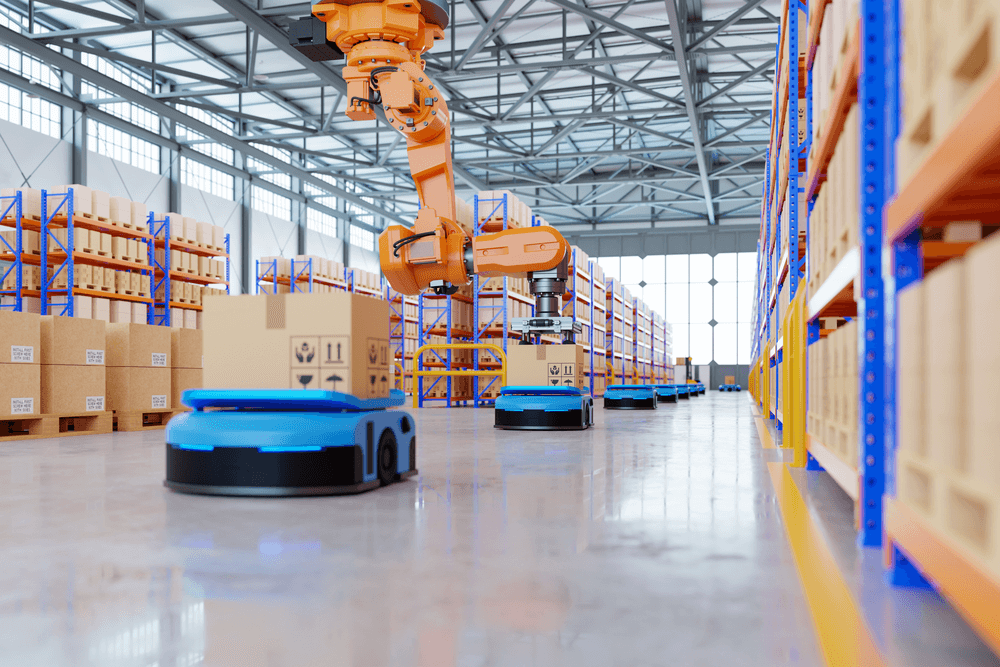
In an era where efficiency and safety define operational success, warehouses have evolved far beyond their traditional role of storage spaces. Today, warehouses are becoming intelligent, automated ecosystems powered by cutting-edge technologies, and at the heart of this transformation are smart security systems. These innovative systems not only protect assets but also enhance productivity, reduce human error, and ensure a seamless flow of operations.
This article explores how smart security systems are revolutionizing warehouse management, what technologies drive this change, and why investing in intelligent security is no longer a luxury but a necessity for modern businesses.
Warehousing has undergone a digital revolution in the past decade. With the surge of e-commerce, global trade, and the need for faster logistics, warehouses have become the backbone of the supply chain industry. However, with growing scale comes the challenge of safeguarding goods, data, and infrastructure.
Smart warehouses integrate advanced technologies such as IoT, artificial intelligence, robotics, and real-time data analytics. These innovations are not just streamlining inventory management but are also redefining how security is managed.
Unlike traditional setups that rely heavily on human supervision, smart systems use predictive analytics and automated responses to detect and prevent risks before they escalate.
A smart security system is a fully integrated digital network that detects risks, analyzes data, and responds intelligently. It combines various technologies that work together to create a proactive security environment.
Some essential components include:
These components work together to ensure the warehouse remains secure, efficient, and resilient.
Real-time monitoring has become one of the biggest advantages of smart warehouse security systems. Traditional systems usually detect incidents after they happen, but modern setups can identify threats instantly.
If unauthorized access is detected or a temperature fluctuation occurs in a sensitive storage zone, automated alerts notify managers immediately. This allows quick action, reducing damage, losses, and operational downtime.
Real-time analytics also help businesses understand patterns, anticipate risks, and streamline workflows.

Warehouses today store more than physical goods. They hold digital information, operational data, and automated system insights that must be protected.
Smart security integrates both physical and cybersecurity features:
This multi-layered approach prevents digital breaches and ensures security across all warehouse systems.
Smart security systems offer advantages that extend beyond protection. They improve the overall business ecosystem.
Advanced technologies continue to elevate warehouse safety standards. These include:
Such innovations help warehouses operate more securely and efficiently.
Different industries adopt smart security technologies uniquely depending on their needs.
Regardless of industry, the goal remains consistent: safeguarding products while ensuring smooth operations.
While smart warehouse security offers unmatched benefits, certain challenges must be addressed during implementation.
With proper planning and expert guidance, businesses can overcome these challenges and optimize system performance.
Smart security systems also support sustainability goals. Energy-efficient surveillance equipment, automated lighting, and advanced monitoring systems help reduce wastage and lower environmental impact.
Smart warehouses also minimize the need for manual patrols and paper-based reporting, contributing to greener operations.

The future of warehouse security lies in full automation, AI-driven prediction, and seamless connectivity. Drones and robots may become standard patrolling units. Edge computing will enable faster decision-making, and cybersecurity will be tightly integrated into every device.
Sustainability, scalability, and automation will define the next generation of secure warehouses. Companies that adopt early will enjoy heightened trust, smoother operations, and stronger safeguards.
Smart security systems have become essential in today’s warehousing landscape. They protect assets, enhance operational efficiency, reduce risks, and ensure safety for both employees and stored products.
As industries continue their digital transformation, warehouses equipped with smart security technologies will lead the way in innovation, reliability, and long-term sustainability.
For businesses looking to stay competitive and secure, investing in smart security systems is no longer optional — it is the future of warehouse management.
Do Follow Estate Magazine on Instagram
Co-Working Spaces With Tech-Enabled Facilities Are Redefining Modern Work