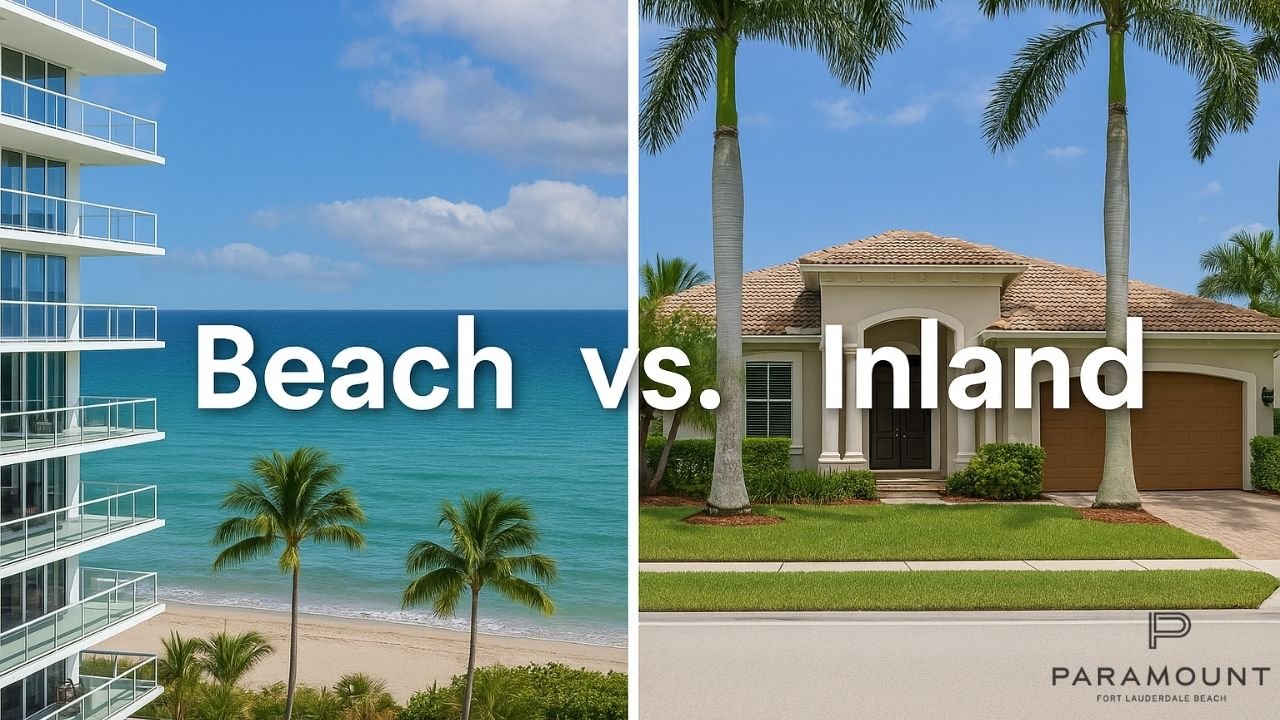
The debate between waterfront and inland developments is as old as urban planning itself. Each type of development has its distinct advantages and disadvantages, influencing lifestyle choices, investment potential, and overall real estate value. Understanding the pros and cons of waterfront vs inland developments can help you make informed decisions whether you’re a homebuyer, developer, or investor.
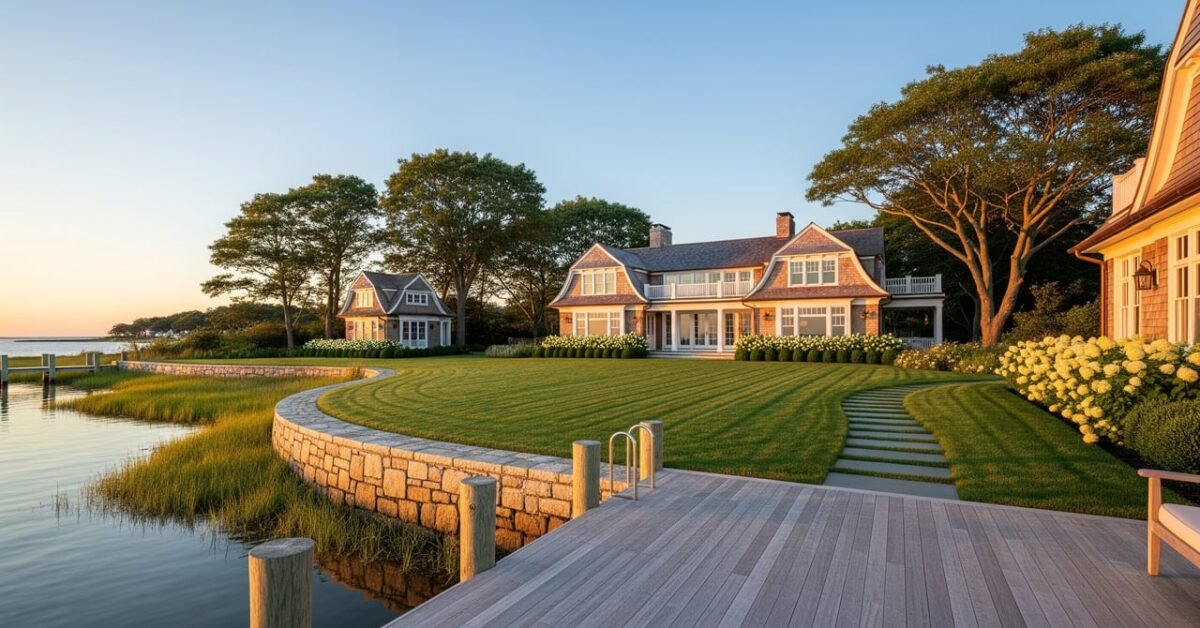
Waterfront properties have a unique charm that attracts many. The proximity to water bodies—be it lakes, rivers, or oceans—offers breathtaking views and a serene environment. These developments often come with a range of recreational activities that enhance the lifestyle of residents.
One of the significant advantages of waterfront developments is the aesthetic appeal. Living by the water provides a sense of tranquility and beauty that is hard to replicate inland. The potential for outdoor activities, such as boating, fishing, and swimming, adds to the lifestyle benefits.
However, the allure of waterfront living comes with its drawbacks. Properties in these areas are often more expensive due to high demand and limited supply. Furthermore, waterfront developments can be susceptible to natural disasters like flooding and hurricanes, which can lead to increased insurance costs and potential property damage.

Inland developments offer a contrasting experience compared to their waterfront counterparts. These properties are typically more affordable and can be located in areas with excellent infrastructure and amenities.
One significant advantage of inland developments is accessibility. They are often closer to urban centers, providing residents with better access to schools, shopping, and employment opportunities. This can be particularly appealing for families and professionals who prioritize convenience and connectivity.
Inland properties also tend to have lower maintenance costs compared to waterfront homes. Without the constant threat of water-related damage, homeowners can often find peace of mind when it comes to upkeep.
Despite these advantages, inland developments do have their downsides. Many people find that they lack the picturesque views and recreational opportunities that waterfront living provides. Additionally, the ambiance can be less serene, especially in densely populated urban areas where noise and traffic can be significant issues.
Waterfront developments offer several compelling advantages that can make them highly desirable:
Despite these benefits, it’s essential to remain cautious about the potential challenges.
While waterfront properties have many pros, they are not without their cons:
Inland developments present a range of advantages that can appeal to various buyers:
However, it’s crucial to consider the potential drawbacks of these developments.
While inland properties have their perks, they also come with certain cons:

When deciding between waterfront vs inland developments, it’s essential to consider your lifestyle and priorities. If you value serene views and enjoy water-based activities, waterfront living may be the best choice. However, if affordability and access to urban amenities are more critical, then inland developments might suit you better.
Ultimately, both types of developments have their unique offerings. Evaluating your personal preferences, budget, and long-term goals can help you make the best decision for your situation.
Waterfront vs inland developments present distinct advantages and disadvantages that can significantly impact your living experience and investment potential. By carefully considering the pros and cons of each, you can make a more informed choice that aligns with your lifestyle and financial goals. Whether you choose the tranquility of waterfront living or the convenience of inland developments, understanding the nuances of each option is key to achieving satisfaction in your real estate journey.
Do Follow Estate Magazine on Instagram
Read More:- Dubai Real Estate Forecast 2026–2027: Powerful Insights Investors Can’t Ignore