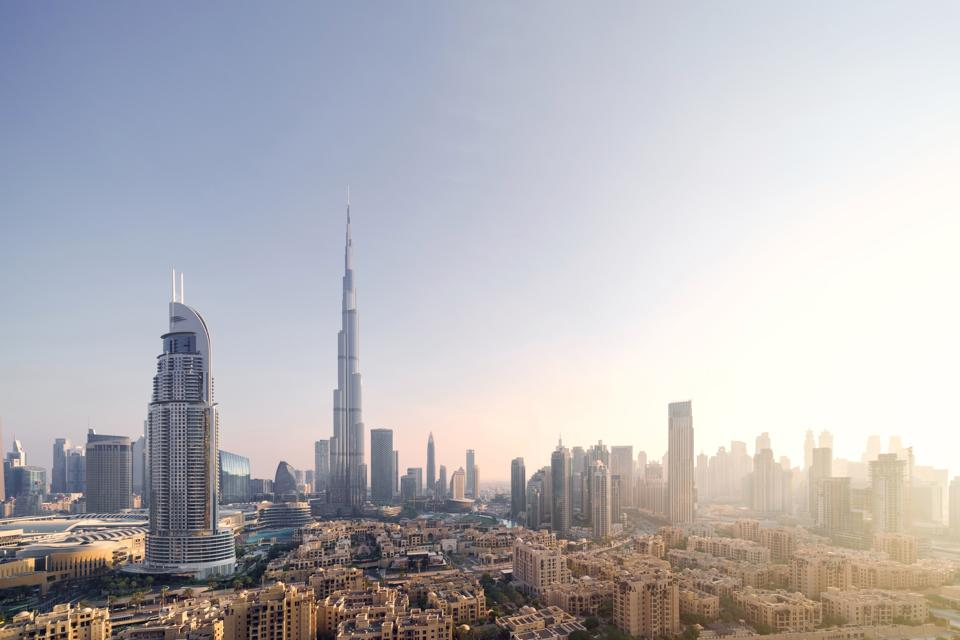
In recent years, the vibrant cities of Abu Dhabi and Dubai have emerged as global hubs for wealth management opportunities. With a dynamic economy, an influx of expatriates, and an ever-evolving financial landscape, both cities offer unique avenues for individuals and businesses to manage and grow their wealth effectively. This article explores the diverse wealth management opportunities available in Abu Dhabi and Dubai, shedding light on how you can make the most of your financial resources in these thriving environments.
The financial ecosystems of Abu Dhabi and Dubai are as diverse as their cultures. Abu Dhabi, the capital of the UAE, is home to a wealth of investment opportunities driven by government initiatives and a strong economy. Dubai, on the other hand, is known for its robust private sector, attracting entrepreneurs and investors from around the globe. Both cities have positioned themselves as attractive destinations for wealth management, thanks to their strategic location, tax advantages, and world-class financial services.
Wealth management in Abu Dhabi and Dubai encompasses a range of services designed to assist individuals and businesses in achieving their financial goals. These services typically include:
Investment Advisory: Personalized investment strategies that align with clients’ risk tolerance and financial objectives.
Financial Planning: Comprehensive financial plans that detail short-term and long-term goals, ensuring clients are on the right path to achieving their aspirations.
Tax Optimization: Strategies to minimize tax liabilities while maximizing returns, taking advantage of the UAE’s favorable tax environment.
Estate Planning: Services that help individuals prepare for the transfer of their wealth to heirs, ensuring their assets are preserved and passed on according to their wishes.
Understanding the regulatory frameworks governing wealth management in Abu Dhabi and Dubai is essential for making informed decisions. The UAE has established a robust legal and regulatory environment that encourages foreign investment while ensuring the protection of investors.
The Abu Dhabi Global Market (ADGM) and the Dubai International Financial Centre (DIFC) are two free zones that provide a business-friendly environment. These zones offer various incentives, including zero corporate tax, no personal income tax, and a transparent regulatory framework, making them ideal locations for establishing wealth management firms.
The rise of fintech has revolutionized wealth management opportunities in Abu Dhabi and Dubai. Innovative technology solutions are transforming how financial services are delivered, making them more accessible and efficient.
Robo-advisors are gaining popularity, offering automated investment advice based on algorithms. These platforms cater to a broader audience, allowing individuals to manage their wealth with lower fees compared to traditional wealth management services. Furthermore, blockchain technology is enhancing security and transparency in financial transactions, providing peace of mind to investors.
Abu Dhabi and Dubai are home to a diverse expatriate community, and wealth management services are increasingly tailored to meet the unique needs of expats. Many expatriates seek investment opportunities that align with their long-term goals, whether that involves real estate, stocks, or other financial instruments.
Wealth management firms in these cities often provide specialized services that consider the complexities of international taxation, retirement planning, and inheritance laws. This tailored approach helps expats navigate the intricacies of managing their wealth in a foreign country.
Real estate remains one of the most attractive wealth management opportunities in Abu Dhabi and Dubai. Both cities boast a booming real estate market, characterized by high demand for residential and commercial properties.
Investing in real estate can offer significant returns, especially with the ongoing development projects and infrastructure improvements in the region. Wealth management firms often assist clients in identifying profitable real estate investments, ensuring they capitalize on the growing market trends.

Sustainable investing has gained traction in recent years as investors become more conscious of the impact their investments have on society and the environment. In Abu Dhabi and Dubai, wealth management firms are increasingly offering sustainable investment options that align with clients’ values.
These investments focus on companies and projects that prioritize environmental, social, and governance (ESG) criteria. By incorporating sustainable investing into their wealth management strategies, clients can contribute to positive change while also seeking financial returns.
The future of wealth management in Abu Dhabi and Dubai looks promising. With continued economic growth, technological advancements, and a commitment to attracting global talent, both cities are poised to remain significant players in the global wealth management landscape.
The ongoing development of the financial sector, coupled with the UAE’s strategic vision for economic diversification, will likely lead to new investment opportunities. As wealth management firms adapt to evolving client needs and preferences, individuals and businesses can expect innovative solutions tailored to their unique financial circumstances.
Abu Dhabi and Dubai present a wealth of opportunities for effective wealth management. With their robust financial landscapes, tailored services for expatriates, and innovative investment strategies, these cities are ideal for individuals looking to grow and protect their wealth.
As you explore the wealth management opportunities in Abu Dhabi and Dubai, consider leveraging the expertise of financial professionals who can guide you through the intricacies of the local market. By taking advantage of the diverse services available, you can achieve your financial goals and secure a prosperous future.
Do Follow Estate Magazine on Instagram
Read More:- Infrastructure Investment Hotspots Driving Massive Growth Across the Middle East Now 2026