As the search for ideal living spaces continues, many people find themselves torn between wellness communities and traditional gated communities. Each option offers unique benefits and lifestyles, making it essential to explore the distinctions and advantages of both. This article delves into the characteristics, lifestyle offerings, and long-term value of wellness communities versus traditional gated communities, helping you make an informed decision.
Wellness communities are designed to enhance residents’ physical, mental, and emotional well-being. These communities often combine residential living with various amenities and programs focused on health and wellness.
In wellness communities, the environment usually promotes outdoor activities, healthy eating, and social interaction. You might find features such as community gardens, fitness centers, yoga studios, and organic cafes. The emphasis is not solely on aesthetic appeal but also on building a lifestyle centered around holistic health.
Residents often participate in organized activities like fitness classes, nutrition workshops, and wellness retreats, fostering a sense of community and shared goals. This focus on well-being can create a supportive atmosphere where neighbors motivate each other to lead healthier lives.
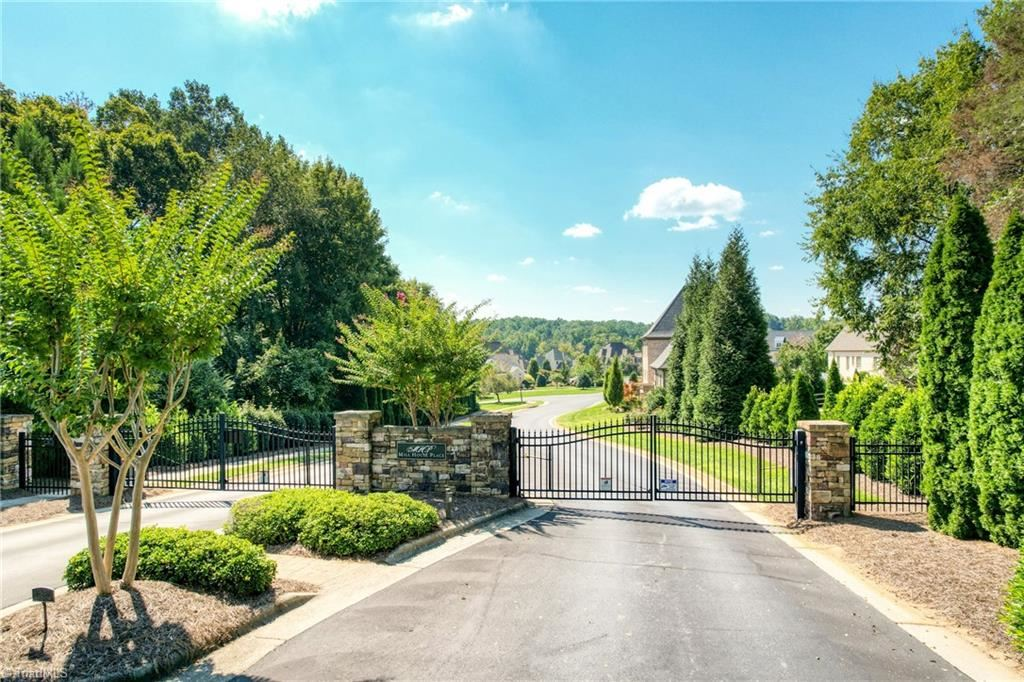
Traditional gated communities often emphasize security, privacy, and exclusivity. These communities typically feature controlled access points, providing residents with peace of mind regarding safety. Many gated communities cater to specific demographics, such as retirees or families, offering tailored amenities.
In addition to security, traditional gated communities often include recreational facilities like pools, tennis courts, and clubhouses. While they may not prioritize wellness in the same way as wellness communities, they still provide a comfortable, secure environment where residents can relax and socialize.
The sense of community in gated neighborhoods can be strong, with organized events and activities that foster connections among residents. However, the focus may lean more toward leisure and entertainment rather than health and wellness.
When considering wellness communities versus traditional gated communities, several key differences emerge:
Wellness communities prioritize health-centric living, integrating fitness and nutrition into daily life. In contrast, traditional gated communities may offer recreational amenities but do not emphasize wellness as a core aspect of the lifestyle.
Engagement in wellness communities often revolves around shared health goals and activities that promote active living. Traditional gated communities may encourage social interaction but often center around leisure activities rather than a collective focus on health.
The design of wellness communities often includes natural landscapes, walking trails, and communal gardens. Traditional gated communities prioritize security and privacy, often featuring more conventional designs and amenities centered around relaxation and leisure.
Choosing between wellness communities and traditional gated communities involves thoughtful consideration of your lifestyle needs and preferences.
If leading a healthy lifestyle is a top priority, wellness communities may be the better choice. Access to fitness classes, health workshops, and outdoor activities can significantly enhance your quality of life. The community support in these settings can motivate you to stay active and engaged.
For those who prioritize security and privacy, traditional gated communities offer peace of mind. With controlled access and a focus on exclusivity, these communities provide a safe haven where you can unwind without worry.
Consider the type of social interaction you desire. Wellness communities often foster a collaborative spirit focused on health and wellness, while traditional gated communities may offer a more relaxed social environment centered around leisure activities.

Investing in a home is not just about the present; it’s also about future value. Wellness communities often attract health-conscious individuals, making them appealing for resale. The demand for such communities is increasing as more people recognize the importance of maintaining a healthy lifestyle.
On the other hand, traditional gated communities often hold strong resale value due to their established reputation for security and exclusivity. Families and retirees alike may find these communities appealing for their tranquil environments.
Ultimately, the decision between wellness communities and traditional gated communities hinges on your individual preferences and lifestyle goals. Reflect on what matters most to you—whether it’s a commitment to health and wellness, the importance of security, or the desire for community engagement.
Visiting both types of communities can provide valuable insights, allowing you to envision your future in either setting. Take the time to explore amenities, meet residents, and consider how each environment aligns with your aspirations.
In the ongoing debate of wellness communities vs traditional gated communities, the right choice will depend on your personal values and lifestyle preferences. Wellness communities offer a holistic approach to living, while traditional gated communities provide privacy and security. Understanding these differences can empower you to make an informed decision that suits your needs.
Your ideal community awaits, whether you’re drawn to the vibrant lifestyle of a wellness community or the secure haven of a traditional gated community.
Do Follow Estate Magazine on Instagram
Read More:- Real Estate Insights: Compare Gold, Stocks & Crypto Performance 2026