The conversation around real estate often swings between optimism and fear, especially when global markets fluctuate. Yet, in the UAE, a very different pattern has taken shape—one defined by stability, long-term planning, and strong economic fundamentals. While some markets experience sudden dips, the UAE continues to build a real estate environment that supports healthy demand, confident investors, and a steady upward trajectory.
Understanding why property prices in the UAE are unlikely to crash requires a closer look at the engines driving the market: population growth, government reforms, foreign investment, infrastructure development, and a strong lifestyle appeal. Each of these elements works together to create a resilient ecosystem where a sudden decline is highly unlikely.
One of the biggest misconceptions about the UAE is its dependence on oil. In reality, the contribution of oil to the country’s GDP has steadily decreased over the past decade. Sectors like tourism, aviation, technology, logistics, and finance have taken center stage, giving the economy multiple pillars to lean on.
Because the economy is not tied to the volatile oil market, real estate remains protected from dramatic price swings. Investors and end-users feel confident about long-term growth, which keeps demand steady and supports pricing stability.
Stable economic policies are a major factor behind the UAE’s real estate resilience. Long-term strategic visions such as “We the UAE 2031” and emirate-level economic diversification plans signal continuity and predictability—key ingredients for a stable property market. Investors know where the country is heading, and that trust translates into sustained real estate activity.
The UAE welcomes thousands of new residents every month—a trend that isn’t slowing down. Highly skilled professionals, entrepreneurs, remote workers, and long-term expats continue to choose the UAE as their home. Rising population naturally means rising demand for housing, especially in Dubai, Abu Dhabi, and Sharjah.
Even if new projects are launched frequently, demand continues to absorb supply because the influx of residents stays strong. This imbalance supports price resilience across both the rental and sales markets.
The UAE has become a global hub for talent through initiatives like the Golden Visa, freelance visas, and long-term residency programs. These programs encourage people to put down roots and invest in homes rather than remaining transient. When more people transition from renting to owning, it creates sustained demand—not speculative spikes.
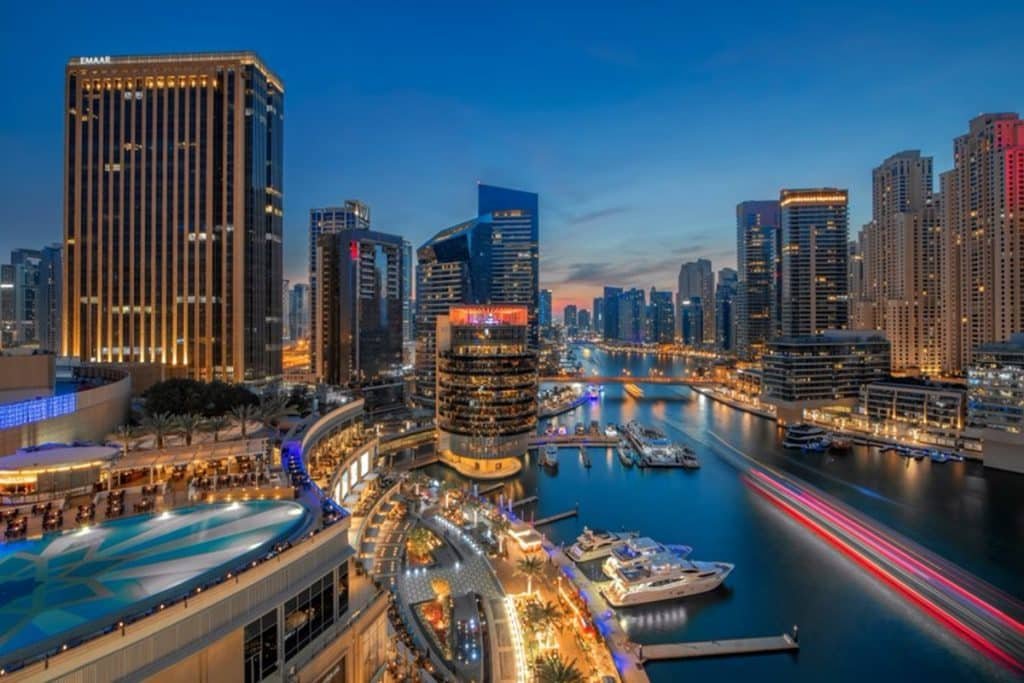
While Dubai and Abu Dhabi continue to expand, prime communities are limited. Waterfront areas, central business districts, and established residential districts simply cannot be replicated. These zones—like Downtown Dubai, Dubai Marina, Palm Jumeirah, Yas Island, and Saadiyat Island—have capped supply, which naturally supports long-term value.
Even as new developments emerge in outer areas, prime districts maintain their exclusivity and price strength.
The days of mass-building large clusters of identical apartments are fading. Today’s developers focus on lifestyle, amenities, sustainability, and architectural excellence. Buyers are willing to pay more for higher quality, and these premium properties hold their value better over time. Reduced speculative building helps maintain market balance and avoids oversupply shocks.
The UAE has positioned itself as a stable, secure, and investor-friendly destination. Global buyers view UAE real estate as a safe haven, especially during global uncertainty. Many investors diversify into Dubai and Abu Dhabi because they offer strong rental yields, stable regulations, and a predictable economy.
International demand ensures consistent liquidity, even when other markets experience slowdowns.
Over the years, the UAE has introduced regulatory frameworks such as escrow accounts, RERA oversight, developer accountability, and off-plan protection policies. These initiatives build trust and prevent the speculative bubbles that often cause price crashes in other markets. Today, serious investors dominate the market—rather than flippers—making rapid price drops far less likely.
The UAE continues to invest heavily in infrastructure such as airports, metro lines, smart city technologies, clean energy, and logistics networks. These projects make the country more livable, more connected, and more attractive to global talent and businesses.
Every new project increases the appeal of surrounding real estate, reinforcing long-term demand and upward price momentum.
The rise of world-class schools, hospitals, parks, cultural districts, and leisure facilities has transformed the UAE into one of the world’s most desirable places to live. People are no longer coming just for work—they are choosing long-term lifestyles. This shift fuels end-user demand, which is one of the strongest supports of price stability.
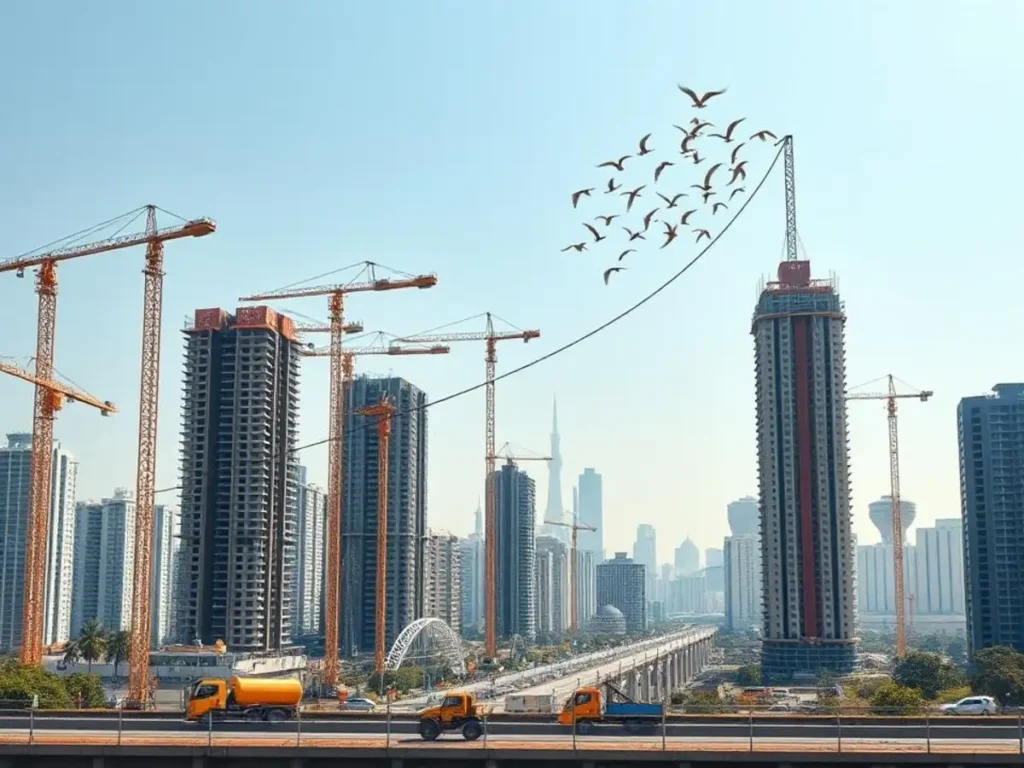
Rental demand in Dubai and Abu Dhabi continues to climb as new residents arrive and existing residents upgrade their living standards. High occupancy rates and rising rental yields create strong investor appetite for buying properties, which contributes to steady market activity.
Markets dominated by investors often face sudden corrections. The UAE’s shift toward end-user buyers—families and professionals purchasing homes to live in—creates a long-term foundation. End-users do not panic-sell, which prevents sudden drops in prices.
Banks in the UAE follow strict lending rules, ensuring borrowers have the financial capacity to maintain repayments. Unlike markets where easy credit leads to risky borrowing and sudden crashes, the UAE’s controlled mortgage environment protects both buyers and financial institutions.
Regulations require buyers to put down significant deposits, especially for investment properties. This prevents over-leveraging and ensures that those entering the market are financially stable. Such measures reduce the risk of distressed selling, which often triggers price crashes.
Dubai’s brand as a futuristic, safe, and luxurious destination is one of the strongest in the world. Tourism repeatedly hits record highs, foreign companies continue to set up regional headquarters, and the quality of life consistently ranks among the best globally.
This level of global visibility fuels continuous interest in real estate, supporting strong and stable pricing.
Unlike speculative markets that grow too fast and collapse quickly, the UAE’s current growth is steady, measured, and backed by economic fundamentals. Developers, investors, and policymakers have all shifted toward sustainability and long-term strategy. This reduces volatility and strengthens resilience.
The idea that UAE property prices might crash soon does not align with the realities on the ground. The country’s economic foundation, population growth, foreign investment, infrastructure development, and regulatory stability all work together to create a market built for long-term success.
In a world full of uncertainty, the UAE stands out as a rare example of consistent progress and well-managed growth. This is why buyers, investors, and residents continue to place their trust in the UAE real estate market—and why a sudden price crash remains highly unlikely.
If anything, the long-term outlook points to continued growth, stronger demand, and increasing global appeal.
Do Follow Estate Magazine on Instagram
Read More:- Why Eagle Heights in Dubai Sports City is a Smart Investment 2025