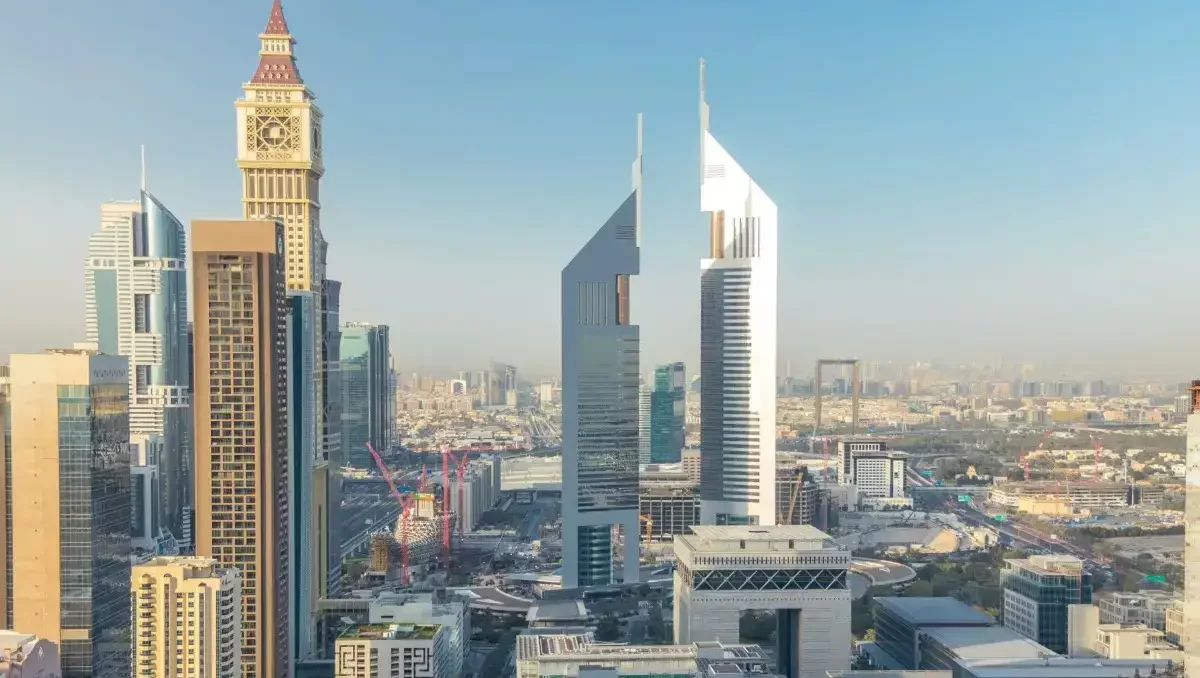
The United Arab Emirates (UAE) has built a global reputation for running one of the safest and most advanced aviation systems in the world. While many countries in the Middle East have invested heavily in aviation infrastructure, the UAE stands out for its rigorous safety standards, proactive regulations, and a culture of constant improvement. As a result, travelers, airlines, and global aviation bodies often look to the UAE as a gold standard in regional aviation safety.
This article explores the reasons why UAE aviation safety standards consistently lead the region, and what makes its approach a model for other countries to follow.

One of the biggest reasons the UAE leads in aviation safety is its strong, proactive regulatory oversight. The General Civil Aviation Authority (GCAA) plays a central role in enforcing international best practices. It regularly updates safety protocols in line with the International Civil Aviation Organization (ICAO) guidelines, ensuring the country remains ahead of global trends.
The GCAA conducts strict audits, inspections, and safety oversight programs, which keep both airports and airlines compliant with the highest standards. It also coordinates with the Emirates Authority for Standardization and Metrology (ESMA) to maintain technical excellence across the aviation sector.
The GCAA’s safety management system is proactive rather than reactive, identifying potential risks before they can affect passengers. This forward-looking strategy has helped prevent accidents and increased public confidence in the country’s airlines and airports.
The UAE is known for embracing new technology, and its aviation sector is no different. Airports like Dubai International (DXB) and Abu Dhabi International (AUH) use cutting-edge systems to improve safety. From biometric facial recognition for secure passenger identification to AI-powered air traffic control systems, technology is a powerful tool in the UAE’s safety arsenal.
Advanced runway safety systems, modern air traffic management, and predictive maintenance tools help minimize human error and mechanical failures. Additionally, Emirates and Etihad, the UAE’s flagship carriers, invest heavily in state-of-the-art aircraft equipped with the latest safety features, ensuring safer flights for millions of passengers every year.
Aviation safety depends not just on technology but on people. The UAE has invested heavily in training its aviation workforce. Pilots, air traffic controllers, maintenance engineers, and cabin crew undergo rigorous, internationally certified training. These programs often exceed ICAO minimum requirements, providing an extra layer of safety.
The UAE’s aviation academies are recognized globally, attracting students from across the region to learn best practices. As a result, Emirati and international professionals working in UAE aviation are among the most skilled and experienced in the Gulf.
Beyond systems and regulations, the UAE has worked to build a powerful safety culture across the industry. Safety is embedded into the mindset of employees at every level, from baggage handlers to senior executives. Regular safety drills, workshops, and reporting channels allow staff to raise concerns and share lessons learned, strengthening the entire aviation ecosystem.
This open and non-punitive reporting culture helps the UAE identify hidden hazards before they escalate into incidents. Employees are encouraged to speak up without fear of punishment, making safety everyone’s responsibility.
In case something does go wrong, the UAE’s emergency response systems are among the fastest and most efficient in the Middle East. Major airports regularly test their emergency readiness with live drills simulating crashes, fires, or security breaches. Coordination between airport police, fire services, medical teams, and air traffic control is seamless, ensuring a rapid, life-saving response to emergencies.
For example, Dubai Airport has one of the fastest aircraft rescue and firefighting response times in the world, meeting ICAO’s strict Category 10 response criteria. This means help is on the scene within minutes, greatly improving survival chances in case of an accident.
The UAE does not work in isolation. It partners closely with international aviation bodies, regional neighbors, and aircraft manufacturers to continuously update and improve safety practices. Whether through ICAO’s universal safety oversight audit program or bilateral agreements with countries like the USA and UK, the UAE keeps its aviation sector plugged into global best practices.
This collaboration also helps the UAE anticipate future safety challenges, such as cybersecurity threats to aviation or the integration of drones into national airspace.
None of these achievements would be possible without consistent, large-scale investment. The UAE has spent billions upgrading its airports, expanding runways, modernizing control towers, and maintaining fleets. These investments ensure not only comfort and efficiency but also the highest levels of safety for passengers and crews.
Even during economic slowdowns or global crises, the UAE has stayed committed to investing in its aviation safety systems. This long-term vision is one of the reasons its airports and airlines continue to outperform many regional peers.
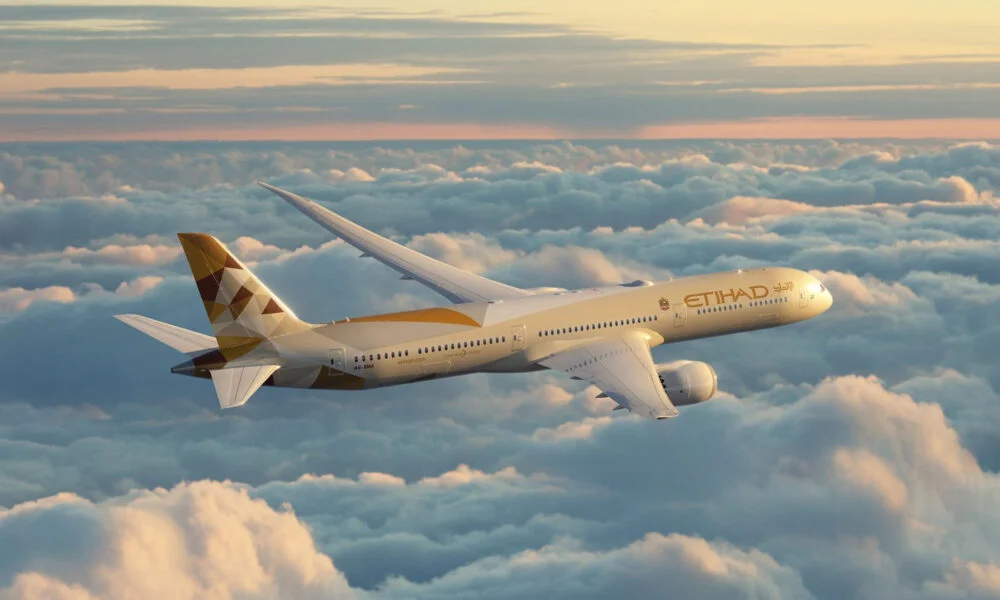
All of these efforts have paid off. UAE carriers such as Emirates, Etihad, and flydubai have maintained excellent safety records, with very few major incidents over decades of operation. The country’s airports handle hundreds of millions of passengers with minimal safety issues, winning international awards for safety performance year after year.
Travelers choosing to fly through the UAE can feel confident knowing that safety is prioritized at every step of the journey, from check-in to touchdown.
The UAE’s leadership in aviation safety standards is no accident. It is the result of a well-planned combination of strong regulation, advanced technology, highly trained staff, a proactive safety culture, rapid emergency readiness, international collaboration, and sustained investment.
As air travel continues to grow across the Middle East, the UAE’s safety model serves as an inspiration — and a reminder that putting safety first is not only possible but essential for long-term success. Other countries hoping to strengthen their aviation sectors can look to the UAE as a powerful example of what is possible when safety becomes a national priority.
Read More:- Deyaar’s Latest Announcement Shakes Up the UAE Property Market