
In today’s fast-paced world of logistics and distribution, location is everything. Businesses that rely on transportation and delivery networks understand the importance of being strategically situated near major highways. Whether it’s for e-commerce, retail, or industrial manufacturing, warehouses with easy access to major highways have become a vital part of modern business infrastructure.
The proximity to highways not only reduces transportation time but also boosts operational efficiency, ensuring that goods reach markets faster. For businesses aiming to enhance supply chain performance, reduce logistics costs, and maintain an edge in competitive markets, choosing a warehouse with highway access is a decision that can define long-term success.
The convenience of being close to a major highway goes far beyond simple road connectivity. It influences everything from operational costs to customer satisfaction.
1. Reduced Transit Time:
Every minute counts in logistics. Easy access to highways allows for smoother inbound and outbound deliveries, helping companies meet delivery commitments on time.
2. Lower Transportation Costs:
When vehicles spend less time navigating through city traffic or detours, fuel consumption decreases significantly. This reduction directly impacts logistics budgets and improves profit margins.
3. Improved Supply Chain Reliability:
Warehouses near highways experience fewer delays caused by traffic congestion or poor road conditions, making the supply chain more predictable and efficient.
4. Better Customer Satisfaction:
Faster and more reliable deliveries enhance customer trust. Whether it’s a B2B shipment or a retail order, timely fulfillment creates a stronger reputation in the market.
Businesses today are under constant pressure to deliver faster, cheaper, and more efficiently. The physical placement of a warehouse is no longer just about available space—it’s a strategic decision that affects every aspect of operations.
For instance, a warehouse near a major highway allows for quicker regional coverage. Retail chains can restock stores faster, e-commerce companies can reduce delivery times, and manufacturers can distribute raw materials and finished goods more efficiently.
Companies that operate in multiple regions also find that positioning warehouses near key interstates and expressways enables multi-directional logistics flow, ensuring access to multiple markets from a single distribution hub.

Let’s break down the specific advantages that businesses can enjoy when they select warehouse spaces close to highway networks.
1. Enhanced Distribution Efficiency
Highway access allows delivery trucks to enter and exit logistics routes swiftly, reducing bottlenecks and improving delivery schedules. This is particularly crucial for businesses operating on tight turnaround times, such as perishable goods or just-in-time manufacturing.
2. Cost-Effective Freight Management
Freight companies often charge based on distance, route accessibility, and time spent in transit. Warehouses that are strategically located can optimize trucking routes, reducing total mileage and associated costs.
3. Flexible Expansion Opportunities
Areas around major highways often have room for infrastructure growth. Companies planning to expand their storage or production facilities can easily scale operations without relocating to distant regions.
4. Attracting Skilled Workforce
Highway-accessible areas are generally well-connected to nearby towns and cities, making it easier for employees to commute. This accessibility improves staff retention and satisfaction.
5. Resilience in Logistics Operations
When unforeseen disruptions occur—like urban road closures or natural calamities—warehouses located near highways offer alternate route options, ensuring continuous movement of goods.
As e-commerce continues to dominate global markets, logistics parks and industrial hubs near highways have seen unprecedented growth. Developers and investors are focusing on building modern facilities that combine accessibility, technology, and sustainability.
Automation and Smart Logistics:
Modern warehouses near highways are being designed with integrated automation systems, enabling real-time tracking, automated sorting, and faster dispatch.
Green and Sustainable Design:
With environmental awareness rising, many highway-adjacent warehouses now feature solar panels, rainwater harvesting systems, and eco-friendly construction materials to minimize carbon footprints.
Multi-Modal Connectivity:
Many warehouses today are strategically positioned not just near highways but also close to airports, seaports, and railway terminals. This multi-modal access ensures seamless international and domestic distribution.
E-commerce Fulfillment Centers:
Companies like Amazon and logistics giants have established mega fulfillment centers along highways to ensure next-day or same-day delivery. These centers act as key nodes in the supply chain ecosystem.
An ideal warehouse location combines highway proximity with logistical advantages. For example:
Businesses can benefit from analyzing proximity maps showing driving times to major markets, fuel stations, and trucking rest stops. These small factors play a huge role in optimizing day-to-day operations.
Choosing the right warehouse involves evaluating several key aspects beyond just location.
1. Traffic Flow and Accessibility:
Check whether the warehouse location provides easy truck entry and exit routes and if there are restrictions on heavy vehicles during certain hours.
2. Infrastructure Quality:
The surrounding roads should be well-maintained to support heavy cargo trucks and avoid damage or delays.
3. Distance to Distribution Points:
Ensure that the warehouse connects conveniently to your target markets and major distribution centers.
4. Safety and Security:
Highway-proximate warehouses should have robust security measures since easy access can also attract unwanted attention.
5. Future Development Plans:
Look into upcoming infrastructure projects—new highways, flyovers, or logistics parks—that could enhance or limit accessibility in the long term.
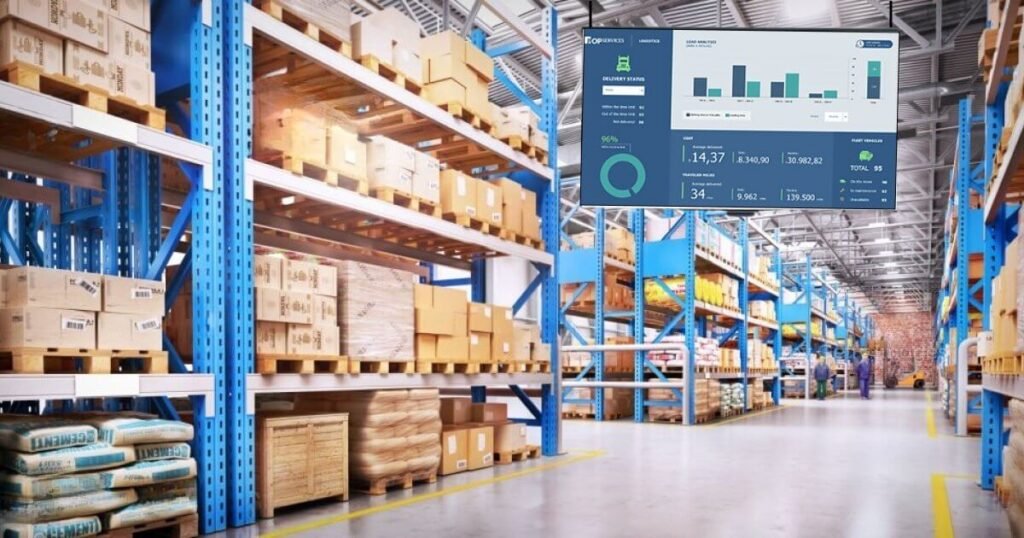
The growth of warehouses near major highways contributes significantly to regional economies. These developments create job opportunities, attract investment, and stimulate related industries such as trucking, packaging, and maintenance services.
From a business perspective, the economic ripple effect of such warehouses includes:
In many regions, governments are encouraging highway-centric industrial growth through tax incentives, improved infrastructure, and simplified licensing policies. This support is making it easier for companies to establish and operate warehouses strategically.
While the advantages are immense, operating warehouses near highways comes with certain challenges.
1. Noise and Pollution:
Heavy traffic may lead to increased noise levels and air pollution. Companies can mitigate this with green buffers, sound barriers, and eco-friendly truck fleets.
2. Land Cost Inflation:
As demand grows, property prices near highways can rise quickly. Businesses can offset this by choosing developing highway corridors instead of fully developed ones.
3. Maintenance Costs:
Constant truck movement may require frequent infrastructure maintenance. Investing in durable flooring and advanced material handling systems can reduce long-term costs.
4. Safety Risks:
Highways can pose safety risks for workers and vehicles. Implementing strict traffic management systems and regular training ensures a safe working environment.
The global logistics and warehousing industry is evolving rapidly. As companies aim to achieve faster fulfillment and higher customer satisfaction, warehouses with easy access to major highways will remain indispensable.
Future infrastructure investments are expected to focus on improving road connectivity and developing smart highway networks that enable seamless freight movement. The rise of electric vehicles and automated trucking will further enhance the efficiency of these locations.
For businesses looking to optimize their logistics network, choosing warehouses with easy access to major highways is more than just a convenience—it’s a competitive advantage. The right location can cut costs, reduce delivery times, and strengthen customer trust.
As industries continue to evolve and global trade intensifies, the role of strategically located warehouses will only grow in importance. For any company aiming for long-term success, highway-connected warehousing is the foundation of efficient, scalable, and sustainable operations.
Do Follow Estate Magazine on Instagram