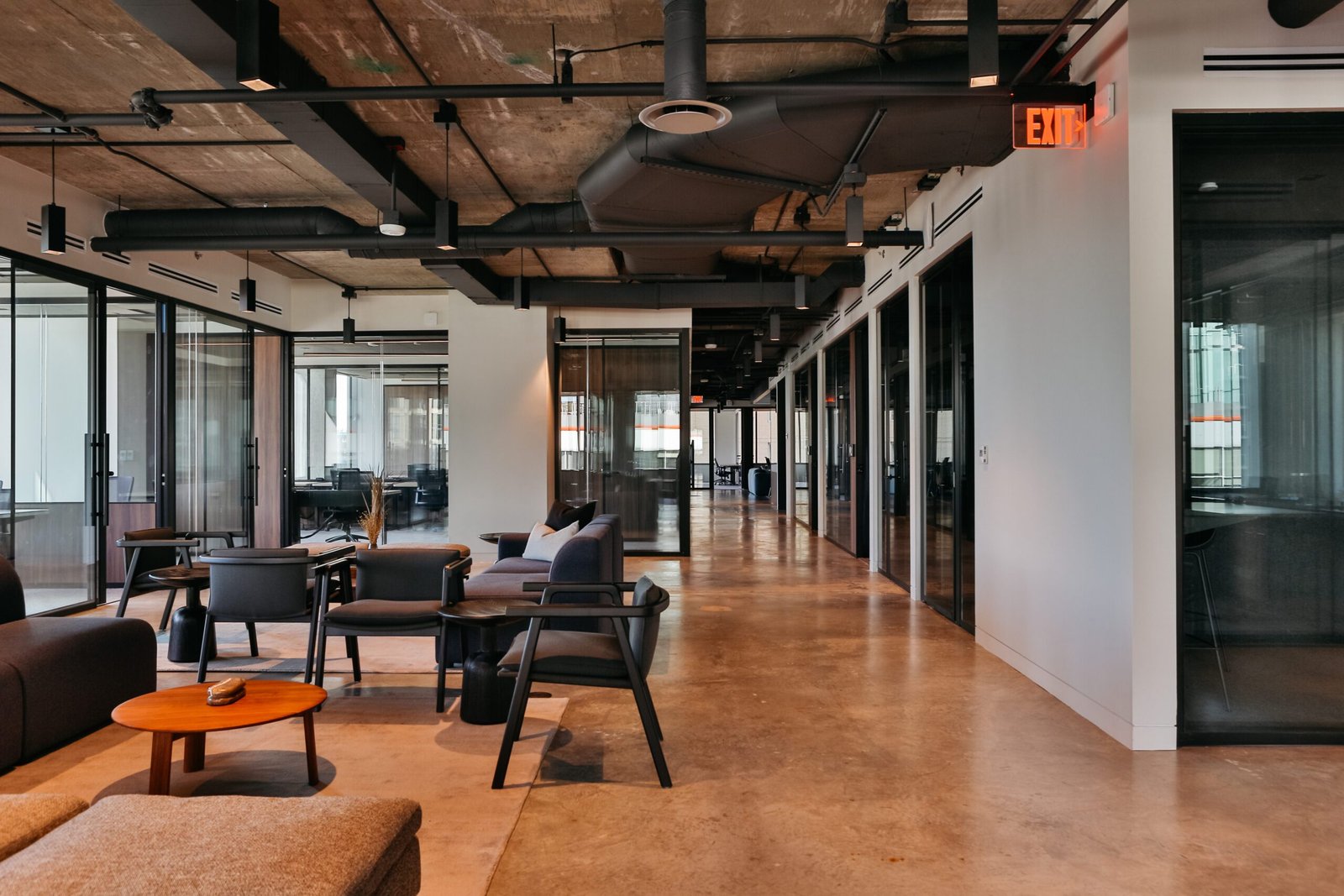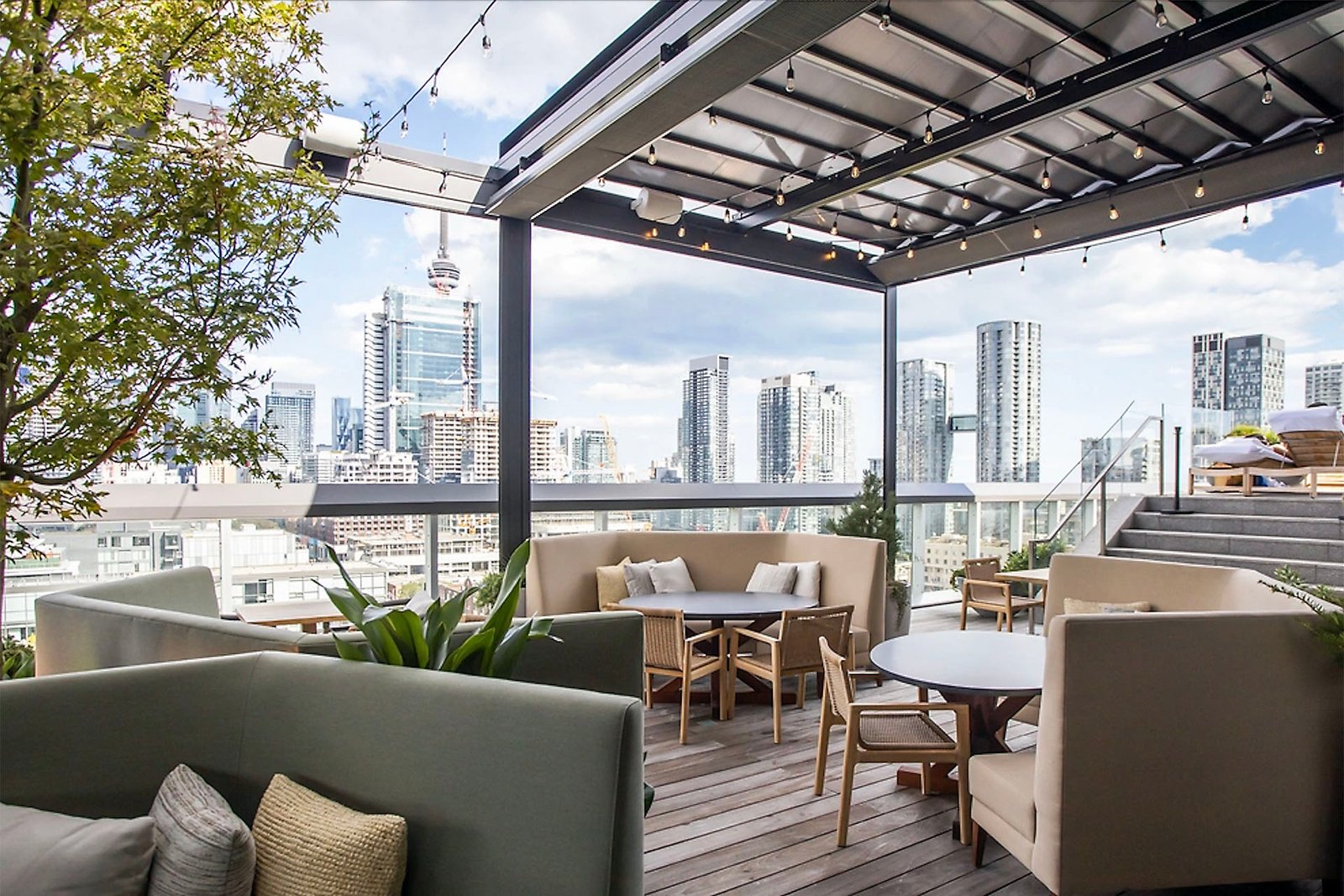
In today’s evolving commercial landscape, retail spaces are no longer just about shopping. Consumers now crave experiences — a combination of leisure, dining, and entertainment that turns every visit into an event. This shift has given rise to a powerful trend: retail spaces with rooftop amenities. From sky lounges and green terraces to rooftop restaurants and open-air cinemas, developers are transforming rooftops into vibrant social hubs that redefine the retail experience.
This evolution marks a significant departure from traditional malls and retail complexes. Where once the focus was on maximizing indoor square footage, the emphasis now lies in creating spaces that inspire engagement and relaxation. Rooftop amenities not only attract customers but also create an emotional connection with the brand or property.
Rooftops represent untapped potential in urban environments, especially in cities where space is at a premium. By utilizing the upper levels of buildings, developers can add value without expanding the footprint. But beyond practicality, rooftops offer something even more powerful — an elevated experience.
Imagine shopping for luxury goods, followed by a sunset dinner overlooking a city skyline, or attending a live concert under the stars after a day of retail therapy. This fusion of commerce and lifestyle transforms a simple shopping trip into a memorable event, giving visitors more reasons to return.
For retailers and landlords, this means higher footfall, longer dwell times, and increased revenue per visit. A rooftop becomes a statement — a symbol of innovation, sustainability, and modern urban living.
Consumers today want more than products; they want experiences that engage their senses and emotions. Rooftop amenities provide a platform for this. They can host pop-up events, yoga sessions, art exhibitions, and live music performances — creating a vibrant environment that draws people in.
By blending shopping with recreation, rooftop-enabled retail spaces align perfectly with modern lifestyle preferences. For example:
This multi-purpose functionality transforms retail properties into lifestyle destinations that appeal to a broad demographic, from millennials seeking experiences to families looking for entertainment.

There’s a psychological aspect to rooftop environments that developers are leveraging effectively. Open-air spaces naturally evoke feelings of freedom, relaxation, and exclusivity. Being above ground level provides a sense of escape from the urban bustle below — a mini-retreat in the heart of the city.
Moreover, people are drawn to elevated views. A rooftop terrace or bar offers a unique visual experience that few indoor spaces can match. This emotional pull creates powerful brand associations. Retailers and developers can capitalize on this by designing rooftops that align with their brand’s personality — whether it’s luxury, wellness, sustainability, or entertainment.
Rooftop amenities also play a crucial role in promoting sustainability. Many modern retail projects incorporate green roofs to reduce heat absorption, improve insulation, and promote biodiversity. Beyond the environmental benefits, this commitment to sustainability enhances brand perception and appeals to eco-conscious consumers.
Green rooftops can also lower operational costs. By reducing energy consumption and improving air quality, they contribute to a healthier shopping environment and a more sustainable urban ecosystem. Retail spaces that embrace such initiatives often gain a competitive edge by aligning with global sustainability goals.
Rooftop dining has become one of the most sought-after amenities in retail spaces. It offers visitors a chance to unwind and socialize in an inviting atmosphere, often paired with stunning views. Restaurants, bars, and cafés located on rooftops attract not only shoppers but also locals looking for a premium dining experience.
This dual-purpose attraction drives consistent traffic throughout the day and into the evening — extending the retail center’s operating hours and profitability. Many developers strategically integrate rooftop dining into their design to ensure a seamless transition from shopping to leisure.
From a developer’s perspective, rooftop amenities significantly boost tenant appeal. Retail brands are increasingly selective about where they establish their presence. A mall or complex offering unique rooftop features positions itself as a premium destination, thereby attracting high-end tenants and international brands.
Such environments also enhance the overall brand image of the property. A well-designed rooftop space can be a marketing asset in itself — featured in advertising campaigns, social media promotions, and influencer collaborations. This organic visibility drives both footfall and brand prestige.
While rooftop development involves additional investment, the returns often outweigh the costs. The added amenities create new revenue streams — from rooftop cafés and event bookings to exclusive membership experiences.
Moreover, rooftop spaces can command higher rents due to their uniqueness and demand. Retailers understand that a location with a rooftop dining option or panoramic view offers them greater visibility and customer engagement. For landlords, this translates into higher asset valuation and stronger tenant retention rates.
Integrating rooftop amenities requires architectural creativity. Developers must ensure that the design complements the retail space below while maintaining safety, accessibility, and comfort. Advances in lightweight materials, green roofing technology, and modular construction have made it easier to design rooftop features that are both aesthetic and functional.
Architects are increasingly experimenting with multifunctional rooftops — blending green areas with open-air retail pavilions, digital art installations, and recreational zones. The result is a seamless integration of commercial and leisure design that elevates the entire property’s appeal.

Beyond commerce, rooftops are emerging as social and cultural platforms. They foster community engagement through public events, markets, and live performances. By turning rooftops into gathering spots, retail spaces gain a human touch that traditional shopping centers often lack.
Such spaces become city landmarks, known not just for shopping but for experiences that bring people together. Whether it’s an outdoor cinema night, weekend farmer’s market, or art showcase, these activities reinforce the property’s connection with the local community.
Technology is taking rooftop amenities to the next level. Smart lighting, digital signage, interactive kiosks, and augmented reality experiences are transforming how visitors engage with retail rooftops. Data analytics help developers understand visitor patterns, optimize layouts, and personalize offerings.
In the future, we can expect more integration of renewable energy systems like solar panels and smart irrigation for rooftop gardens. These innovations not only improve efficiency but also enhance sustainability credentials, making retail spaces more attractive to investors and consumers alike.
Modern consumers no longer visit retail spaces solely for purchases. They come for the atmosphere, experiences, and social interactions that complement shopping. Rooftop amenities perfectly cater to this new definition of retail — a blend of entertainment, relaxation, and discovery.
By transforming rooftops into experiential zones, developers are tapping into the psychology of leisure and creating places where people genuinely want to spend time. This shift signifies a future where shopping centers evolve into lifestyle ecosystems, and rooftops become their crown jewels.
Retail spaces with rooftop amenities represent the next phase of experiential commerce. They redefine what it means to shop, dine, and socialize — offering an immersive, multi-sensory journey that appeals to today’s experience-driven generation.
As urban landscapes grow denser, rooftops will continue to serve as the perfect canvas for innovation. Developers who invest in rooftop amenities aren’t just enhancing their properties; they’re reshaping the way people experience retail altogether.
From boosting footfall and tenant value to fostering sustainability and community engagement, rooftop-enabled retail spaces are setting a new standard for commercial real estate — one where the sky is no longer the limit, but the beginning.
Do Follow Estate Magazine on Instagram